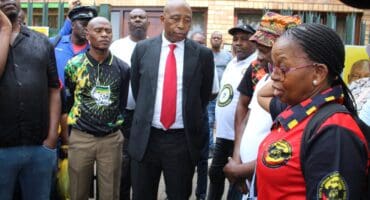
Provincial legislature visits flood damaged schools in Nkomazi
Mzinti Primary School was established in 1942 and Phambanisa Primary School was built in 1975.
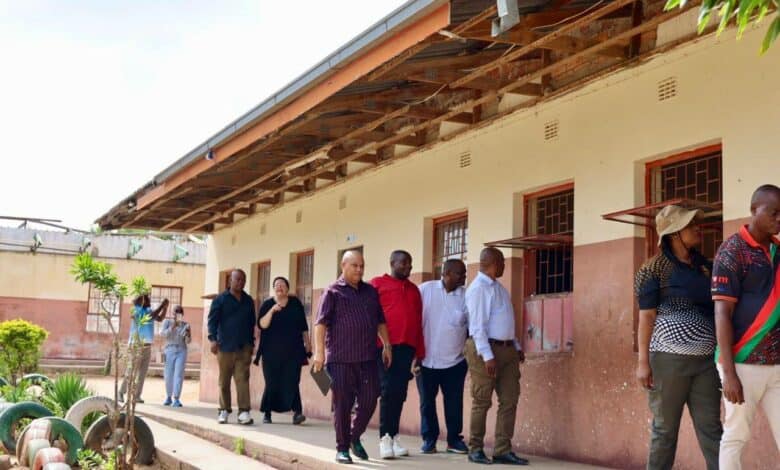
The Portfolio Committee on Education, together with members of the Mpumalanga Provincial Legislature, conducted an oversight visit to schools that were affected by the recent floods.
Led by the committee’s chairperson, Thulisile Khoza, the group visited Mzinti Primary School and Phambanisa Primary School on Friday, February 13.
The purpose of the visit was to assess the extent of damage caused by flooding and to receive progress updates from the Department of Education (DoE) regarding interventions to address the challenges faced by the affected schools.
ALSO READ: Ramaphosa set target to end load reduction by next year
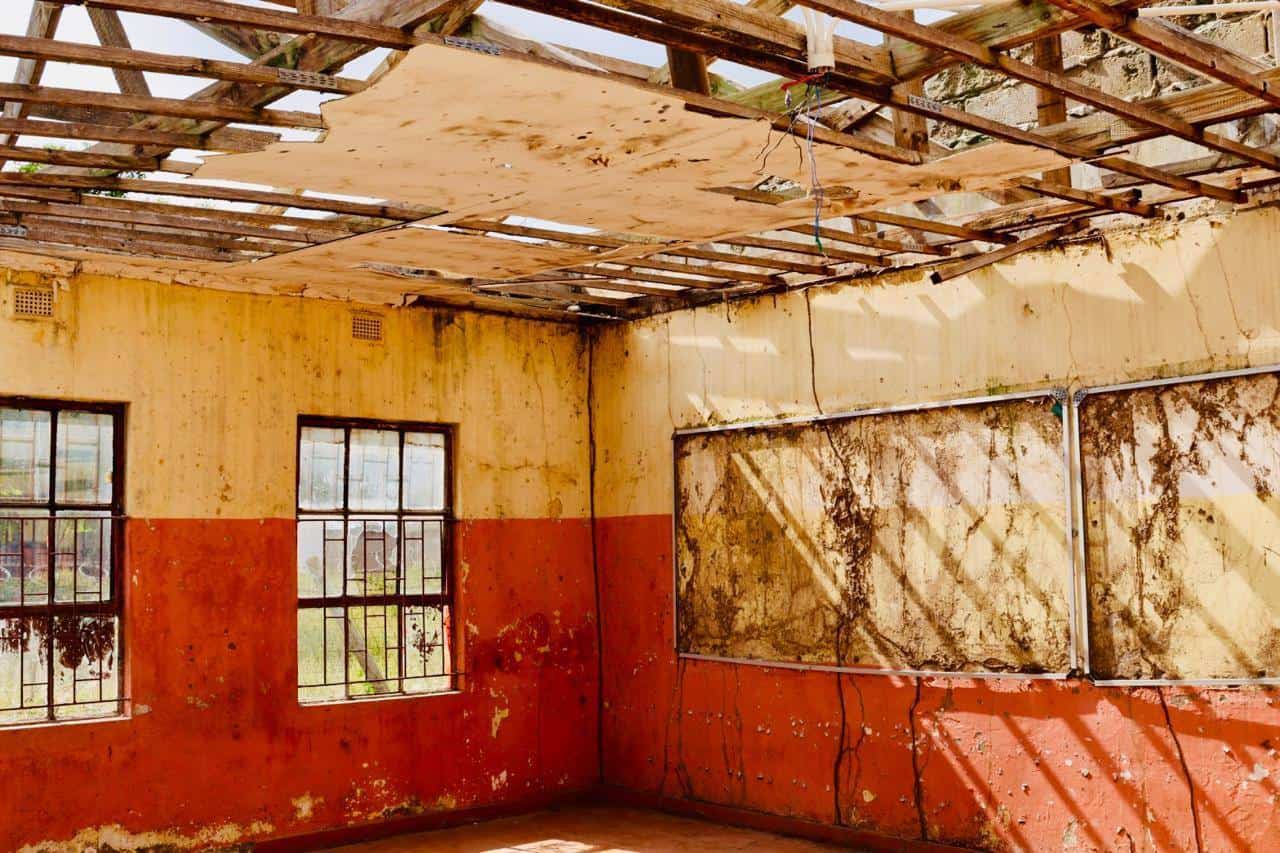
According to the provincial legislature, Mzinti Primary School, established in 1942, has an ageing facility with some structures originally built by community members. The school has 18 classrooms, several of which are unsafe and no longer suitable for use. The committee observed that a recent storm had blown off the roofs of four classrooms, resulting in severe overcrowding.
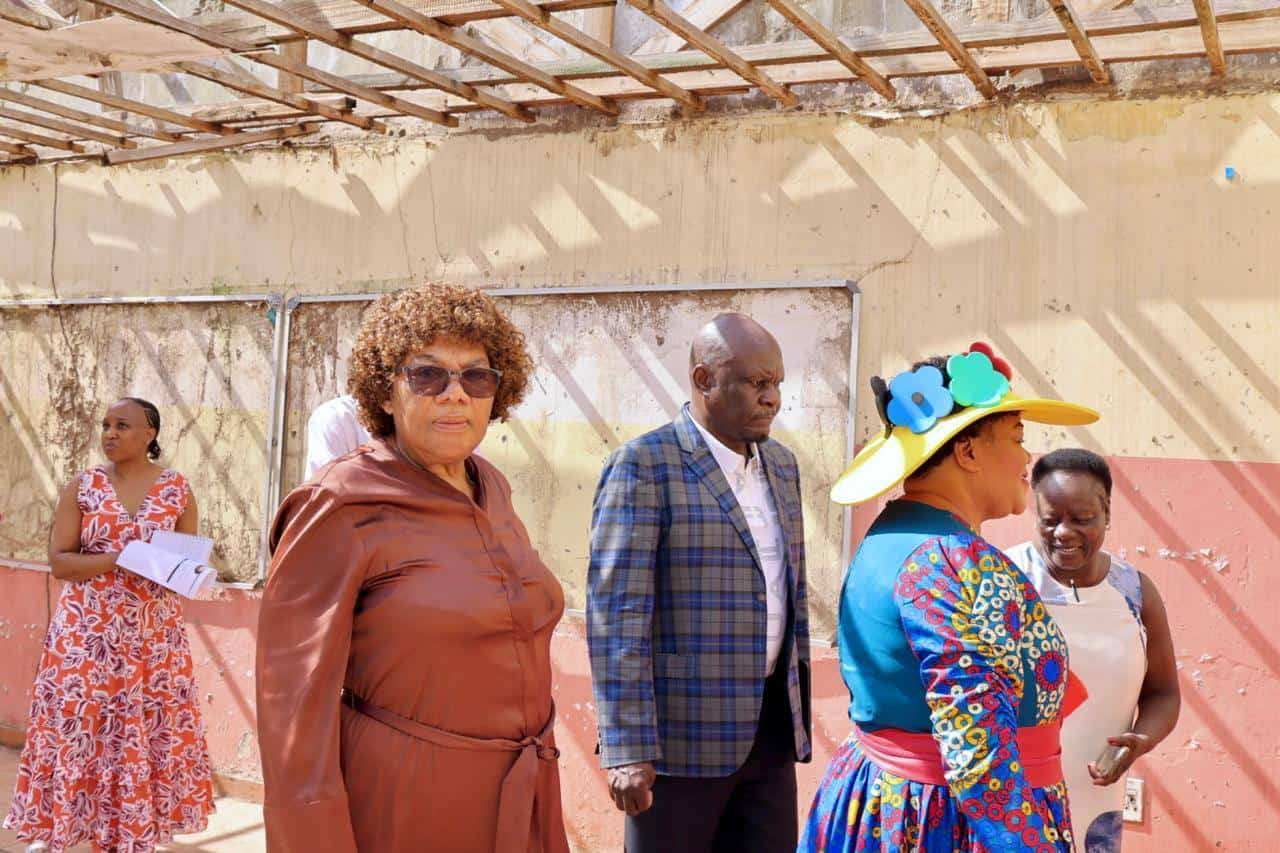
Although the DoE installed six mobile classrooms in November 2024, each accommodating 40 learners, the school currently has more than 80 learners per mobile classroom, with non-functional air-conditioning units. Additional challenges include a lack of ICT resources, incidents of crime and burglary, and insufficient furniture.
According to the provincial legislature, the committee noted with concern that the DoE did not provide a written damage assessment or progress report for Mzinti Primary School, despite it having been affected by floods since 2024. Members expressed dissatisfaction with this omission.
The SGB appealed to the DoE to demolish the unsafe structures and construct new, safe, and suitable buildings that would benefit both learners and the surrounding community.
Labour representatives indicated their distress over the prolonged situation, stating that since 2022 the school has remained unsafe for both educators and learners. They emphasised the need for urgent intervention by the DoE to improve teaching conditions and learner performance.
Representatives of the National Treasury advised that a full infrastructure assessment be conducted, followed by a report to the Department of Public Works, Roads and Transport. The Auditor-General further raised concerns regarding whether conditional assessments had been conducted.
ALSO READ: Elderly couple and alleged accomplice appear in Nelspruit Magistrate’s Court on fraud charges
The second school visited was Phambanisa Primary School, where the delegation again carried out an in loco inspection.
The DoE reported that the school had been assessed after the floods and that mobile classrooms were promised as part of planned interventions. The floods caused damage to several classrooms, the roof structure, and the school kitchen, while access to the school and toilet facilities becomes severely restricted during rainy conditions.
The principal of Phambanisa Primary School indicated that the school, which was built by the community in 1975, before government intervention, faces significant infrastructure challenges.
The water supply is unreliable, the school lacks a proper kitchen, has poor access roads, and becomes inaccessible during rainy weather.
The school currently accommodates 1 373 learners. The SGB raised serious concerns, citing significant safety risks, overcrowded classrooms, staff shortages, the absence of administrative officers, insufficient classroom space, and inadequate sanitation facilities.
Public works officials indicated that a comprehensive report would be compiled once recommendations are received from the DoE. Treasury officials also commented on the poor condition of the school, suggesting that the construction of a new school should be considered. Khoza requested that the DoE submit a written response regarding the situation at these two schools by Friday.