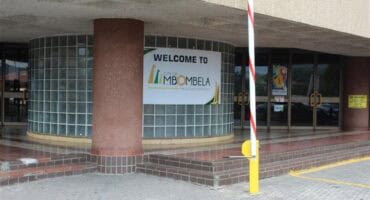
University of Mpumalanga hosts 31st annual Amesa national congress
Language barriers and teaching innovation discussed as educators gather in Mbombela to reshape mathematics teaching in South African schools.
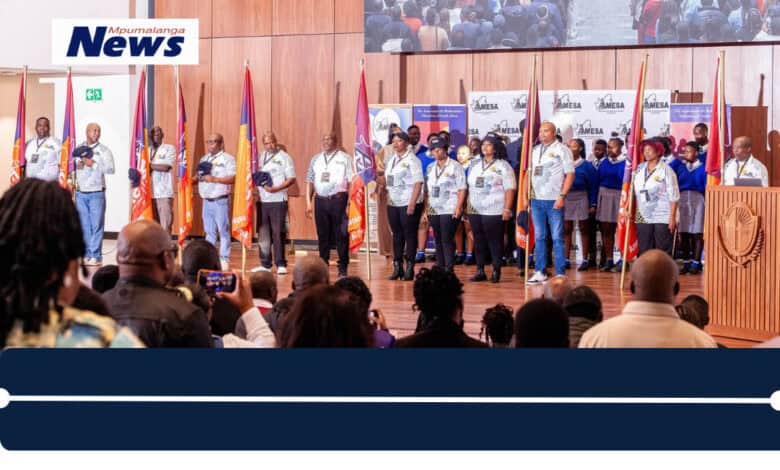
More than 1 500 education experts and researchers gathered in Mbombela for the 31st annual national congress of the Association for Mathematics Education of South Africa (Amesa).
Hosted at the University of Mpumalanga from July 13 to 17, the five-day event brought together leading local and international academics, curriculum specialists, policymakers and representatives of educational organisations to address critical teaching challenges.

The congress was held under the theme ‘Breaking Barriers Through Innovation Towards Vision 2030 and Beyond’, positioning mathematics education as a key driver of innovation, national development and future competitiveness. The head of the School of Computing and Mathematical Sciences, Prof Ntombovuyo Wayi-Mgwebi, focused on the importance of mathematics in shaping South Africa’s future.
“Mathematics is the language of science, technology, engineering and economic development,” said Wayi-Mgwebi. “Strengthening mathematics education is not merely an educational imperative but a national priority.”
Language barrier affects learner performance
Mpumalanga MEC for education Lindi Masina highlighted the province’s commitment to improving mathematics education. “Mathematics, science and technology remain central to South Africa’s future growth and global competitiveness. Let us exchange ideas, share best practices and shape the future of mathematics education together,” said Masina.
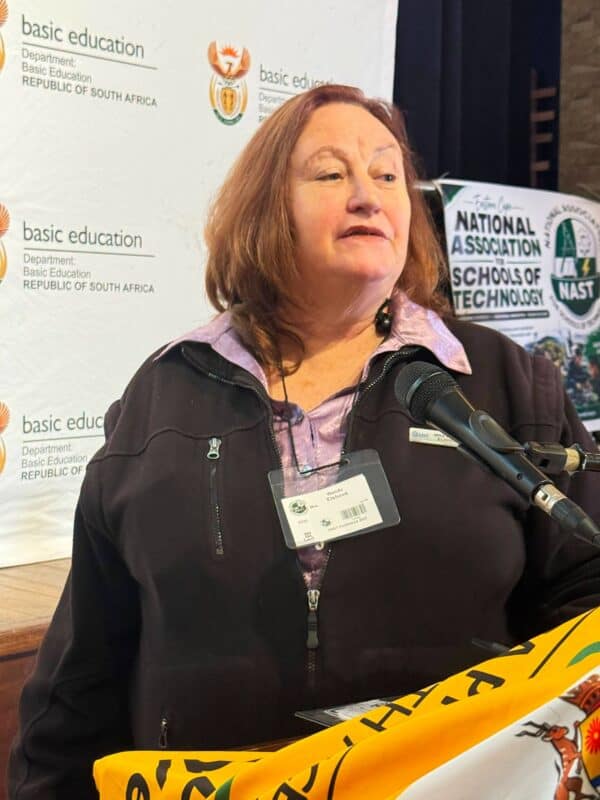
She called on delegates to place the issue of language at the centre of efforts to improve mathematics, saying meaningful progress in mathematics education requires improved teaching methodologies. Masina said many learners are taught and assessed in a language that is not their mother tongue, creating an additional cognitive barrier that affects conceptual understanding, confidence and ultimately academic performance.
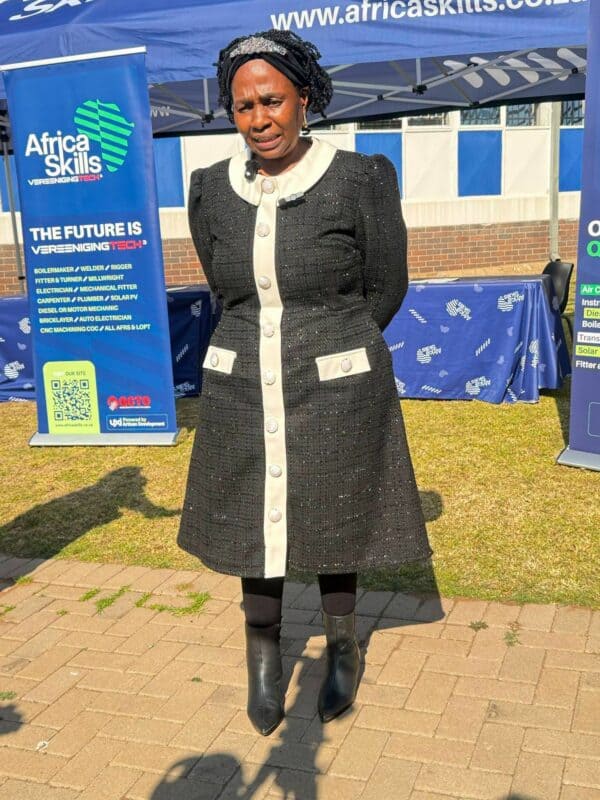
The MEC urged mathematics education experts, researchers and practitioners to use the congress as a platform to develop practical, research-informed solutions that integrate language into the teaching of mathematics while advancing mother-tongue-based bilingual education. “If we are to improve mathematics outcomes, we must teach not only the content, but teach it in a way that every learner can fully understand, engage with and apply,” said Masina.
Strategy targets early numeracy
Masina also outlined the province’s comprehensive strategy aimed at producing learners who are confident, competent and globally competitive in mathematics. The strategy focuses on strengthening foundational numeracy from the early grades and increasing learner participation in mathematics beyond Grade Nine.
Masina said the upward trend demonstrates that sustained investment, strong partnerships and focused interventions can significantly improve learner performance. She encouraged delegates from across South Africa and abroad to collaborate boldly, share innovative practices and develop practical solutions that will make mathematics more accessible, inclusive and meaningful for every learner.