
Mbombela hosts 2nd National Labour Relations Conference
Government leaders emphasise worker rights and the need to review disciplinary codes during a three-day gathering at The Capital Hotel.
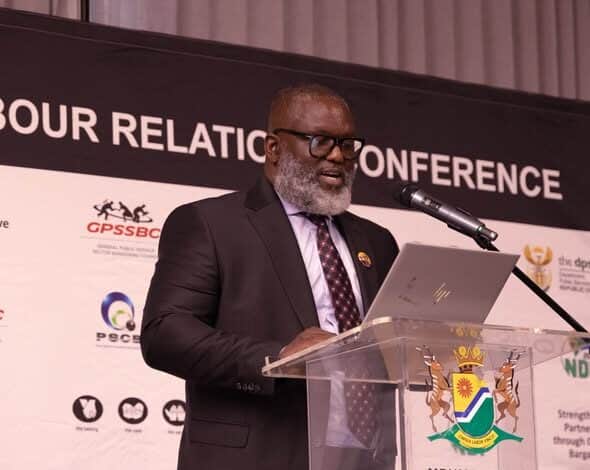
The second National Labour Relations Conference took place at The Capital Hotel in Mbombela.
Various issues were discussed during this three-day conference, which started on September 16 and ended on September 18.
The conference provides a platform to strengthen labour relations, deepen collaboration and build the capabilities required for a professional, effective and developmental public service.
It was held under the theme ‘Building Labour Relations capacity and capabilities for the realisation of South Africa’s developmental state’.
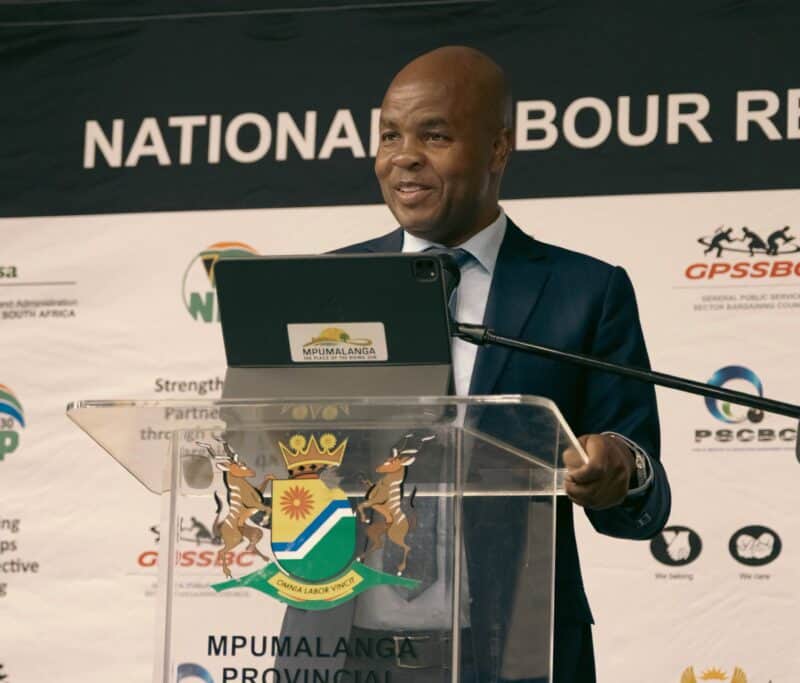
Ndlovu emphasises worker rights and fairness
The premier of Mpumalanga, Mandla Ndlovu, said the conference is far more than an item on the administrative calendar; it represents a decisive reaffirmation of the collective baseline to uphold fairness, human dignity and social justice within the public service value chain.
ALSO READ: Nkomazi hosts 5th Provincial Tourism Careers Expo in Schoemansdal
According to him, South Africa’s democratic breakthrough was forged in the crucible of the workers’ struggle. From the shop floor to the modern public service, organised labour remains the heartbeat of our nation’s social and economic progress.
“Our Constitution guarantees the rights of both workers and employers, recognising the need to create a fair and balanced labour relations environment,” said Ndlovu.
“However, it places particular emphasis on protecting workers from the potential abuse of power by employers, especially where there are inadequate checks and balances.”
Ndlovu said the labour relations system must promote fairness, dignity, equality and a balance of power between employers and employees.
Buthelezi calls for review of disciplinary processes
In his address, the minister of public service and administration, Inkosi Mzamo Buthelezi, said: “We must begin by professionalising labour relations and building real state capacity, which means this conference must deliberate honestly on the emerging phenomenon of juniorisation among practitioners.”
Buthelezi said the government must strengthen ethical governance and discipline because, while the commitment to fight corruption rightly calls for high-level investigations, the capacity of the state to manage everyday disciplinary cases is being severely tested.
ALSO READ: Mpumalanga social cluster marks International Literacy Day in Mphatseni
He said as long as departments continue to employ costly external role-players, they will keep seeing long delays and undesirable outcomes, which is why they must review the Disciplinary Code to improve how they enforce discipline and drive real culture change.
Buthelezi said throughout the journey of life, a public servant is always alongside.
“When that child needs education, it is a teacher,” he said. “When that family needs protection, it is a police officer. When they need care, it is a social worker. When they need water, electricity and services, it is a municipal worker.”
Buthelezi said if the government truly wants a public service that cares for its people, it must first be a state that cares for its public servants, even in their moment of failure, and especially in their moment of failure.