Speed Mashilo urges Mpumalanga to embrace cremation as burial space runs out
Rising pressure on local cemeteries like KaSbhula highlights the urgent need for sustainable land governance across rural areas.
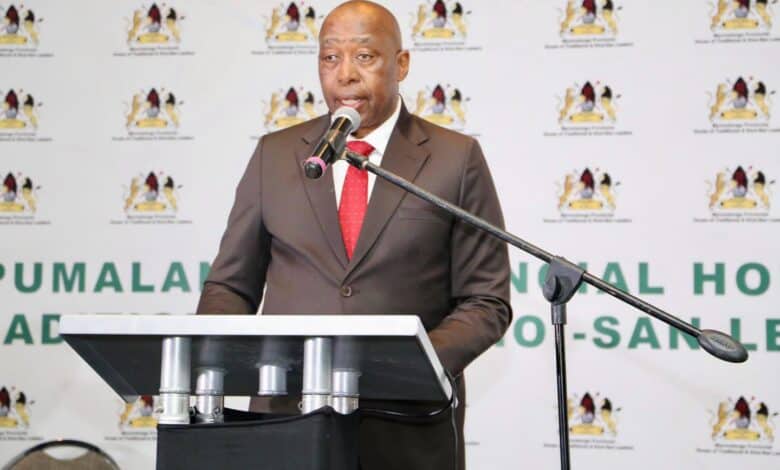
Communities across Mpumalanga must reconsider traditional burial practices and embrace cremation, as no additional land will be made available by traditional leaders for new graveyards.
This decisive stance was made clear by the MEC for co-operative governance, human settlements and traditional affairs, Speed Mashilo, during the two-day Traditional Leadership Indaba held at the Emnotweni Arena on September 15 and 16.
Mashilo was responding to pressing concerns over whether Amakhosi could allocate more land closer to rural communities, sparing them long-distance travel to further regional burial sites.
His call comes at a critical time when local burial grounds are reaching breaking point. Earlier this year, Mpumalanga News reported on severe capacity constraints at KaSbhula Cemetery in Mahushu, near Hazyview, as well as similar spatial challenges in Phola.
At KaSbhula, a lack of space has forced families to dig graves close to the busy R538 regional road. The crisis left bereaved families facing safety hazards along the roadside, while the imminent closure of these local sites threatens to force residents to travel to further municipal or regional facilities such as Rocky Drift in White River or Nkambeni in KaMajika.
MEC calls for shift toward cremation
While traditional leaders – including Congress of Traditional Leaders of South Africa (Contralesa) President Kgoshi Mathupa Mokoena – have previously emphasised the need to assist poor communities who cannot afford travel costs, Mashilo stressed that opening up further land for traditional ground burials is no longer a viable long-term solution. Instead, a shift in mindset toward cremations and sustainable land use is required.
Burial land constraints were framed as part of a broader challenge discussed at the indaba: Orderly spatial planning and land governance across tribal and rural areas.
ALSO READ: Nkomazi hosts 5th Provincial Tourism Careers Expo in Schoemansdal
Leaders urged to discourage illegal land invasion
Mashilo also issued a strong plea to traditional leaders to firmly discourage illegal land invasion and avoid legitimising unlawful occupations within their territories.
“Illegal occupation of land does not only undermine orderly development, but also fuels conflict, exposes vulnerable communities to exploitation, and disrupts government’s ability to plan for essential services such as roads, water, sanitation, electricity, schools, and clinics,” said Mashilo.
He called for tighter collaboration between Amakhosi and local municipalities to ensure that housing and community developments take place only on properly identified, assessed, and planned land with full infrastructure support.
The two-day indaba brought together traditional leaders, municipal authorities, and provincial government representatives to review progress, tackle service delivery hurdles, and define the governance role of traditional authorities.
Mokoena noted that while partnerships are improving, some municipalities still fall short in involving Amakhosi in local developmental projects.
ALSO READ: Mpumalanga launches real estate learnership for 200 youth in Steve Tshwete
Driving rural economic development
Addressing the economic potential of rural areas, the MEC for economic development and tourism, Jesta Sidell, underscored the vital strategic role of traditional leadership in driving local growth.
“Traditional leadership has a vital role to play in economic development by facilitating access to land, supporting investment, promoting local businesses, promoting cultural heritage, empowering young people, and strengthening partnerships,” she said.
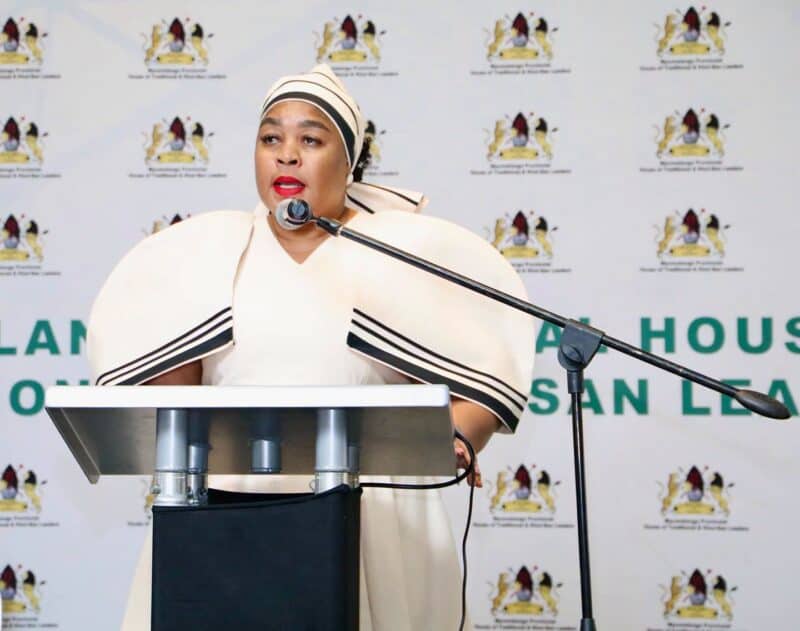
“We recognise traditional leadership as a strategic partner in building inclusive, sustainable, and locally driven economic development. Through our public entities such as Mpumalanga Economic Growth Agency and Mpumalanga Tourism and Parks Agency, we remain committed to working with traditional leadership and the private sector to develop rural economies and create jobs for our people.”
The indaba concluded with a shared commitment from all stakeholders to strengthen municipal-traditional co-operation, protect state and communal land from unplanned encroachments, and ensure sustainable development across rural Mpumalanga.