
Mother’s fight over unpaid maintenance gives a voice to thousands
As South Africa marks Women’s Month, a Cape Town mother’s battle to secure child maintenance for her disabled son has become a movement supporting 94 800 parents battling the same broken system.
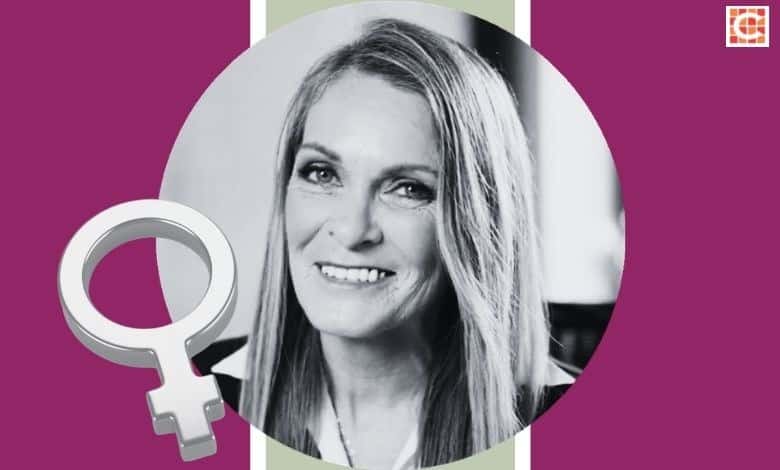
When Cape Town mother of five Felicity Guest drove away from Camphill Village in 2014, she did something no parent should ever have to do.
In the rear-view mirror, she watched her son Dylan running after her car, pleading, “Me stay with Mom.”
She kept driving.
“I knew if I stopped, I would take him home,” she recalls.
More than a decade later, that memory still haunts her.
Dylan has Lennox-Gastaut syndrome, a severe form of childhood epilepsy that left him with the intellectual capacity of a young child. After years of caring for him around the clock, Felicity made the heartbreaking decision to move him to Camphill Village. In this residential community, located near Cape Town, adults with intellectual disabilities can live safely and independently under supervision.
But securing Dylan’s future has depended on something that should never be uncertain – child maintenance.
For 15 years, Felicity has been locked in a relentless battle to recover maintenance owed for Dylan’s care. The arrears now stand at nearly R400 000. Three years ago, she received a devastating call informing her that Dylan would have to leave the only home he had known for almost a decade because his fees had gone unpaid.
“I don’t have the option of giving up,” she says. “The maintenance is Dylan’s security at the farm. To keep Dylan safe, I have to keep fighting.”
The high cost of unpaid maintenance
Her story is deeply personal, but it is far from unique.
Every day, thousands of women across South Africa walk into maintenance courts hoping to secure the financial support their children are legally entitled to. Many leave frustrated after months, or even years, of delays while carrying the emotional, physical and financial burden of raising children alone.
For Felicity, unpaid maintenance is not simply about money.
“It is perpetuating domestic violence, inequality and injustice,” she says. “The system is failing to protect the most vulnerable members of society and is violating children’s Constitutional rights.”
The fight has cost her dearly. Following her divorce, she and her children were evicted from their home. Years spent navigating the justice system have drained her finances and placed enormous strain on her family. Today, it is her daughters who help pay Dylan’s care fees to ensure he remains at Camphill.
Yet instead of allowing her experience to silence her, she transformed it into a movement.
After another exhausting day in the maintenance court in 2014, she founded the Facebook support group Child Maintenance Difficulties in South Africa. What began as a place for parents to share their experiences has grown into a community of 94 800 members, giving a voice to mothers and caregivers who often feel invisible.
“I didn’t have anybody,” she says. “I know how difficult it is. I have the ability to amplify their voices and experiences.”
A problem that affects every community
Over the past 12 years, she has heard thousands of stories – different races, different cultures and different income groups, but the same heartbreak.
“There is no discrimination when it comes to maintenance,” she says. “Women, in the majority, carry the financial and care responsibility, making them vulnerable to abuse, poverty and inequality.”
As South Africa commemorates Women’s Month and honours the women who marched against injustice in 1956, Felicity believes their fight is not confined to history.
“They marched for justice and equality,” she says. “Maintenance is more than just financial support for children. It is about equality, economic justice and children’s rights.”
She believes the conversation around maintenance has for too long been reduced to a dispute between former partners, when in reality it is a child protection issue.
“When maintenance isn’t paid, it is children who go without. It is mothers who are forced to shoulder impossible burdens. It pushes families deeper into poverty and leaves women economically trapped.”
Despite years of advocacy, there are days when she wonders whether enough has changed. But whenever exhaustion threatens to overwhelm her, she allows herself to rest before continuing.
A fight for accountability
“Often the trigger is another mother who has been abused by the system,” she says. “Anger, when channelled properly, is a powerful emotion to fuel action.”
Her message to women facing the same battle is one of quiet resilience.
“Don’t give up. Rest if you have to and pick up arms again, because if we don’t, we continue to normalise men not being held accountable.”
Everything she has done, she says, began with a promise to her son. “I promised him I would always look after him.”
Today, that promise extends far beyond Dylan.
“If one day a mother can walk into a maintenance court and be treated with dignity, if children receive the support they are entitled to without years of litigation and if maintenance is recognised for what it truly is, child protection and women’s economic safety, then I will know this fight was worth it.”
Breaking news at your fingertips… Follow Caxton Network News on Facebook and join our WhatsApp channel.
Nuus wat saakmaak. Volg Caxton Netwerk-nuus op Facebook en sluit aan by ons WhatsApp-kanaal.
Read original story on www.citizen.co.za

