
N1 road-spiking attack: Pretoria drivers warned not to stop
Security experts and anti-crime activists warn motorists to keep driving to a safe location if they hit suspicious objects on isolated stretches of highway.
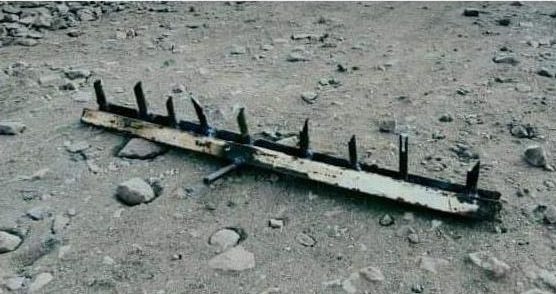
Three motorists were left injured after falling victim to a road-spiking attack on the N1 North near the Wallmannsthal off-ramp in Pretoria in the early hours of Sunday, (August 23), reports Pretoria Rekord.
According to information shared by anti-crime activist Yusuf Abramjee, the motorists drove over spikes deliberately placed on the road.
The victims reportedly stopped to inspect their vehicle after driving over the spikes.
It was then that suspects allegedly emerged, attacked and overpowered them.
The motorists sustained minor injuries during the incident.
Towing services and Bakwena patrol teams responded to the incident. The perpetrators reportedly fled, and no arrests had been made at the time the information was released.
Police could not yet confirm the incident or provide more information.
The latest incident once again highlights the danger of stopping immediately after driving over spikes or suspicious objects on highways.
Wallmannsthal and stretches of the N1 north of Pretoria have featured repeatedly in warnings about road-spiking attacks.
Rekord has over the years reported on numerous incidents in which criminals deliberately place spikes, rocks or other objects in the road to damage vehicles and force motorists to stop.
The modus operandi is intended to leave motorists vulnerable once they pull over to inspect the damage.
Security specialist Mike Bolhuis has previously warned that criminals use sharp objects on highways and other major routes to turn off vehicles before ambushing their occupants.
According to Bolhuis, incidents are frequently reported on major routes in and around Gauteng, with criminals targeting motorists for robbery and, in some cases, assault.
The problem has become persistent enough that authorities have previously increased patrols and law-enforcement visibility on sections of the N1 after spikes in incidents.
In December 2024, government news agency SAnews reported that police and traffic authorities had stepped up efforts to combat spiking following a surge in incidents on the N1.
Earlier this year, the Motor Industry Staff Association (MISA) again raised the alarm over road-spiking incidents in Gauteng after several vehicles were damaged during another incident.
MISA warned in March that the incidents were increasingly putting motorists and workers who travel outside conventional working hours at risk.
AfriForum’s Community Safety division has also warned that although spiking attempts can occur at any time, criminals often strike after dark, when objects placed in the roadway are harder to see.
According to the organisation, criminals commonly use homemade spikes made from nails and wood, large rocks and other objects to damage tyres.
The intention is to force the driver to pull over, giving criminals an opportunity to attack.
Motorists are therefore strongly advised not to stop at the scene after driving over a spike.
Where it is safe and possible, motorists should continue driving away from the area, even if this causes further damage to a tyre or rim, and stop only once they reach a safer, well-lit location such as a filling station, toll plaza or police station.
Drivers travelling at night should stay particularly vigilant for unusual objects lying in the roadway and maintain enough following distance to react if vehicles ahead suddenly swerve or brake.
Motorists should also avoid getting out of their vehicles on isolated stretches of road to inspect damage.
Sunday’s attack serves as another warning of why motorists should prioritise getting to safety rather than stopping to assess a damaged vehicle.
The suspects involved in the latest reported N1 attack remained at large at the time of publication.
Breaking news at your fingertips… Follow Caxton Network News on Facebook and join our WhatsApp channel.
Nuus wat saakmaak. Volg Caxton Netwerk-nuus op Facebook en sluit aan by ons WhatsApp-kanaal.
Read original story on www.citizen.co.za

