Why peptides are more than a skincare trend
From supporting collagen, to calming irritation and helping the skin retain moisture – peptides can do all this and more when used correctly.
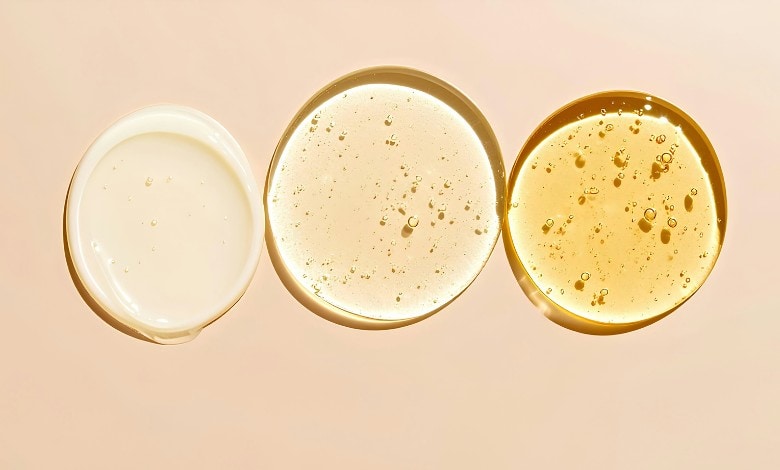
Smoother, plumper, healthier-looking skin? Yes please! Meet peptides – the skincare ingredient getting plenty of attention…and for good reason. Here’s why it’s so popular.
- What are peptides?
Amino acids link together to form peptides, and peptides build into the larger proteins your skin depends on, including collagen and elastin, the proteins that keep skin firm and bouncy.
What makes peptides so useful in skin care is their size. They’re small enough to absorb easily, where they act as messengers, signaling your skin to carry out specific tasks. Different peptides carry different messages: some tell skin to support collagen, some help calm the look of irritation, others help skin hold onto hydration. That targeted “tell your skin what to do” quality is exactly why skin therapists value them.
- The science: how peptides talk to your skin
Deep in your skin sit fibroblasts, the cells responsible for producing collagen and elastin. As skin ages, and under stress from UV and pollution, those cells slow down and existing collagen breaks down faster than it’s replaced. Signal peptides act a little like a knock on the door: they prompt fibroblasts to keep doing their job, helping support the look of firmness and bounce. Other peptides play defense, working as antioxidants that help protect those structural proteins from everyday damage.
It’s also worth knowing that peptides are among the more thoroughly studied active ingredients in skin care, with years of research behind the category. That track record is part of why skin therapists reach for them rather than chasing every new trend.
- The main types of peptides
Not all peptides do the same job. Skin therapists generally group them into a few families:
- Signal peptides encourage skin’s natural collagen and elastin processes, helping support the look of firmness.
- Carrier peptides deliver trace minerals (copper peptides are the best-known example) to support skin’s enzymatic and repair processes.
- Neurotransmitter-inhibiting peptides help soften the appearance of expression lines.
- Antioxidant peptides help defend skin proteins against everyday environmental stress.
How to spot peptides on a label: on an ingredients (INCI) list, peptides usually carry the word “peptide” in the name, often with a prefix like “palmitoyl,” for example Palmitoyl Tripeptide-1 or Tetrapeptide-7.
- What about copper peptides?
You may have seen copper peptides (often listed as GHK-Cu) trending especially fast. They’re a carrier peptide studied for repair and renewal. The science is genuinely promising, but as the educators at the International Dermal Institute point out, much of it is still small-scale rather than large clinical trials, and raw copper peptides can be fussy to pair with strong actives like vitamin C. In short: copper peptides are interesting and worth watching, but “trending” isn’t the same as “proven.”
- How to add peptides to your regimen
Apply a peptide serum or treatment to clean skin before your moisturizer, morning and/or evening. They layer well with most ingredients, so they slot neatly into a routine you already love. The one non-negotiable: finish every morning with broad-spectrum SPF. It’s the single most effective habit for supporting long-term skin health.
Content by dermalogica.
For more on healthy and beauty, visit Get It Magazine.