Every hour, ten people suffer a stroke in South Africa. The good news is 80% of heart disease and strokes can be prevented, according to the Heart and Stroke Foundation South Africa. It all starts with educating yourself and knowing your numbers. Let’s get started.
What is a stroke?
A stroke is a disease that is caused by damage to the blood vessels in the brain. It occurs when a blood vessel becomes blocked (known as an ischaemic stroke) or burst, causing bleeding into the brain (known as a haemorrhagic stroke).
Why is a stroke so dangerous?
A blood clot or bleeding in the brain disrupts its blood supply. Because the affected part of the brain is unable to receive the oxygen and nutrients it needs, the cells start dying, which can lead to permanent brain damage and even death.
What are typical warning signs?
- Sudden paralysis or loss of sensation down one side of the face or body – one arm may not be able to lift or one side of the face may droop.
- A sudden, severe headache, which may be followed by a loss of consciousness, can be signs of a haemorrhagic stroke. Headache can be accompanied by vomiting.
- Difficulty speaking, slurring words or problems with understanding.
- Blurred vision, seeing double, loss of vision or suddenly dim vision (particularly in one eye).
- Loss of coordination and difficulty walking and balancing.
If you notice any of the above symptoms, seek medical help immediately, as these signs should be treated as an emergency.
How can a stroke be prevented?
Managing risk factors involves a series of steps, including lifestyle changes such as quitting smoking, limiting alcohol intake, eating healthily and exercising regularly, as well as frequent health checks. The first step is knowing your numbers by going for the following checks:
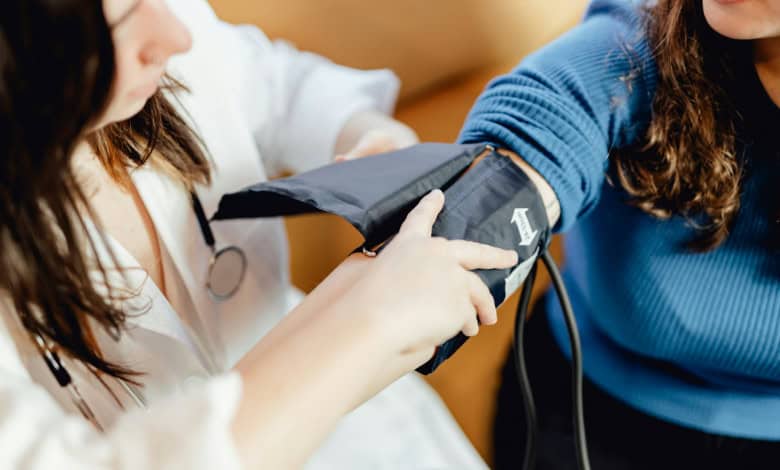
- Blood pressure (BP) test, as high blood pressure (hypertension) is one of the biggest culprits.
- Lipogram blood test to determine different types of cholesterol.
- Blood glucose test
- Body Mass Index (BMI) check
Visit your nearest clinic and ask for a comprehensive screening which includes BP, BMI, Glucose and Cholesterol screening, plus a meal and exercise plan.
Make an appointment today – call 0860 254 257 or visit Clicks Clinics. To find out more, visit The Heart and Stroke Foundation South Africa.