
17 jobs set when Tshwane’s R221m monument opens in 2022
It is anticipated that the Women’s Living Heritage Monument in the Pretoria CBD would create 17 permanent jobs when its doors open next year.
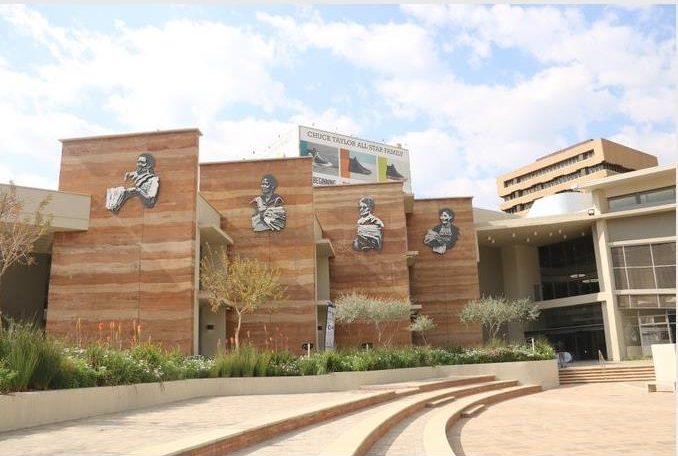
The facility, which has been non-operational for about five years, is set to open in August 2022 and will consist of statues, a sculpture and plaques around the building, embracing women’s contribution to the liberation struggle.
Gauteng sport, arts, culture and recreation department spokesperson Tumelo Taunyane said a phased process of remedial work would commence at the site in September.
“The work will be related to wet service and plumbing; electrical fire safety and fire equipment; backup generator repairs; heating, ventilation, and air conditioning system and lift servicing.”
Taunyane said the replacement of stolen earth cables and waterproofing had delayed work at the monument.
She said the department spent R221 742 964 on the project to date; however, the original contract value was set for R151 861 076.
“The increase was led by professional fees and heritage artworks balance,” said Taunyane.
“The department is looking forward to the facility achieving its objective and be of service and benefit to women and targeted audiences as expected.”
The Women’s Living Monument museum was initiated to create jobs and uplift the local economy.
The department previously told Rekord that it acknowledged that it had been dealing with general backlogs in the delivery of infrastructure projects, “with some dating as far back as 2014”.
The Women’s Living Monument at Lillian Ngoyi square was unveiled by former president Jacob Zuma in 2016 and saw Cyril Ramaphosa, Nkosazana Dlamini-Zuma and Sophie de Bruyn in attendance at the ceremony.
The monument features four statues of the heroic stalwarts: Lillian Ngoyi, Sophie de Bruyn, Helen Joseph and Rahima Moosa.
The four women led a march to the Union Buildings 60 years ago in which thousands of women from all parts of the country delivered a petition to then prime minister, Johannes Strijdom, against the carrying of passes and the degradation of African women.
The monument included leadership development and a training centre, dedicated walls for murals, artworks and artefacts, which tell the story of women’s struggles covering more than 100 years.
Read original story on rekord.co.za

