
Education sector vaccination roll-out gets the greenlight
Discussions for the education sector to get coronavirus vaccines have been continuing for months and intensified as the primary schools will return to full attendance at the end of July.
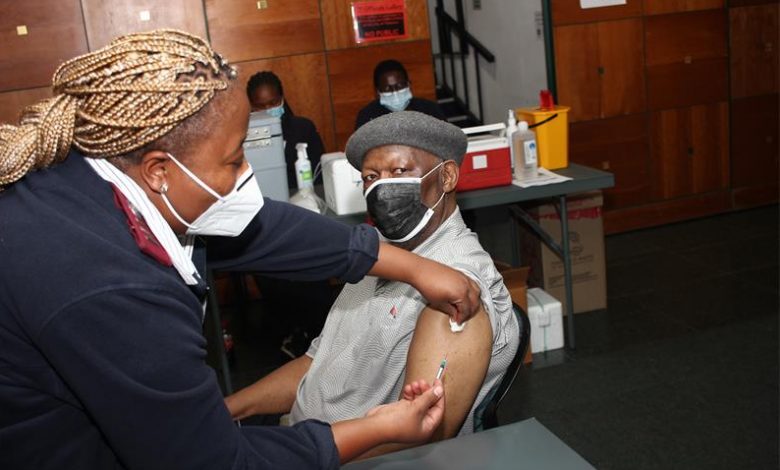
The education sector was set to be among those to benefit from two million Johnson & Johnson (J&J) coronavirus vaccines expected to arrive in the country this month.
In a televised address to the nation on Tuesday, President Cyril Ramaphosa said the government received an indication that “around two million” J&J doses would be delivered by the end of the month.
These were earmarked for the vaccination of the education sector and security personnel on the frontline.
However, there was no mention of the confirmed dates for the roll-out.
“The initial doses we receive from Johnson & Johnson will be used to vaccinate educators in our schools and thereafter security personnel on the frontline,” he said.
Ramaphosa said the vaccination roll-out aimed at protecting people from death and severe illness when infected, was met with several delays.
The supply of J&J vaccines was halted in April, pending an investigation into the contamination of ingredients at a supplier factory in the US. This resulted in two million doses that had already been produced declared unsuitable for use.
“Now that the delays in the supply of vaccines is largely resolved, our immediate task is to complete the vaccination of all those over 60 years of age without delay.
“It is estimated that we have the capacity at present to vaccinate at least 150 000 people a day, and we are planning to increase that to 250 000 a day as soon as possible.”
A statement released by a pharmaceutical company, Aspen in Gqeberha on Monday, said they were “extremely disappointed” that vaccines manufactured at the site would have to be destroyed. According to Aspen, they expected within days, J&J would provide 300 000 doses for teachers.
Since last year, several teachers’ unions have been calling for the vaccination of teachers. The calls intensified after the Department of Basic Education announced that learners from grades R to 7 would return to normal schooling from July 26.
In February, the roll-out of the AstraZeneca vaccine, of which South Africa received a million doses, was sold after studies found it to be ineffective against the 501 Y.V2 variant.
In early April, the J&J roll-out was temporarily halted pending a probe on extremely rare blood clot cases that emerged in the United States. Shortly after that the vaccine worldwide was halted after the Emergent BioSolutions plant in America, flagged that some of the vaccines might have been contaminated.
During this time, South Africa relied solely on the Pfizer vaccine to continue with the roll-out.
Read original story on rekord.co.za

