
Elections guide: How voting works and why your vote matters
Voters must meet eligibility rules and understand the ballot system ahead of municipal elections, where local choices directly determine service delivery priorities.
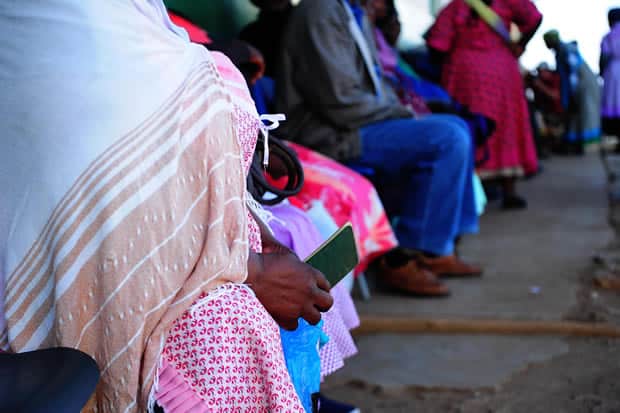
With local government elections coming up, it’s important to know how your vote works, who you’re voting for, and why it matters
Zululand Observer provides a handy guide to help you stay informed and ready for election day.
1. Who can vote?
To vote in municipal elections, you must:
- Be a South African citizen
- Be 18 or older on voting day
- Have a green, bar-coded South African ID, a smart ID card, or a valid temporary ID certificate
- Be registered to vote in the ward where you live: Check on www.elections.org.za
2. Why your vote matters
Municipal elections are about your community. This is where you choose ward councillors and political parties to deliver essential services like water, electricity, sanitation, refuse removal, and local roads.
Your vote directly shapes how your municipality is run. The ward councillor you elect will be your first point of contact for any service delivery issues or local concerns.
3. How local government works
South Africa has three types of municipalities:
- Metropolitan councils (Metros): Large urban areas like Johannesburg, Cape Town and eThekwini, divided into wards
- ·Local municipalities: Smaller towns and cities, including many in Zululand, divided into wards represented on local councils
- District municipalities: Oversee and support multiple local municipalities
Councillors are either ward councillors, elected directly by residents, or proportional representation (PR) councillors, representing political parties according to the proportion of votes they receive.
4. How voting works
On election day, voters in local municipalities typically receive three ballots:
- Ward ballot: Vote for a councillor or independent candidate to represent your ward
- Local PR ballot: Vote for a political party for your local council
- District PR ballot: Vote for a party to represent your municipality on the district council
In metropolitan areas, voters get two ballots: Ward councillor and metro PR.
5. Role of ward councillors and committees
Ward councillors are your direct link to municipal decision-making. They chair ward committees, monitor municipal performance, and represent your concerns at council meetings.
Ward committees are advisory groups made up of community representatives. They work with councillors to ensure your voice is heard, contribute to planning, and help monitor service delivery.
6. Voting day essentials
Find your voting station ahead of time using the IEC’s Voting Station Finder: https://maps.elections.org.za/vsfinder/
- Bring your valid ID
- Check your name on the voters’ roll
- Mark your ballot clearly and cast your vote
7. Stay informed
Informed citizens are responsible citizens. For the latest local election updates, follow:
IEC South Africa:
- Facebook: IECSouthAfrika
- Instagram: @IECSouthAfrica
- X: @IECSouthAfrica
- TikTok: @IECSouthAfrica
- YouTube: IECSouthAfrica
- WhatsApp: ‘Hi’ to 060 088 00 00
Breaking news at your fingertips… Follow Caxton Network News on Facebook and join our WhatsApp channel.
Nuus wat saakmaak. Volg Caxton Netwerk-nuus op Facebook en sluit aan by ons WhatsApp-kanaal.
Read original story on www.citizen.co.za

