
Gauteng government looking into dealing with municipal billing systems ‘comprehensively’
The provincial government is set to deal with the billing problem “comprehensively’’ across municipalities in Gauteng province.
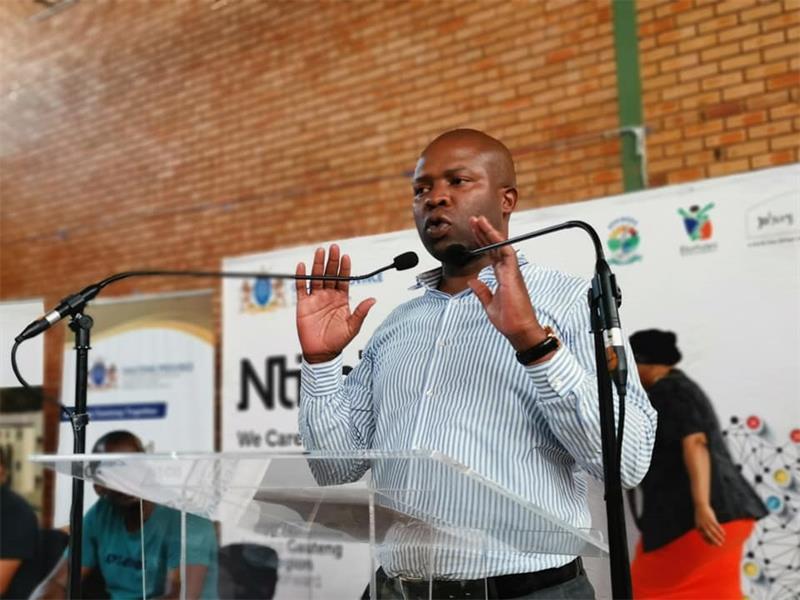
During a press briefing in Johannesburg on the state of municipalities, Wednesday, Cooperative Governance and Traditional Affairs MEC Lebogang Maile said provincial government noted that there was a problem with the municipal billing system.
“There is a huge problem with the billing system in our municipalities. It is not just a Tshwane problem, its a problem from across our municipalities in the province,” he said.
“This is not a new problem, we have had it for many years. We do agree that there is a problem but they differ with each municipality. That is why we say we are looking into dealing with this comprehensively.”
Maile said the problems faced by municipalities about billing differed and also needed a specific approach in solving the problems.
“In improving our support to municipalities, we have deployed multi-disciplinary regional teams led by senior managers and skilled technocrats from Cogta, to provide support and interventions where necessary.
“The support plans include but are not limited to the following: tariff modelling, data cleansing, revenue enhancement and debtor management, the institutionalisation of performance management systems and capacity building.”
He bashed the Tshwane metro for cutting power during the lockdown, saying this was contrary to President Cyril Ramaphosa’s call for no electrical power cuts during the lockdown.
This as the metro began to cut power for residents whose bills were in “arrears”, this month.
“We want to urge all municipalities to respect all the regulations and mandates called for by the president.”
According to the metro administrator, Mpho Nawa, the metro embarked on cutting power for residents who had arrears as the country opened the economic window.
Nawa said the metro needed to collect revenue to continue providing services.
Maile said due to Covid-19 municipalities in the province were ‘“deeply”’ affected by the outbreak and “exacerbated” pre-existing challenges the municipalities faced, including undercollection of revenue.
“In just a period of four months, we saw municipalities lose R8.6-billion in revenue collection at a period when service delivery demands were increasing.”
Maile said the department was also working with municipalities to develop and implement financial strategies to ensure their financial stability.
The municipalities, provincial treasury, national treasury, Finance and Fiscal Commission, as well as experts in the field, would draft a local government financial model set to assist the municipalities on their journey to “financial stability”.
“Cogta has established the Capex War Room for better monitoring of the capital projects progress as well as expenditure including re-prioritisation where funds would lose.”
Among issues faced by the Tshwane metro, Maile indicated that about 10% of municipal manager positions were empty.
“Our commitment has been to work at ensuring that our municipalities’ long-term sustainability and viability.
“We would like to remind communities that it may sometimes seem as though we are deaf to your service delivery concerns, but we are not. Your frustrations are legitimate, and we can assure you that we are working our socks off on a daily basis to resolve all of them,” he concluded.
Read original story on rekordeast.co.za

