
New car prices rise above inflation
New vehicle pricing in South Africa rose above inflation for the first time since the second quarter of 2017, according to Trans Union’s Vehicle Pricing Index (VPI).
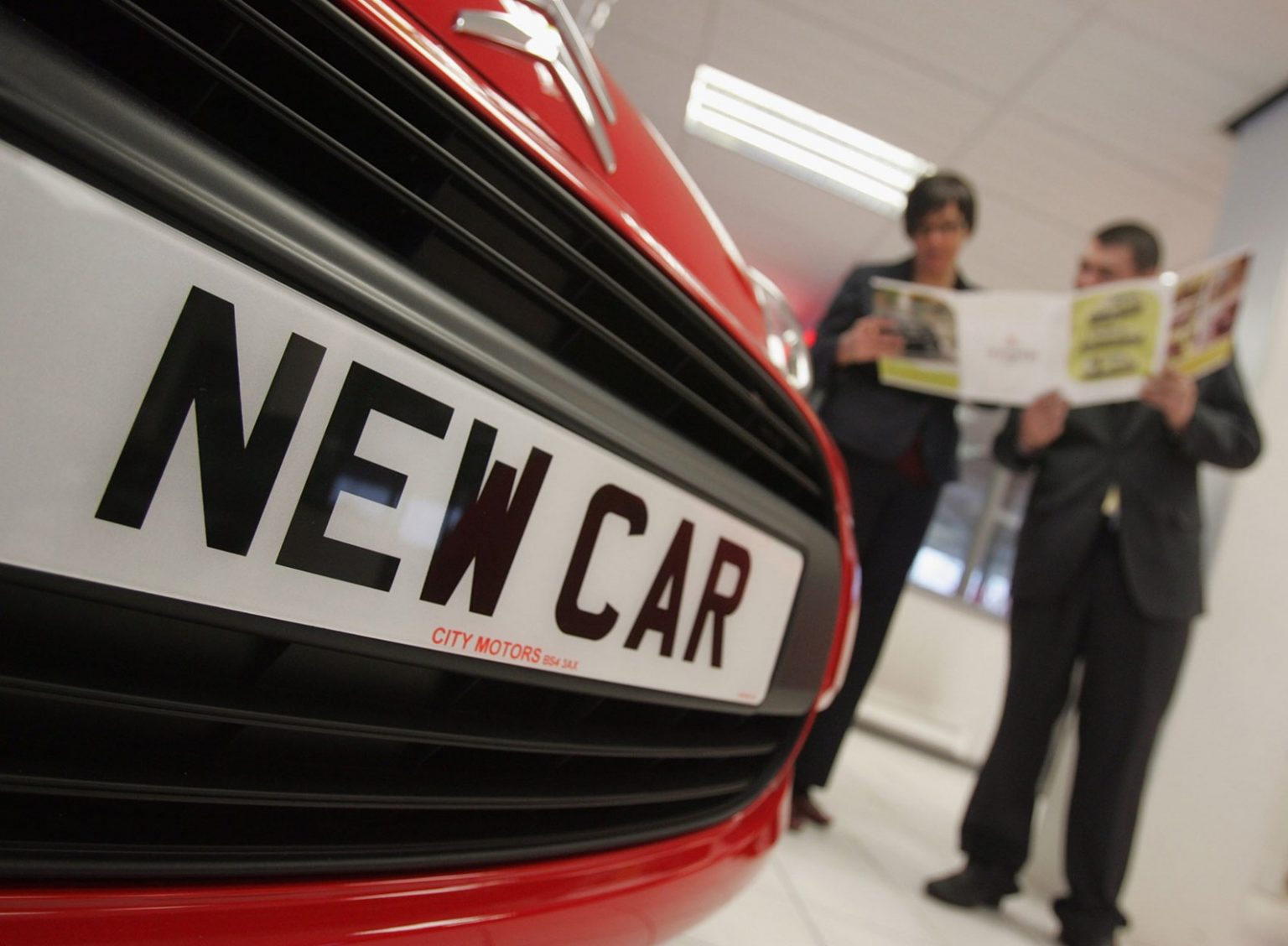
Trans Union said the VPI for new vehicles rose sharply to 6.5% in the second quarter of 2020, from 3.1% in quarter two of 2019 (and to 3.1% from one per cent for used vehicles).
The VPI measures the relationship between the increase in vehicle pricing for new and used vehicles from a basket of passenger vehicles that incorporates 15 top-volume manufacturers.
The index is created using vehicle sales data from across the industry.
According to Trans Union, the country’s automotive market experienced ‘record lows’ in quarter two of this year, as the combination of minimal trading due to the Covid-19 pandemic and the ‘depressed economy’ saw a whopping 71% decline in the number of new and used cars financed over the same period in 2019.
Kriben Reddy, head of Auto Information Solutions for Trans Union, said the ongoing impact of the pandemic had not allowed the industry to recoup sales lost in April. As vehicle pricing continued to increase, consumers came under increased financial strain.
“The focus for the industry now needs to shift to resilience, recovery and creating a strategy to deal with new consumer behaviour.
“Applying lessons learnt from the previous global recession in 2007-2009, when it took 24 months for the car market to recover, the industry can create robustness and understanding of the new market more quickly, accelerating its recovery,” Reddy said.
The VPI report showed the used-to-new vehicle ratio had been trending upwards since lockdown restrictions eased, from an average of 2.16 in 2019 to 2.31 in quarter two of 2020.
That means for every new vehicle financed, 2.31 used vehicles are financed.
According to Trans Union, the make-up of used vehicle sales showed 33% of vehicles financed were less than two years old, with demo models making up six per cent of used financed deals.
“What is critical is how long it will take consumers to recover from the economic effects of the lockdown.
“The longer the constraints of Covid-19 continue, the greater the impact on the industry and the broader economy.
“Trans Union’s ongoing financial hardship research shows that consumers expect to, on average, be just over R7 000 short on their budgets every month.
“That’s more than the cost of ownership of an entry-level car and might keep a lot of people out of the market for even longer,” said Reddy.
Notice: Coronavirus reporting at Caxton Local Media aims to combat fake news
Dear reader,
As your local news provider, we have the duty of keeping you factually informed on Covid-19 developments. As you may have noticed, mis- and disinformation (also known as “fake news”) is circulating online. Caxton Local Media is determined to filter through the masses of information doing the rounds and to separate truth from untruth in order to keep you adequately informed. Local newsrooms follow a strict pre-publication fact-checking protocol. A national task team has been established to assist in bringing you credible news reports on Covid-19.
Readers with any comments or queries may contact National Group Editor Irma Green (irma@caxton.co.za) or Legal Adviser Helene Eloff (helene@caxton.co.za).
Read original story on zululandobserver.co.za

