

Dead squid: climate change?
Thousands of dead fish wash up along Dolphin Coast.
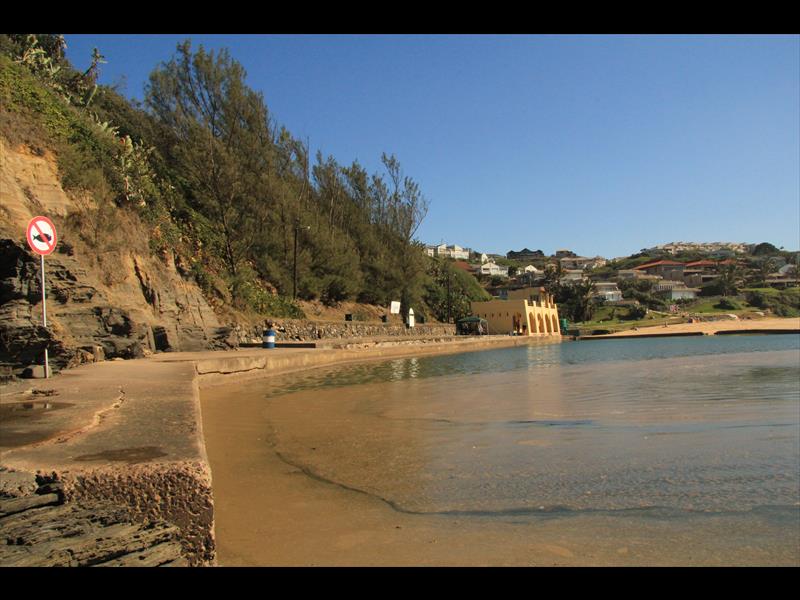
Climate change, rather than pollution, is thought to have been the cause of thousands of dead cuttlefish, small fish and squid washing up on North Coast beaches over the weekend. On Saturday afternoon and Sunday morning Dolphin Coast residents were greeted with thousands of dead sealife on the beaches between Umhlanga Rocks and Blythedale. The water was brown and foul smelling, carrying a slimy foam to shore. Speculation about the phenomena is plentiful and diverse. KZN Wildlife released a statement on Facebook saying the dead cuttlefish, small fish and squid are probably a result of climate change as opposed to water contamination, as similar reports have been received from other areas along the KZN coastline. According to reports from fishermen and conservation managers, fish species caught over the past few weeks have differed from the norm and sardines being netted in late August is highly unusual, all pointing to climate change. Lifeguards, divers and surfers noted unseasonably cold waters with temperatures plummeting to well below 20 degrees celsius, possibly caused by an upwelling of colder water to the surface. According to Ezemvelo KZN honorary officer Lionel van Schoor, this is the biggest die-off he’s seen in decades. He said it is normal for cuttlefish to wash up at this time of year but not at this magnitude. Van Schoor said the upwelling of cold water brings an inflow of food and nutrients, which in turn attracted the cuttlefish, but which were sometimes unable to survive the drastic drop in water temperature. “The fact that we did not have a proper sardine run this year means that the other fish could not have their annual feast. Those fish are now looking for other food and are eating the cuttlefish.” The mix of cuttlefish shells, small dead fish and squid washing up are most likely a result of this chain of events. Regarding the contaminated water, van Schoor said the heavy seas and onshore wind experienced over the last few days purged the sea of all the pollutants, “which is a good thing”. The water contains a lot of plankton which smells bad when it decomposes”. However, Dr Malcolm Smale from Bayworld in Port Elizabeth had a different take on the matter. He told the Courier that the dead fish are not cuttlefish but in fact Argonauta Argo, also known as the greater argonaut, a type of octopus. “They (the Argonauta Argo) are not dead; they are spawning and look healthy,” said Dr Smale. He believes the stranding and the contaminated water to be an unrelated coincidence. According to Wikipedia, “argo is occasionally involved in mass strandings along the South African and Southern Australian coastlines”. This behaviour usually occurs towards the end of the argo’s spawning season between April and August. More dead cuttlefish/argo washed up on uShaka Beach on Tuesday morning and various scientists are working on samples to pin point more certain answers.
Follow the North Coast Courier on Twitter, Facebook and BBM: 2A24E31A.
Stay in the loop with The North Coast Courier on Facebook, X, Instagram & YouTube for the latest news.
Mobile users can join our WhatsApp Broadcast Service here, or if you’re on desktop, scan the QR code below.