

Feisty felines to the rescue
Feline Feral Fund works to sterilise and protect feral cats.
Many people are quick to euthanize feral cats to solve the neighbourhood’s cat “problems.”
According to the Ballito based Feline Feral Fund (FFF) this tactic is not only inhumane but also ineffective.
Equally destructive and making a major contribution to the Dolphin Coast’s already overcrowded feral cat population is the dumping and abandoning of unwanted kittens or pregnant females.
“The best thing to do is to trap, sterilise and release feral cats back into their familiar environment, and owners should sterilise their domestic cats from the start” said FFF director Sharon Cossey.
She explained that cats are by nature territorial and getting rid of one feral colony creates a void that another will fill.
“Providing a controlled environment for sterilised cats to live in deters more cats from settling in the area, keeps their numbers in check and eliminates territorial fights,” said Cossey.
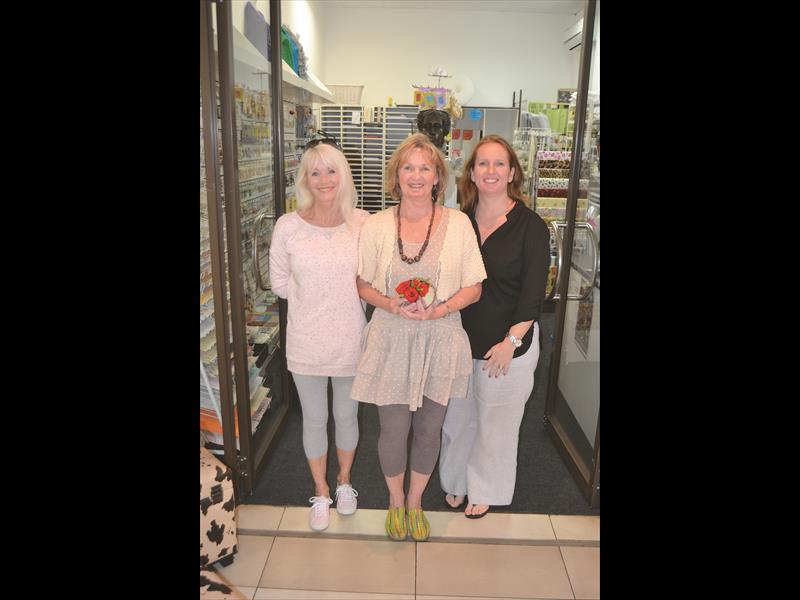
The organisation is run by three dedicated women who have the support of a number of very kind vets.
Sharon Cossey is in charge of feeding, trapping, and fostering, Riki Yolo runs public relations and social media and Laurie Younglesson is in charge of finances and is also involved with fostering.
They receive the bulk of their food donations from Eukanuba but for the first time two weeks ago they ran out of food and were unable to deliver to their feeding station in Maidstone.
Walking along the Ballito promenade, you will find little huts with blankets and food for the organisation’s sterilised feral cats.
As a registered non-profit company they rely heavily on volunteers to feed about 200 cats at 23 feeding stations along the Dolphin Coast in Westbrook, Desainagar, Maidstone, Ballito and Zinkwazi.
Cossey said they get about five calls a day for help.
“We trap, sterilise and release the adult cats and find “furever” homes for the kittens once they are old enough. Very importantly, we follow up to make sure that adopted kitties are sterilised,” said Cossey.
She said their sterilised adult ferals can be identified by a “v” nipped into one ear.
The importance of sterilisation cannot be overstated.
“A female can be impregnated from the age of five months and can give birth to an average of four kittens every four months. Their exponential rate of procreation adds up to hundreds of new cats per year for every female and her offspring that go unsterilised,” said FFF director Laurie Younglesson.
The importance of neutering male cats is commonly underestimated; a case of you can count the seeds in an orange but you can never count the oranges in a seed. “A single male can impregnate multiple females and it is nearly impossible to keep track of how many offspring he produces,” said Younglesson.
“We do not euthanise but only trap, neuter and release cats,” Cossey categorically stated.
She said they had an adoption process in place and all their rescues were logged into a computer programme. The adoption fee includes two inoculations, deworming and sterilisation and corporate donations are tax deductible.
Anyone interested in making a donation, giving a kitten a “furever” home or wanting to know more can visit their Facebook page.
Stay in the loop with The North Coast Courier on Facebook, X, Instagram & YouTube for the latest news.
Mobile users can join our WhatsApp Broadcast Service here, or if you’re on desktop, scan the QR code below.