

Beware of African Horse Sickness
Tiny, silent midges can transfer a deadly virus to your horse.
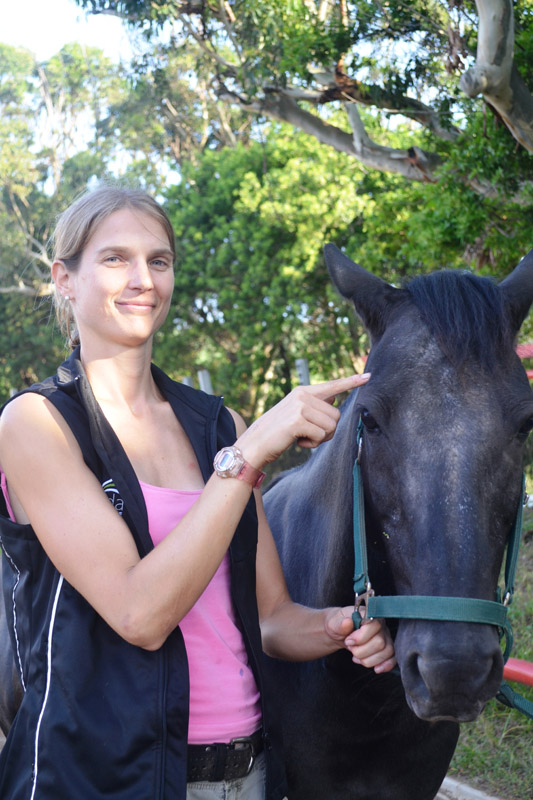
While most people ignore midges for the tiny, silent insects that they are, one bite from them can transmit a deadly virus to your horse known as African Horse Sickness (AHS).
“Midges, officially known as Culicoides, are smaller than a mosquito and are most active during the summer on the North Coast, especially two hours before sunrise and sunset, which is the time your horse is most at risk of being bitten,” said Dr Karen Behrens, equestrian vet at Bellamont Stables, Umdloti.
Although she said that there have been much fewer cases in the area this year compared to last year, she has treated a few horses so far, with the most recent being in Umhlali.
According to Dr Behrens, some Zebras carry the virus without showing clinical signs, which is then picked up by the midges and if that same midge bites a susceptible horse, the virus is transmitted.
“There are four types of AHS, however the two most common types are the lung or Dunkop form, and the heart or Dikkop form.”
She explained that the lung form has a close to 100% fatality rate and kicks in quickly, with little or no warning.
Dikkop on the other hand is quite easily spotted.
“The groove above the horse’s eye will get swollen as well as the head. If the swelling is detected early on and a vet starts treatment immediately, the horse has a fairly good chance of survival, but the mortality rate is still 50-75%.”
“Whichever type of AHS they have, it is a horrible virus and if the horse cannot be saved, they suffer a terrible death.”
She said they basically drown or suffocate, because the lining of the blood vessels becomes damaged by the virus, leading to fluid leaking out causing massive internal swelling.
As a preventative, it has become a legal requirement in South Africa for horses to be vaccinated against AHS.
“The annual vaccination around September/October is a must, even though it does not guarantee that your horse will not get infected. However it does reduce the chances of infection significantly,” she said.
Dr Behrens warns that horses may get a fever from the vaccination or be a bit flat for a few days, as the vaccination contains a weaker version of the live virus, but it generally is not too serious.
“We are hoping to get a better vaccination soon, as some horses do not build up a consistent enough immunity against the virus. Until then, this vaccination is the best but it is important not to use unregistered or unlicensed pseudovaccines, which are on the market.”
Besides the vaccination, one should use fly spray and spray the stables before sunrise and sunset, install insect catchers, limit entry points with shade cloth and possibly install a fan, as midges are attracted to horse odors and carbon dioxide.
“Check your horse’s temperature morning and night, as the virus usually starts with a fever, and check the groove above the eyes for swelling. If you see any of these signs, contact your vet immediately.”
She said the best treatment is to put the horse on a colloids drip, which is very expensive, but also very effective and anti-inflammatories will help ease the swelling.
“Fast, aggressive treatment is crucial to give the horse a chance and they need to be confined and kept as still and calm as possible.”
Stay in the loop with The North Coast Courier on Facebook, X, Instagram & YouTube for the latest news.
Mobile users can join our WhatsApp Broadcast Service here, or if you’re on desktop, scan the QR code below.