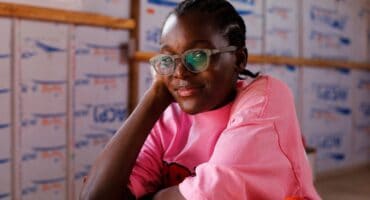
World TB Day: 10 things you need to know
March 24 we focus on tuberculosis, a massive health problem in South Africa.
Today, March 24 is World Tuberculosis (TB) Day and it commemorates the announcement by Dr Robert Koch in 1882 that he had discovered the cause of tuberculosis: the TB bacillus, Mycobacterium tuberculosis.
Here are 10 things you should know to support the global effort to find, treat and cure TB.
1. It’s a number one problem for South Africa
TB is South Africa’s leading cause of death. And along with our neighbours, Swaziland, we have the world’s highest incidence of TB – a rate of 1,000 per 100,000 people.
2. TB spreads through the air
One person sick with TB can infect 10 to 15 others if untreated. People with active lung TB spread it through the air when they cough, sneeze or spit. Get tested for TB at your local clinic if you have a cough for more than two weeks, unexplained weight loss, fever and/or night sweats. Don’t delay, or you could spread TB to your friends and family and get much sicker. Be TB aware and cover your cough, don’t spit and open windows and doors to let the fresh air in.
3. TB is curable and treatment is FREE
The good news is that TB can be cured with antimicrobial drugs. Although TB treatment is lengthy – at least six months and up to two years for drug-resistant TB – the vast majority of TB cases are cured when treated early and completely. All TB testing, treatment and care is free in South Africa. If you are being treated for TB, you must finish your medication even if you are feeling better. Feeling better does not mean you are cured.
4. Know your status and get tested
HIV increases a person’s risk of getting TB and TB is a leading killer of HIV-positive people, causing one in four of all HIV-related deaths. Around 55% of South African TB patients also test positive for HIV. If you are HIV-positive, ask for a TB test immediately if you start coughing, do not wait two weeks. TB is curable, even if you have HIV.
5. Drug-resistance is a growing problem
Drug-resistant TB, called MDR-TB or XDR-TB, is a growing problem because people don’t take their TB medication properly or don’t finish it. Drug-resistant TB can develop in someone who is not being treated properly for TB or it can be spread to someone through the air like regular TB. It’s serious: drug-resistant forms of TB take at least two years to cure and can be killers. South Africa has the second highest number of reported drug-resistant TB cases globally.
6. Prisoners, miners and health workers are most at risk
TB among prisoners is estimated to be seven times higher than in the general population. High HIV prevalence in migrant workers and crowded conditions have led to an increase in TB on the mines, where incidence is estimated to be 3,000 per 100,000 miners. All categories of healthcare workers – facility staff, community health workers and volunteers – are also at higher risk of getting TB. The Department of Health will roll-out a massive TB screening programme this month which will specifically target prisons, mines and six districts where mining activity is fuelling the disease.
7. TB testing can be tricky
Testing for TB is not simple – it is normally done with two sputum (coughed-up mucus) tests and also sometimes chest X-rays. TB is much harder to diagnose in children so make sure your new-born receives a BCG vaccination which protects against some types of TB. Tuberculosis can also be harder to diagnose in people with HIV – all the more reason to go straight to the clinic if you are HIV-positive and start coughing.
8. Diabetes triples the risk
Diabetes triples the risk of developing TB and complicates treatment. WHO estimates that around 15% of the global burden of tuberculosis is associated with diabetes and diabetes rates are rising, particularly in Africa. Already, about six percent of South Africans have diabetes. If you have diabetes, you need to be especially aware of TB and seek treatment quickly.
“You get better, you heal, life goes on,” says 29-year old Themba from Gauteng who was diagnosed with TB when he was 26. “I am 100% healthy and enjoying life,” he says now,”nothing is stopping me.”
9. Beat TB by living a healthy life
Early and complete treatment is by far the best way to cure TB and prevent it from developing into drug-resistant TB. If you have TB, take your treatment every day as directed by your healthcare worker and don’t stop until you are told you can. Give your body the best chance to get better by living a healthy life – don’t smoke, take drugs or drink alcohol as these are all things that make TB worse.
10. TB affects us all
“This is a community disease,” says our Minister of Health, Dr Motsoaledi. TB does not discriminate based on race, gender or socio-economic status – everyone is at risk. Stigma surrounding TB (the belief that TB only affects the poor, for example) is preventing people from getting tested and the treatment they need to get better. A person with untreated TB is much more likely to spread it to others so rich or poor, TB affects us all and we all have a role to play in stopping it. Play your part by being TB aware; encouraging employees, friends or relatives to get tested if they show signs of TB and supporting them through their treatment.

Stay in the loop with The North Coast Courier on Facebook, X, Instagram & YouTube for the latest news.
Mobile users can join our WhatsApp Broadcast Service here, or if you’re on desktop, scan the QR code below.