

Is your child really happy at school?
Parents of course need to lend an ear to their children and take what they say seriously, without jumping to unnecessary conclusions.
Sometimes it can be as simple as having had a bad day at school, which many parents won’t be blamed for turning a blind eye to, but sometimes parents need to pay special attention.
Countless parents have been subjected to the shouting and screaming of children from as young as six, right up until grade 12.
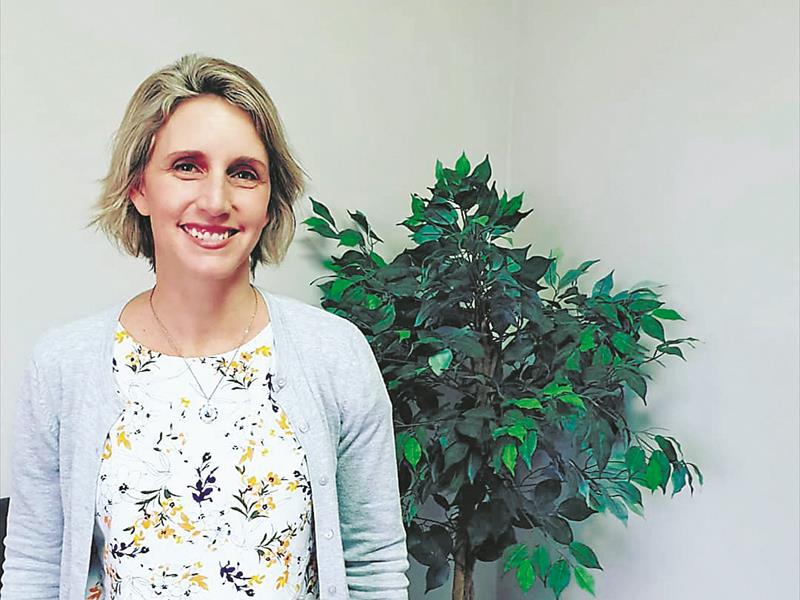
Common responses of ‘I hate school’ or ‘I’m never going back’ may be normal, but signs to watch out for, according to Salt Rock-based clinical psychologist Kerry Roberts, including a sudden change in marks, getting into trouble at school and social withdrawal both at home and school.
“These are but a few of the signs,” said Roberts.
“Parents need to understand that the only way for a child or teenager to open up about these things is if parents are approachable.”
She noted that parents need to instil in their children from an early age that parents can be trusted and spoken with.
Parents of course need to lend an ear to their children and take what they say seriously, without jumping to unnecessary conclusions.
“Focus on communication and encourage your children to speak openly to you and most importantly remember not to overreact when they say something.
According to Roberts, younger children who are having issues at school may even take to bed-wetting and experience night terrors.
These are episodes of screaming, intense fear and flailing while asleep.
Sleep terrors often are paired with sleepwalking.
A sleep terror episode usually lasts from seconds to a few minutes, but episodes may last longer.
Meanwhile, older children may display sudden mood changes and withdraw socially.
It was stressed that parents should always encourage their children to speak with them, regardless of the problem or topic.
But according to the South African Depression and Anxiety Group (SADAG), not all sudden mood swings or a sudden drop in school performance may be linked back to a poor school environment.
Today’s teenagers know a lot more than their parents in terms of technology but they have also accomplished something their parents’ generation did not – they are killing themselves far more than any other generation.
According to SADAG, nine percent of all teen deaths are due to suicide and the figure is said to be on the rise.
Teens are not the only concern.
SADAG says that children as young as seven have committed suicide in South Africa.
“Ninety percent of adolescents who die by suicide have an underlying mental illness. Our teens are depressed and often have no-one to turn to for support,” says SADAG founder Zane Wilson.
“Combined with a lack of resources, family problems, poverty and loss, suicide all too often seems to be the only answer for these children.”
SADAG also provided some tips for parents and urged that if parents suspect their child is being bullied, the simple thing to do would be to ask, listen to your child and not blame them.
Reassure them that they were correct in telling you and don’t promise to keep it a secret.
SADAG also encourages parents to enrol children in extramural activities to help widen their social circle and to encourage family discussion instead of just watching television.
Download The North Coast Courier mobile app, now available free from the Apple iStore and on Google Play, for IOS and Android phones.

Stay in the loop with The North Coast Courier on Facebook, X, Instagram & YouTube for the latest news.
Mobile users can join our WhatsApp Broadcast Service here, or if you’re on desktop, scan the QR code below.