

Loggerhead turtles sighted nesting on North Coast beaches
The nests are not marked due to the risk of poaching.
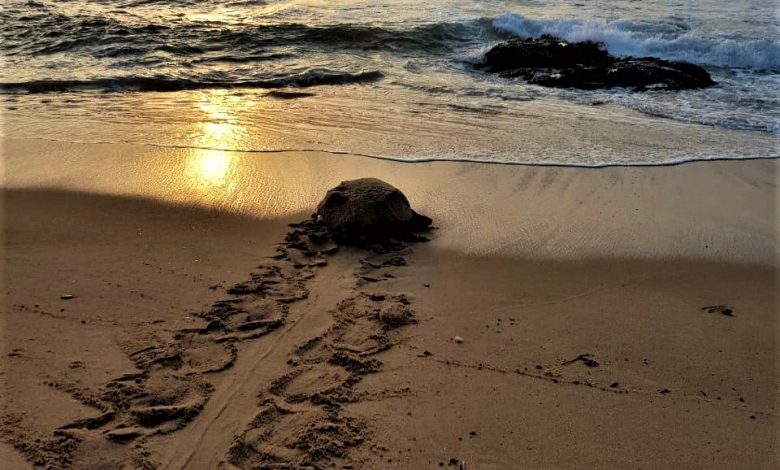
A number of turtles have been seen nesting on North Coast beaches this week, between Chakas Rock and Tinley Manor.
An uncommon sight so close to Ballito, the nests’ exact locations are a closely guarded secret due to the risk of poaching.
KwaZulu Natal Wildlife spokesperson Musa Mntambo said the turtles’ nesting season runs between October and March.

“The turtles nest at night, coming out of the water, usually between 10pm and 12 am.
“This should not be a problem for beachgoers because they usually nest at the quiet beaches, but for safety purposes, people should avoid digging in the sand during this time of the year,” said Mntambo.
Quinton Power from the Specialised Rescue Unit said in the past regular nesting sites had been noted at Nonoti and Zinkwazi.
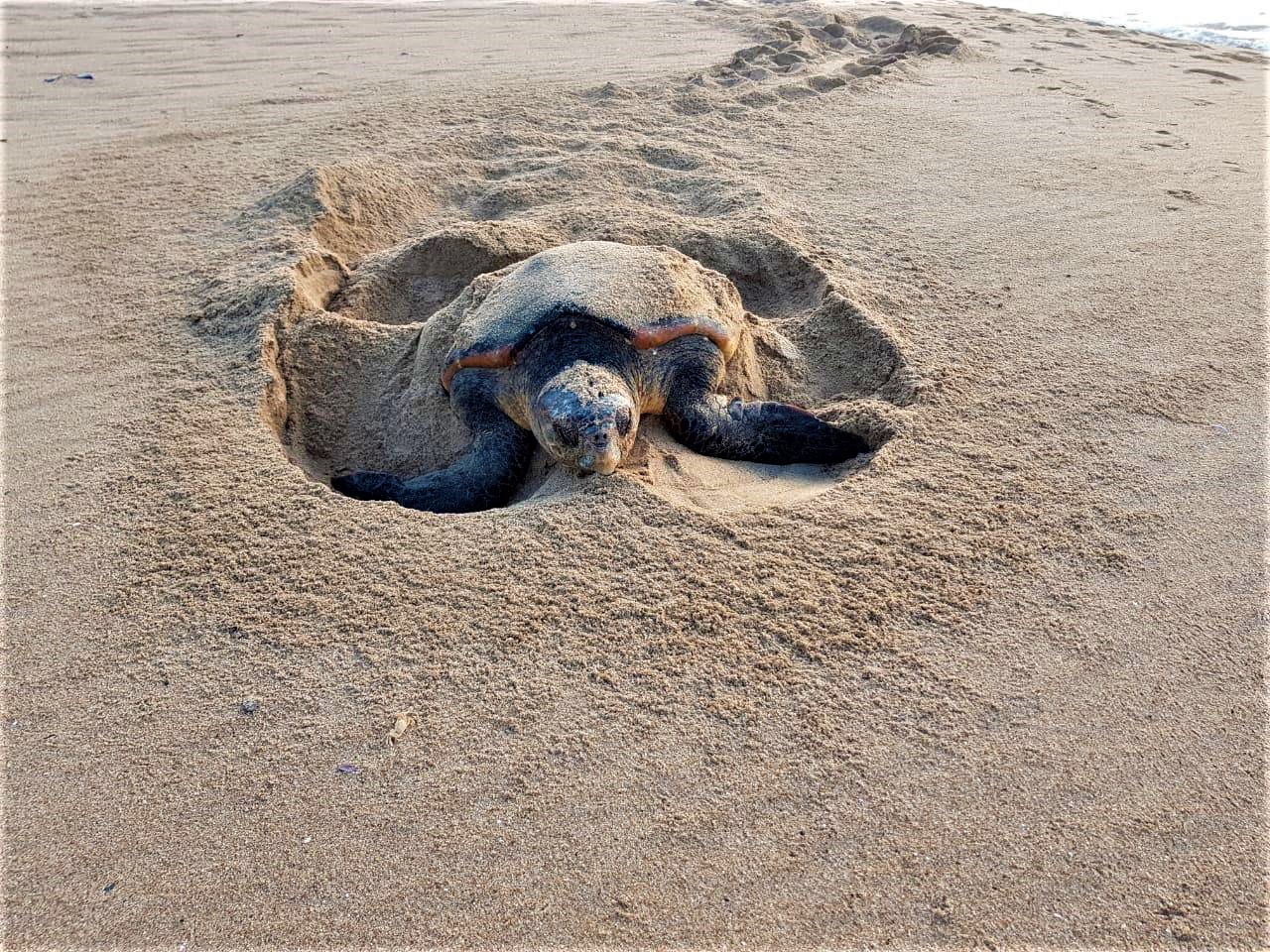
“Please, all beachgoers that walk their dogs on the beach during nesting season should try keep them from digging as they may dig up a nest.
“Nests that have been sighted have been documented and will be monitored,” said Power.
He pleaded with residents who live near nesting areas to turn off external sea-facing lights for the next 60-70 days as hatchlings may be confused and head for the lights.
“If you notice turtle nestings or hatchlings please take photos and send them to KZN Wildlife or one of the stranding network partners to document and monitor the nest.
“But please do not alert others to the location of the nest publicly (no social media) as there are large poaching issues with our marine wildlife at the moment and the nest will be at risk.”
The loggerhead sea turtle is considered a vulnerable species by the International Union for the Conservation of Nature.*
Four of nine population segments are classified as “threatened” and 5 classified as “endangered”.
Over the nesting season females produce an average of 3.9 egg clutches, at intervals of 12–17 days and then become quiescent, producing no eggs for two to three years.
They always return to, or near, the beach where they hatched.
*source: Wikipedia

Stay in the loop with The North Coast Courier on Facebook, X, Instagram & YouTube for the latest news.
Mobile users can join our WhatsApp Broadcast Service here, or if you’re on desktop, scan the QR code below.