

uThongathi Estuary pollution ‘very high’, environmental group study finds
Anchor Environmental has been tasked by government to implement an estuarine management plan (EMP) for the uThongathi Estuary, in the hopes that doing so may promote better conservation management.
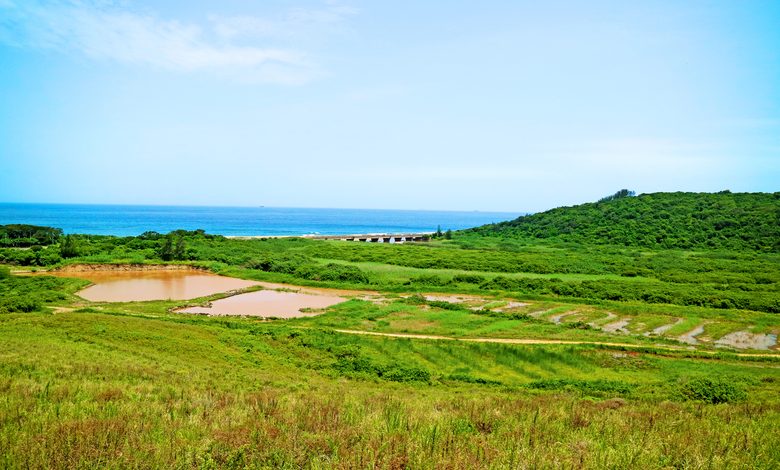
Poor water quality and lack of monitoring of alien invasive vegetation – plus lack of warning signs for crocodiles – are concerns about the Tongaat River estuary.

These and other concerns were raised at a public meeting to discuss a draft estuarine management plan for the river, held at the Tongaat Town Hall recently.
These included the lack of signs warning of crocodiles in the river and the poor state of guard rails on the river bridge.
Anchor Environmental has been tasked by government to implement an estuarine management plan (EMP) for the uThongathi Estuary, in the hopes that doing so may promote better conservation management.
The development of the EMP has been broken up into three phases, with the first now nearing completion as Anchor Environmental prepares the final draft situation assessment report for distribution by mid-January of 2021.
A follow-up meeting is planned for May next year at which the draft EMP will be presented.
The need for an EMP arose during a 2018 national biodiversity assessment which determined the estuary to be an endangered system which enjoyed no specific formal protection status.
The estuary is classed as an area of high biodiversity importance.
So far, Anchor Environmental has found the human impact of pollution is ‘very high’.
Four invasive species of macrophytes were found to be plaguing the estuary – the most common invasive plants being water hyacinth and parrot’s feathers.
Responding to concerns raised about future development within the estuary, Anchor Environmental’s Jessica Dawson said no further developments were planned for the area, and should any arise a full environmental impact assessment process would be triggered.
The Zimbali Lakes Marina development has already been accounted for, and will be taken into account in the uThongathi Estuary’s EMP.
Ken Lever of the Dolphin Coast Residents and Ratepayers Association said there had been an extensive study of traffic development and that there was a master plan to widen the M4 .
Omar Parak of the department of economic development, tourism and environmental affairs said it could be possible to implement conservation measures within the estuary – in this case, the zoning of a conservation area – with the goal of keeping it development free.
Suggestions were made that an expert on bioagents used to control water hyacinth be consulted, owing to the alien invasive being classed as a category one invasive plant.
This meant a permit would be required to remove them.
The preliminary draft of the situation assessment report is available at: anchorenvironmental.co.za/node/454.

Stay in the loop with The North Coast Courier on Facebook, X, Instagram & YouTube for the latest news.
Mobile users can join our WhatsApp Broadcast Service here, or if you’re on desktop, scan the QR code below.