

Now is the time to prepare your North Coast garden for spring
While summer does follow spring, Pam says not to get ahead of oneself and focus on spring first before preparing for summer gardens in November, when more suitable plants will become available.

Spring has arrived but without careful planning and execution your garden is not going to burst into vibrant colour on its own.
Drawing on years of experience as a former garden centre owner, Pam Jacob, an honorary member of the Umhlali & District Garden & Flower Club, advises gardeners to draw up a programme for maintenance, specifically pruning and feeding and not deviating from this programme for the best results.
“In this way, your garden should not get ahead of you,” she says.
For colour and impact Pam recommends daisies.
“All the beautiful daisies are to be considered. From Argyranthemums to Osteospermums, these will all delight you and your garden well into the summer months and beyond. The list is endless, and you could also add Begonias, Impatiens and Angelonias.”
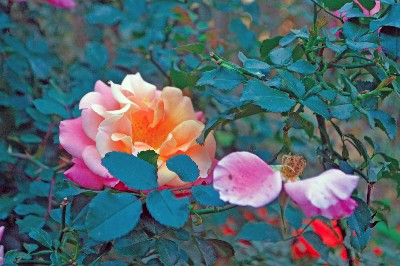
While summer does follow spring, Pam says not to get ahead of oneself and focus on spring first before preparing for summer gardens in November, when more suitable plants will become available.
“That being said, shrubs, trees and climbers are available throughout the year and in our climate can be planted at any time – we on the North Coast do not experience true dormancy as is found in colder areas.”
Shrubs, trees and climbers planted in autumn and winter still get time to settle their roots well before the sap starts rising in spring, when they should grow in leaps and bounds.
Prune where necessary but make sure not to cut back any plants that are about to burst out into colour!
“Treating with a good fungicide is also a good idea. Make sure to add some good compost as a mulch and feed with granular or water soluble fertilisers on a regular basis.”
In terms of pests, the only ones which should be removed at this time are those likely to cause damage.
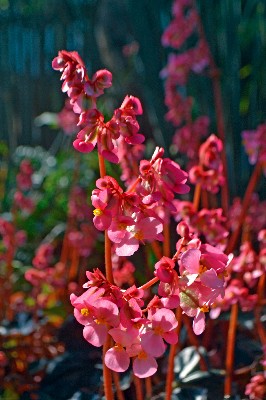
If in doubt, take a sample to your local nursery which should be able to assist you.
As for tools, these should also be given a wash down, sharpened and replaced if necessary – even oiled where applicable.
“Failing to do so could see disease remain on the blades of clippers and spread to other plants when you use these.”
It is advisable to regularly clean your tools after each use.
Pam is a firm believer in using 3:1:5; 2:3:4 or 5:1:5 as a granular fertiliser for your shrubs at about 6 weekly intervals, and to apply 3:2:1 slow release fertiliser to your lawns throughout the year.
September is the best time for establishing new lawns as conditions give roots the perfect opportunity to settle down before the summer feet come rolling in.
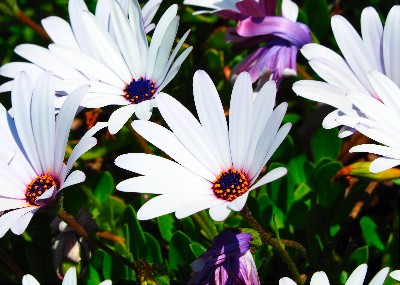
Special plants should be given foliar feed regularly.
Following these steps, you are sure to have a luscious garden suitable for Spring in no time.
For more advice contact Pam at 082 574 7673 and provide suitable photographs.
For breaking news follow The North Coast Courier on Facebook, Twitter, Instagram and YouTube.

Stay in the loop with The North Coast Courier on Facebook, X, Instagram & YouTube for the latest news.
Mobile users can join our WhatsApp Broadcast Service here, or if you’re on desktop, scan the QR code below.