

The dangers of opening an incident report
Incident reports might be easier and work for the purposes of insurance, but they do not factor into the crime stats and corresponding resource allocation.
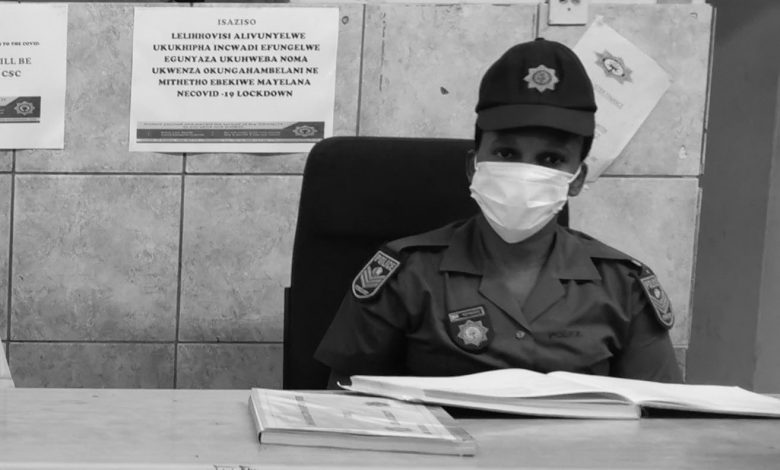
If you are a victim of a crime, opening a case is of critical importance to ensure that your area has adequate policing resources for the future.
The festive season is fast arriving for the coast, traditionally when opportunity crime increases as people relax into their holidays.
Barring a major crime, like murder, rape or car theft, many people are tempted to simply open an incident report for insurance purposes, rather than going through the hassle of opening a case.
This is a big mistake and potentially shortsighted for the future safety of your community, says Ballito Neighbourhood Watch (BNW) chairman, Morne Steffens and Ballito UIP security manager, Dieter Fittkau.
“A lot of people do not realise that crime stats regulate the role of police in our society,” said Fittkau, previously the Umhlali Saps acting station commander.

“Under-reported crime reflects an inaccurate picture which the national commissioner will look at when allocating resources to an area.”
This directly impacts the budget for your local police for the following year, increasing the likelihood that they could be underequipped and understaffed for the job at hand.
Incident reports might be easier and work for the purposes of insurance, but they do not factor into the crime stats and corresponding resource allocation.
Similarly, police officers and police stations often prefer to open incident reports because this reflects well on the precinct, which is under pressure to show reducing crime statistics.
“It is critical that you push the issue with the attending police officer, even if they recommend an incident report. Sure it might take a little bit longer to open a case, but you are directly making your community safer in the future,” said Steffens

By not opening a case you are also exempting the criminal from blame. When a suspected criminal is arrested, they can be linked to other unsolved past crimes where evidence has been collected. This will not happen with an incident report.
Opening a case:
A case number is the registration number of a criminal case after which the police must investigate.
Their findings are then presented to the public prosecutor, who is also the only person who has the power to dismiss a case.
A police officer is not authorised to throw a case out.
Only the victim of a criminal incident can open a case unless the victim has died or is injured in such a way that they are incapable of opening a case due to medical reasons.
In the case of a juvenile, a guardian can open a case on their behalf. A caretaker or legal resident of a property may also open a case.
When and how to open a case:
The action against the victim must be of a criminal nature, for example: murder, assault, rape, theft, robbery, fraud, breaking and entering etc.
1. The victim can call their local police station to report a criminal act, like a break-in, and the police will come to the scene of the crime.
2. The victim can go to the police station and open a case. The Saps member will start by taking the victim’s statement of what happened. The police officer must fill in a case form.
Saps will SMS a case number to the person reporting the crime. A case number is, for example, 9/8/2021 where there are normally no more than 3 digits at the beginning.
If it has a long list of digits at the beginning then it is an incident report rather than a case number.
Should the victim experience any resistance with regards to opening a case they should phone the number for complaints (usually found on the wall of the charge office) or request to speak with the station commander. You can call the Independent Police Investigative Directorate at 012 399 0000.
There are situations where an incident report may be more suitable than opening a case.
What is an incident report?
An incident report is the reporting of a criminal incident whereby the complainant does not need to open a case. Often in the case of damage to property for insurance purposes.
For example:
• When a vehicle accident where neither drivers are seriously injured. A typical fender-bender will not warrant further charges.
• When property damage has occurred, but not as a result of a criminal action. For example, if inclement weather has damaged a home.
For breaking news follow The North Coast Courier on Facebook, Twitter, Instagram and YouTube.

Stay in the loop with The North Coast Courier on Facebook, X, Instagram & YouTube for the latest news.
Mobile users can join our WhatsApp Broadcast Service here, or if you’re on desktop, scan the QR code below.