

The hidden cost of the Covid-19 pandemic on mental health
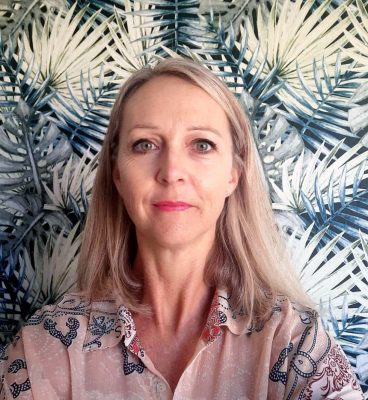
The Courier spoke to registered counsellor, Brigitte Richardson who has been practicing in Ballito for the past 9 years.
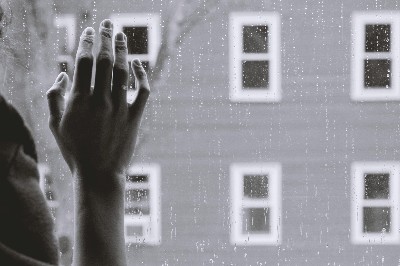
Although the difficulties of the coronavirus pandemic have been well documented, there are many who have suffered in silence.
Forced isolation is difficult enough, but for those who have had to deal with grief and a litany of other issues, it has been the longest 18 months of their lives.
The Courier spoke to registered counsellor, Brigitte Richardson who has been practicing in Ballito for the past 9 years.
She also volunteers as a counsellor at Grace Family Church.
She initially studied law and psychology, working as a para-legal for 13 years before opening her own private counselling practice 9 years ago.
“The past year and a half has seen a marked increase in mental health issues. Social isolation, general fear and anxiety, trauma and grief have triggered or worsened many conditions,” said Richardson.
“I have seen an increase in anxiety, low moods as well as relationship issues. Often this presents as general health issues such as insomnia, headaches, anger issues, lethargy or lack of motivation.”
The people who have been most affected are those who have lost loved ones without being able to grieve them effectively in line with cultural norms.
“This has carried a real cost for mental health as those left behind are often unable to process their grief and gain a sense of closure around their loss. This can lead to feelings of denial, guilt and regret.”
People are designed to live in ‘community’, and during times of trauma, human connection is a big step in being able cope.
Richardson lists a few ways to grieve as best as possible in the current circumstances:
• It is important to realise that it is natural, healthy and normal to grieve.
• It is important to connect with other people in your time of grief, and to not bottle up all your strong emotions.
• Routine assists you in feeling safe and a little more grounded during anxious or traumatic times. Set up a daily routine and stick to it as much as you can.
• Be kind and gentle to yourself when going through rough times.
• Find moments of calm in amongst the chaos and anxiety you may be feeling (have a walk, sit outside for a few minutes, take 10 deep and slow breaths etc).
• Focus your time and energy on what you can control in the situation and not on what you cannot.
For many who have been alone during the past 18 months, the isolation has acted as the tipping point, exacerbating existing mental health issues, like depression and anxiety, she said.
Even people who may not have noticed the effects may have felt them without knowing, like with the stress of financial worries and worries about family wellbeing.
“Be kind to yourself and others, because we cannot even begin to realise the impact that the covid pandemic has had on so many people’s lives. Prioritise what is important to you and let go of anything that is not important or that is weighing you down.”
For breaking news follow The North Coast Courier on Facebook, Twitter, Instagram and YouTube.

Stay in the loop with The North Coast Courier on Facebook, X, Instagram & YouTube for the latest news.
Mobile users can join our WhatsApp Broadcast Service here, or if you’re on desktop, scan the QR code below.