

Is the skyrocketing fuel price forcing your hand at buying a newer, more fuel efficient car?
From the most affordable and most fuel efficient cars in South Africa at the moment, to how you can cut down on your fuel expenses - this is everything you need to know.
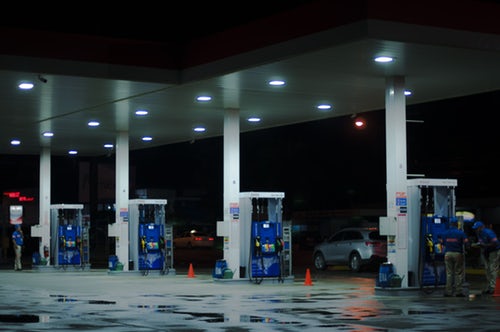
Staying ahead of fuel price increases is proving more difficult for motorists, with many now looking to trade in their cars for something more fuel efficient.
With a litre of Unleaded 95 petrol now costing R26.17 on the coast, many motorists have gone beyond merely narrowing down their grocery lists, many have become creative by removing excess weight from their vehicles to help stretch that last drop of fuel.
But often this is simply not enough.
With that in mind we bring you five of the most fuel efficient cars in South Africa at the moment:
1. Fiat 500 Dolcevita
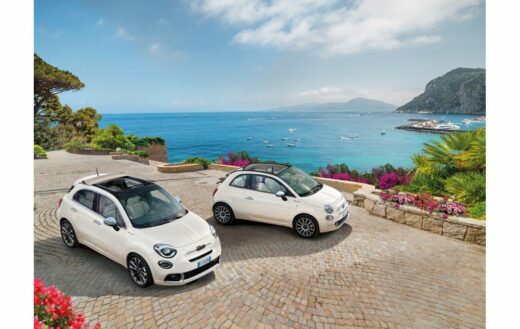
At an unbelievable 3.8 litres of fuel consumption per 100km, this tiny car goes beyond the extra mile getting you where you need to go.
Fiat does offer this car in a sport model, and both are available in hatchback and cabriolet guise.
Expect to have the claimed fuel consumption go up to 4.0 L/100km if you opt for the sport variant.
Pricing starts from R223 900.
2. Suzuki Celerio 1.0 GL Automatic
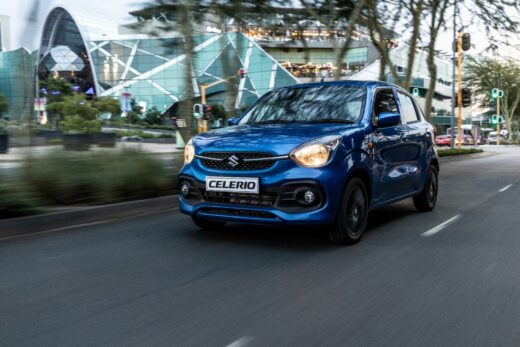
The Celerio is an automatic car which claims a fuel consumption of 4.2 L/100km, while manual variants go up to 4.4 L/100km.
Its 3.0 cylinder 1.0-litre petrol engine is paired with either an automatic or manual 5-speed transmission.
Pricing starts from R194 900.
3. Mahindra KUV100 Nxt

All the way from India, the quaint Mahindra KUV100 Nxt boasts fuel consumption of 4.3 L/100km.
The car is powered by a 1.2-litre, 3 cylinder petrol engine which is mated to a 5-speed manual transmission.
Pricing starts from R240 999.
4. Toyota Agya 1.0
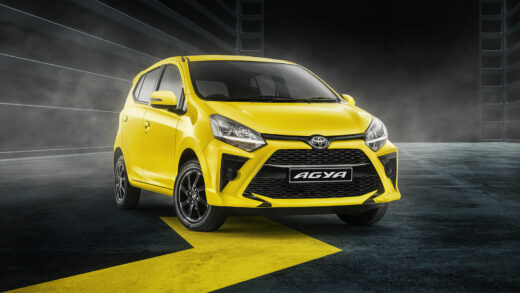
A new entry level car from Toyota, the Agya, is the manufacturer’s new budget car which takes over the old Aygo.
A somewhat sexy little car, it is powered by a naturally-aspirated, 3 cylinder 1.0-litre petrol engine which is mated to a 5-speed manual transmission, or a 4-speed automatic transmission.
Toyota claims a 4.8 L/100km fuel consumption for the manual, while the automatic comes in at 4.9 L/100km.
Pricing starts from R192 300.
5. Suzuki Swift 1.2
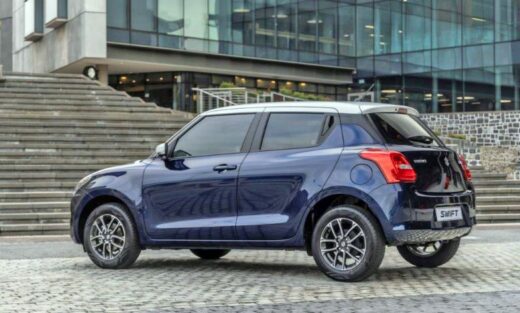
Definitely one of the better looking budget fuel cars money can buy, the Suzuki Swift offers an economical 1.2-litre petrol engine with 61 kW and 113 Nm.
Available in either a 5-speed manual or 5-speed automatic transmission, the Swift claims 4.9 L/100km fuel consumption.
Other variants in this Suzuki range, the Dzire, Ignis and S-Presso, offer the same.
Pricing starts from R156 900, going up to R204 900 for base models.
Can’t trade in your old car just yet?
These fuel saving tips will help:
1. Plan your travelling
One of the best ways to save fuel is to drive less.
This can be done by proper planning, for example instead of going to the mall every day, rather allocate a bit more time and go once a week and do all your shopping.
If you need to travel a fair distance for appointments, try to group them with other stops that you need to make in the same area.
Where possible avoid rush hour.
Travelling during peak hour means a longer journey time wise with more stop-start driving.
2. Change your driving style
The way you drive your vehicle is the biggest contributor to how much fuel it uses.
Avoid speeding up between intersections and excessively revving your vehicle.
A smooth, gradual acceleration technique is the most economical way to drive, as is maintaining a constant speed on the highway and sticking to the speed limit.
3. Limit your use of air-conditioning
Your car’s air conditioner can contribute as much as 5% to your fuel bill, especially when stationary.
A good idea is to turn it off when you are standing still and switch it back on once you are up to speed.
4. Check your tyre pressure regularly
Underinflated tyres are a huge contributor to unnecessary fuel consumption.
Tyres should be checked regularly and inflated according to the manufacturer’s specifications for the load you are carrying.
The correct pressures are normally found in the doorframe or fuel flap of your vehicle or in the owner’s manual.
5. Lose that extra weight
Extra weight in your vehicle also pushes up fuel consumption.
Remove any non-essential items such roof racks and bicycle carriers that not only add weight, but also disrupt the aerodynamic properties of your vehicle.
While these tips will go a long way in saving you a few Rands, having the right vehicle for the job is the easiest way to save money.
Follow The North Coast Courier on Facebook, Twitter, Instagram & YouTube for breaking news
Telegram Broadcast Service: https://t.me/joinchat/yJULuN8NaCs5OGM0
WhatsApp Broadcast Service: Add The Courier to WhatsApp at 082 792 9405 and WhatsApp your name and surname to be added.
Stay in the loop with The North Coast Courier on Facebook, X, Instagram & YouTube for the latest news.
Mobile users can join our WhatsApp Broadcast Service here, or if you’re on desktop, scan the QR code below.