

Illegal fishing threatens uThukela Banks marine protected area
Offshore trawling and upriver netting both pose a significant risk.
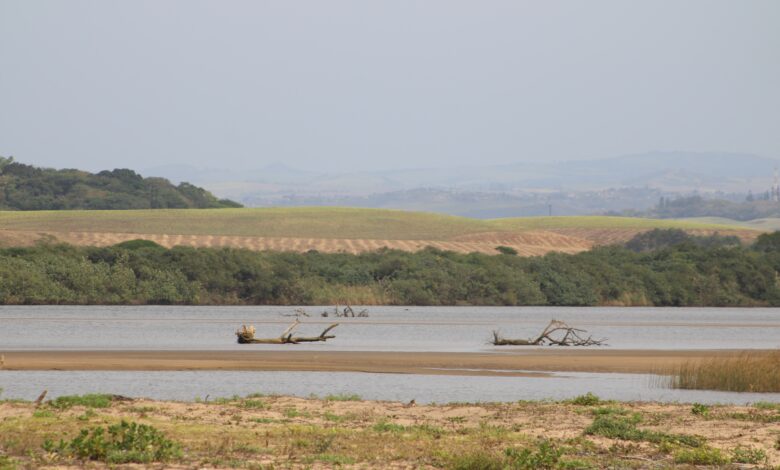
Authorities and conservationists are stepping up efforts to curb illegal fishing in the uThukela Banks Marine Protected Area (MPA), warning that the practice threatens to undo years of ecological recovery.
Stretching 85km from Tinley Manor to the Umlalazi River near Mtunzini, the MPA was declared in 2019 and has since shown signs of recovery, as reported in last week’s edition, ”Local shores reawaken”.
But the gains are under threat from illegal fishing, which conservationists say is undermining the area’s biodiversity.
Dr Welly Qwabe, a marine ecologist with Ezemvelo KZN Wildlife (EKZNW), voiced concern over the escalating problem.
“The over-exploitation of fish through illegal fishing without permits and the illegal use of gill nets upstream indiscriminately targets all fish,” said Qwabe.
The protected zone includes endangered mud habitats and fish species reliant on the Tugela River, South Africa’s second largest, as well as nursery areas and spawning grounds for commercially important linefish and endangered sharks.
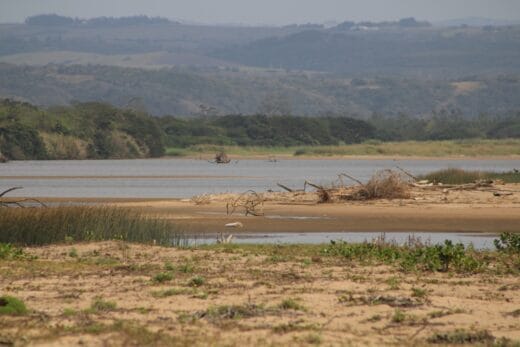
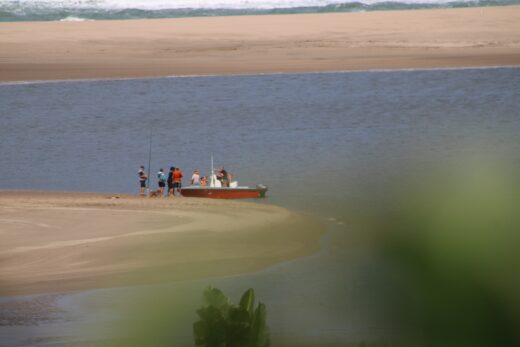
“Some fishermen are using recreational permits for commercial purposes and using unregistered vessels to trawl the MPA. While on the river, fisherman catch undersized fish and sell them for commercial gain,” Qwabe added.
Local anglers have also raised concerns. Nick Nel, a Proteas angler and committee member of the Zinkwazi Ski Boat Club, said fishing in restricted offshore areas is happening regularly.
ALSO READ: Sea life thriving in uThukela Banks marine protected area
“There are anglers who fish illegally and mostly at night. Some are commercial fishing vessels; we see their lights from the beach and our houses,” said Nel.
“They take a chance at night. If it is not monitored, it will become a serious problem.”
In response, EKZNW says enforcement has been increased, but whether this will be enough to combat the issue remains to be seen.
Spokesperson Musa Mntambo said joint patrols are being carried out with law enforcement agencies, including the Department of Forestry, Fisheries and the Environment, WildTrust and Saps.
“We have an increase in day and night shore patrols, with a stop-and-search strategy. We generated small-scale fish forums and community engagement campaigns within our marine protected areas to reduce all illegal activities within our restricted zone,” Mntambo said.
Satellite monitoring is now being used to track activity in restricted zones, while legislative changes are being implemented to target offenders.
“We also have a WildTrust team which are collecting data on all activities within our marine protected area beaches,” added Mntambo.
Stay in the loop with The North Coast Courier on Facebook, X, Instagram & YouTube for the latest news.
Mobile users can join our WhatsApp Broadcast Service here or if you’re on desktop, scan the QR code below.

Stay in the loop with The North Coast Courier on Facebook, X, Instagram & YouTube for the latest news.
Mobile users can join our WhatsApp Broadcast Service here, or if you’re on desktop, scan the QR code below.