
Hundreds dig in for better beaches on International Coastal Cleanup Day
More than 50kg of waste was recovered from Zinkwazi, Blythedale and Ballito beaches.
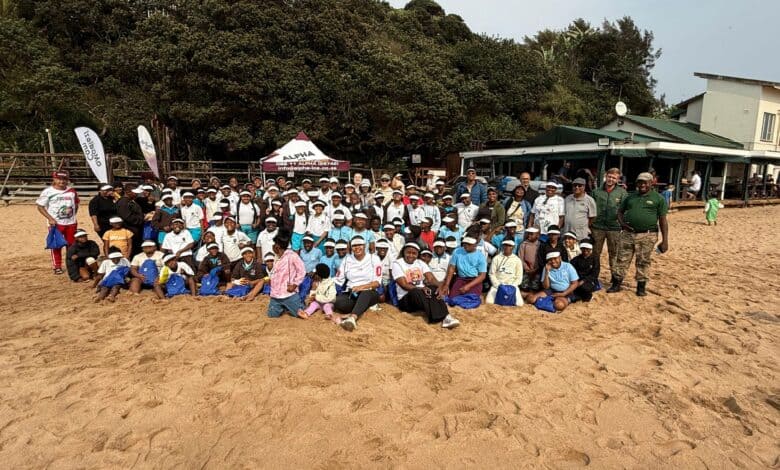
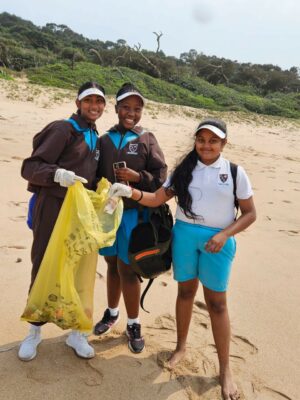
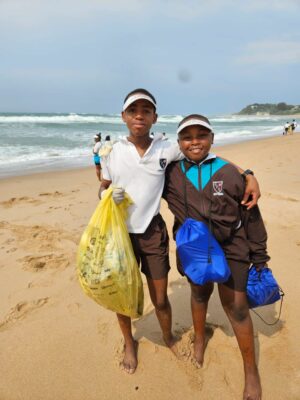
The North Coast saw a wave of environmental action on Saturday as more than 300 volunteers, including children from 27 schools, participated in the 2025 International Coastal Cleanup.
Volunteers removed nearly 50kg of beach waste – including dangerous nurdles – during the clean-up organised by the Ezemvelo uVemvane Tugela Honorary Officers on Ballito, Blythedale and Zinkwazi beaches.
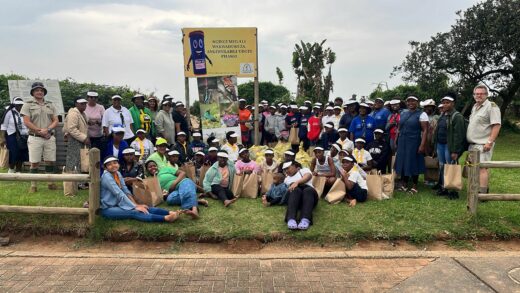
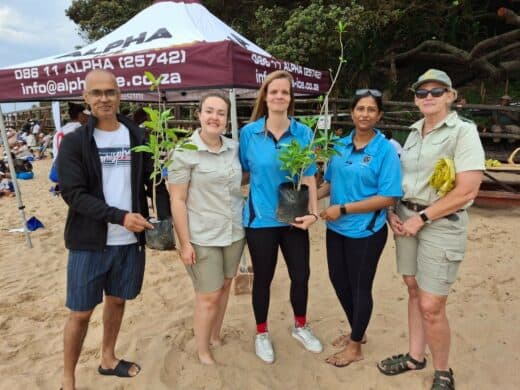
Carla Nel, head of logistics, operations and sponsorships for this year’s initiative, led the Zinkwazi clean-up effort. The event underscored the importance of community involvement in protecting marine ecosystems and keeping coastal areas clean.
Carla (29), born and raised in Zinkwazi, was thrilled with the number of volunteers.
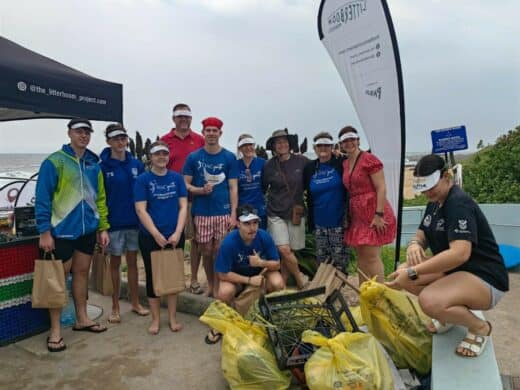
“We are so happy with the great turnout of kids,” said the Darnall Primary School Grade 6 teacher.
“We had loads of volunteers and parents from four local schools to clean up the beaches and the weather held for the first time in a long time. We also want to thank Zinkwazi, Ballito and Blythedale Ski-boat Clubs for protecting and conserving their local areas.”
Zinkwazi, located within the uThukela Banks Marine Protected Area, saw 12kg of rubbish removed from a 10km stretch between Boiling Pots and Jamie’s Beach.
“The Zinkwazi beaches were a lot cleaner than we expected,” noted Carla.
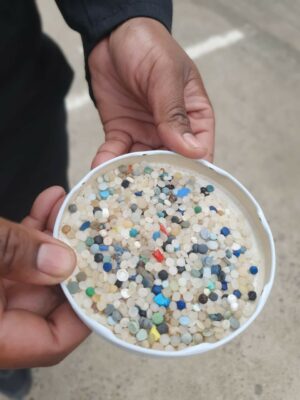
Blythedale Beach yielded 10kg of rubbish, while Ballito’s Willard Beach saw 25kg collected. Despite the cleaner-than-expected conditions, volunteers encountered troubling debris. Among the waste were nurdles (small plastic pellets), alongside larger plastic waste, glass and tin cans.
Nurdles have been a problem locally since October 10, 2017, when the MSC Susanna lost two containers overboard while moored in Durban harbour during a storm. These containers were loaded with about 49 tonnes of polyethylene nurdles, that have since spread along hundreds of kilometers of coastline.
Nurdles attract and absorb toxins from the ocean, which can build up in animals that consume them, posing a threat to the entire marine food chain. The small pellets look similar to fish eggs.
“We found the dunes to be the worst affected area because the wind blows the rubbish up and into the dunes, where it just accumulates.”
More concerning were the remnants of religious and fishing activities, which the unpaid Ezemvelo KZN Wildlife volunteers cannot control.
“We also found a lot of syringes, but no needles, which is very strange and troubling. There was also a lot of discarded fishing line and lures, which entangle birds and marine animals. This is a terrible death!”
Stay in the loop with The North Coast Courier on Facebook, X, Instagram & YouTube for the latest news.
Mobile users can join our WhatsApp Broadcast Service here or if you’re on desktop, scan the QR code below.

Stay in the loop with The North Coast Courier on Facebook, X, Instagram & YouTube for the latest news.
Mobile users can join our WhatsApp Broadcast Service here, or if you’re on desktop, scan the QR code below.