

The science behind the slimming shots with dietitian Claire McHugh
GLP-1 injections like Ozempic, Mounjaro and Wegovy have become an increasingly hot topic over the last few years.
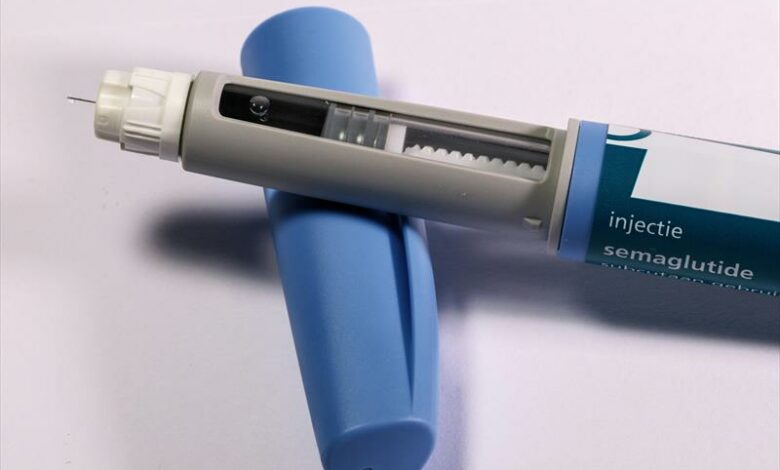
Weight-loss injections like Ozempic are transforming treatment for obesity and type 2 diabetes, but experts stress that medication alone is not the solution.
GLP-1 injections, including Ozempic, Mounjaro and Wegovy, are increasingly discussed, from doctors’ rooms to around the braai. While these medications can be highly effective for some people, understanding how they work and why healthy eating remains essential is key.
GLP-1 is a natural hormone released after eating. It helps regulate blood sugar, slows the emptying of the stomach and signals to the brain that you feel full. GLP-1 medications mimic this hormone, helping people feel satisfied with smaller meals and reducing hunger between meals. They also improve how the body uses insulin, which is why they were originally developed to treat type 2 diabetes before being approved for weight loss in certain individuals.
What are the benefits?
When prescribed and monitored by a healthcare professional, these medications can significantly improve metabolic health.
For many people, GLP-1 medications can:
• Support meaningful, sustained weight loss
• Improve blood sugar control
• Reduce some heart disease risks
• Decrease constant hunger and cravings
And the downsides?
Like all medications, GLP-1 injections can cause side effects. Common ones include nausea, constipation, heartburn and reduced appetite, sometimes to the point where people struggle to eat enough.
Rapid weight loss may also result in muscle loss, fatigue or nutrient deficiencies if food intake is poorly managed. Importantly, the medication does not teach healthy eating habits. Without lifestyle support, weight regain is common once treatment stops.
Cost and access can also be barriers and these drugs are not suitable for everyone.
Why working with a dietician matters:
Because appetite is reduced, food quality becomes even more important. A dietitian can help ensure adequate protein intake, protect muscle mass and prevent nutrient deficiencies.
They can also help manage side effects, guide portion choices and support long-term eating habits that continue beyond the medication.
GLP-1 medications are powerful tools, but they work best alongside medical supervision, balanced nutrition, regular movement and behaviour support. When medication and lifestyle changes work together, long-term health improvements are far more likely than short-term weight loss alone.
Nutrition Innovated dietitian and lactation consultant Claire McHugh has over 20 years experience. Specialising in infant and paediatric nutrition, Claire emphasises the importance of nourishing the entire family. Claire is based at Northcare Medical in Simbithi. Contact: 032 815 0630.
Stay in the loop with The North Coast Courier on Facebook, X, Instagram & YouTube for the latest news.
Mobile users can join our WhatsApp Broadcast Service here or if you’re on desktop, scan the QR code below.

Stay in the loop with The North Coast Courier on Facebook, X, Instagram & YouTube for the latest news.
Mobile users can join our WhatsApp Broadcast Service here, or if you’re on desktop, scan the QR code below.