

Safety during intimate medical treatments starts with consent: Know your rights
Pelvic health physiotherapy requires specialised clinical knowledge, compassion, professional boundaries and a trauma-informed approach.
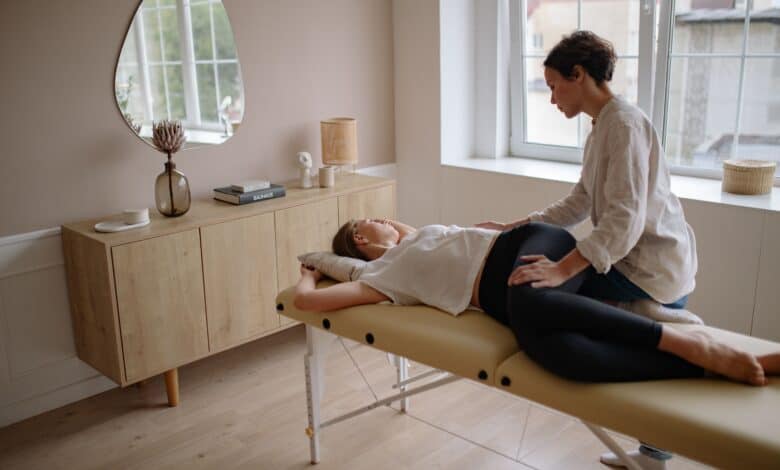
After 15 years working in pelvic and women’s health, I have come to understand what a vulnerable space healthcare practitioners enter when treating patients.
Women seeking pelvic healthcare may have experienced birth or sexual trauma, surgery, bladder or bowel problems, chronic pelvic pain, miscarriage, endometriosis or pelvic organ prolapse. For many, seeking help takes courage.
Pelvic health physiotherapy therefore requires specialised clinical knowledge, compassion, professional boundaries and a trauma-informed approach.
What is an internal assessment?
Pelvic health physiotherapy addresses conditions affecting the pelvic floor, bladder, bowel, sexual function and pelvic health.
Not all physiotherapists perform internal pelvic examinations. Vaginal or rectal assessments require appropriate postgraduate education, specific training and clinical competence. Patients should feel comfortable asking about a practitioner’s qualifications and experience.
An internal assessment can provide information about pelvic floor muscle strength, co-ordination, tightness, pain and pelvic organ support. It may be useful when managing incontinence, constipation, pelvic pain, painful intercourse, prolapse and some pregnancy or postpartum concerns.
Importantly, an internal assessment is a clinical tool, not a treatment requirement.
Before an examination, the physiotherapist should discuss your symptoms and medical history and explain why the assessment is recommended and what it involves. With informed consent, an assessment is generally performed using a gloved, lubricated finger. The practitioner should explain each step throughout.
Consent is ongoing
An internal examination is intimate and informed consent is essential.
If something does not feel right during an assessment, you do not need to ignore that feeling. You have the right to ask questions, discuss alternatives, decline the examination, request a chaperone or support person, ask for modifications and stop the examination at any time.
Saying yes at the beginning does not mean you have agreed to everything that follows. If you say stop, the examination should stop.
Practitioners should also recognise signs of distress and pause to check whether it is appropriate to continue. There should never be pressure, coercion or embarrassment used to obtain consent.
Know who is treating you
Patients should ensure their practitioner is appropriately qualified and competent and that the assessment falls within their professional scope.
Being a physiotherapist does not automatically mean someone is trained to perform internal pelvic health assessments. Patients can ask about qualifications, registration, postgraduate training and experience.
If you believe your consent was not respected or professional boundaries were breached, concerns can be raised with the practitioner or practice. Serious or unresolved matters can be referred to the relevant statutory council, including the Health Professions Council of South Africa (HPCSA) for physiotherapists.
Good pelvic healthcare should leave patients feeling safe, respected, heard and empowered. Your body. Your questions. Your choice. Your consent.

Salt Rock resident Tarryn Graham has a BSc in physiotherapy from Stellenbosch University, and has a special interest and further training in women’s health physiotherapy and sexual health. She has 15 years’ experience in women’s health and pelvic floor physiotherapy.
Stay in the loop with The North Coast Courier on Facebook, X, Instagram & YouTube for the latest news.
Mobile users can join our WhatsApp Broadcast Service here, or if you’re on desktop, scan the QR code below.