

How teachers are adapting homework for the rise of generative AI
Research is often better tackled in class, where pupils can learn to use AI as a tool without relying on it to do the thinking for them.
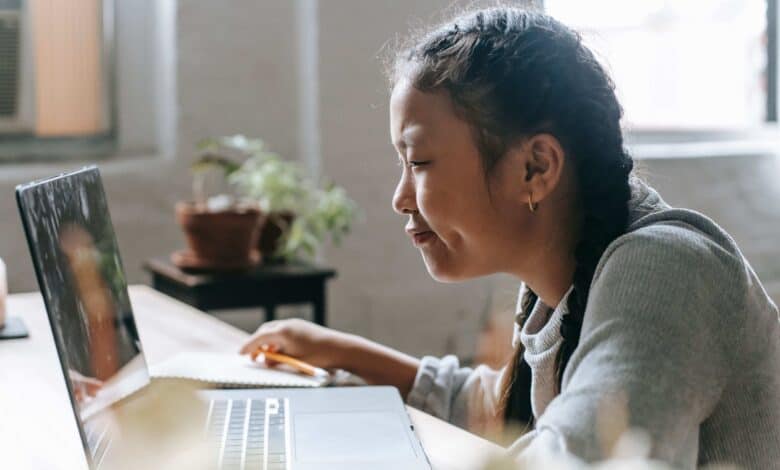
Generative artificial intelligence is changing more than how pupils find information, it is prompting teachers to reconsider what homework should achieve in the first place.
At Reddam House Ballito, teachers Leigh Mastenbroek and Lelani van der Merwe are seeing AI influence assignments in very different subjects. Mastenbroek, who teaches Social Sciences to Grades six and seven, is less inclined to set straightforward research questions that can simply be fed into an AI tool.
“I have redesigned a lot of tasks to include personal opinions, analysis of sources, application of knowledge or a creative element that requires more individual thinking,” she said.
Research is often better tackled in class, where pupils can learn to use AI as a tool without relying on it to do the thinking for them.
“When students use AI as a study partner rather than a shortcut, it can make a massive difference,” says Mastenbroek.
It can help explain difficult concepts, generate practice questions and identify gaps in understanding. But pupils also need to question its answers and develop their own judgement.
Art teacher Van der Merwe, who teaches Grades one to seven, has encountered a different challenge.
Most of her work is practical and classroom-based, but her Grade seven character concept project includes digital planning. This year, pupils were allowed to use AI to help generate their final characters, provided they could demonstrate the research and inspiration behind their designs.
It did not always work as intended.
Some pupils generated a character first and then worked backwards to find inspiration images that supported it.
“My whole project needs a rewrite for next time,” says Van der Merwe, who plans to introduce clearer rules around AI use.
She nevertheless saw its potential, particularly for pupils who struggled to visualise their ideas.
“It gave them the opportunity to give life to the idea in their mind,” she says.
The AI-generated character remained only a reference. Pupils still had to draw and colour the final artwork themselves, while fully AI-generated concept posters were not accepted.
Both teachers believe the answer is not simply to pretend AI does not exist.
For Mastenbroek, traditional, screen-free tasks remain valuable for consolidating skills and encouraging independent thought. AI-based activities can also teach pupils how to use the technology critically and responsibly.
Van der Merwe similarly believes homework should require pupils to demonstrate where their ideas come from, consult different sources and even cross-check AI-generated information against traditional research.
The challenge for teachers, then, is shifting homework away from simply finding the right answer.
As AI becomes increasingly capable of doing that for pupils, assignments may need to focus more on something harder to outsource: showing how they got there and learning how to think for themselves.
Stay in the loop with The North Coast Courier on Facebook, X, Instagram & YouTube for the latest news.
Mobile users can join our WhatsApp Broadcast Service here, or if you’re on desktop, scan the QR code below.