

It is the first day of September and the third consecutive day of strong South Westerly winds with very few signs of any good rainfall.
With that in mind, I phoned Derrick Coetzee a local resident who has recorded the weather statistics in Ballito for the past 18 years. His winter rainfall statistics give a total of 96 millimetres from the first of May to the end of August this year, which is low but not our worst. In 2010 our total winter rainfall was only 35 millimetres for the same time period. Although it has been very dry, some plants have produced better flushes of flowers for longer periods. Derrick also mentioned his Azaleas have produced one of the most spectacular flowing seasons he has seen.
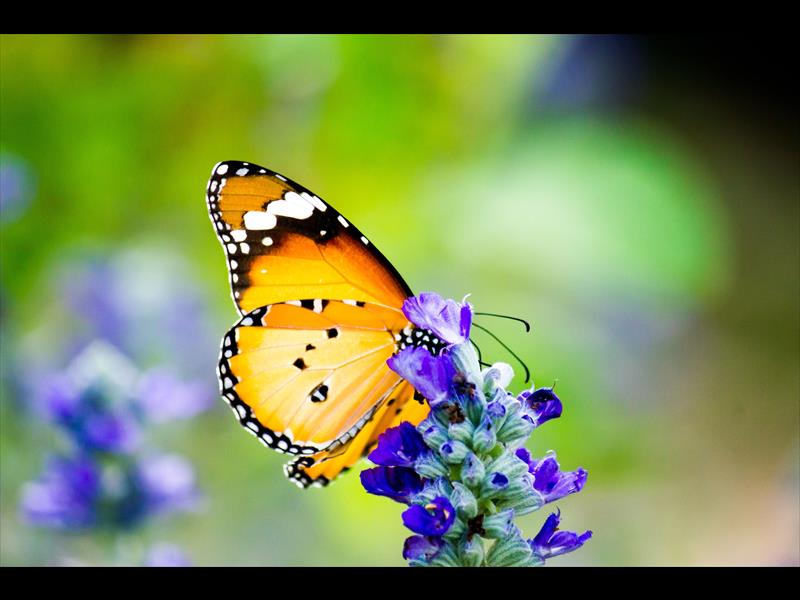
Lavenders also prefer our current conditions and seem to grow in popularity every year with new varieties bearing new colour blooms and different shades of fragrant foliages. Hot areas with well drained soils are the best places to plant Lavender. They also make excellent container plants if planted with a quick draining potting soil. I propagated quite a few varieties of lavender over the years using a semi-hardwood cutting and found that the Spanish and English lavender seem to grow best along our coastline. Lavender Margaret Roberts, an English lavender grows well even in seasons experiencing high humidity and rainfall. If your lavender starts to die back from the base of the plant, it’s an indication of too much water. They require a feed of 3.1.5 slow release fertiliser every six to eight weeks.
I went to the Natal spring trade show last week Wednesday. I was impressed with the large selection of Osteospermum (African Daisy) that are available these days. These indigenous small sprawling shrubs are available in quite a few colours from the original white and purple to yellow, bronze and burnt shades of orange. If it is bright colours in a sunny area you are after, these should do the job.
Clivias have also started to bloom. These South African treasures love shady areas with well drained soils. When planted in mass they will provide an amazing show in areas where most other plants battle. If your Clivia’s leaves start to turn yellow it is probably receiving too much sunlight. They make excellent pot plants and can be used effectively on patios or shady verandas. These plants are easy to propagate from seed. All you require is a tray filled with quick
draining potting soil in the shade. Push the seeds slightly into the soil keeping the soil damp, not too wet and you should get a good germination rate. Clivias produce orange trumpet shaped flowers over September and October. You can also get yellow Clivias which are rare in the wild but can be bought at most of your local nurseries.
Happy Gardening.
Bruce Long
nursaryballito@bbsgroup.co.za
Stay in the loop with The North Coast Courier on Facebook, X, Instagram & YouTube for the latest news.
Mobile users can join our WhatsApp Broadcast Service here, or if you’re on desktop, scan the QR code below.