

Angling Report – 2 October 2015
Anglers arrived at their favourite fishing spots on Monday morning only to find the surf in a real mess after the strong north easterly the day before. The sea took a bit of time to settle but towards mid-week, anglers were able to cast lines again and offshore anglers were able to put to sea. …
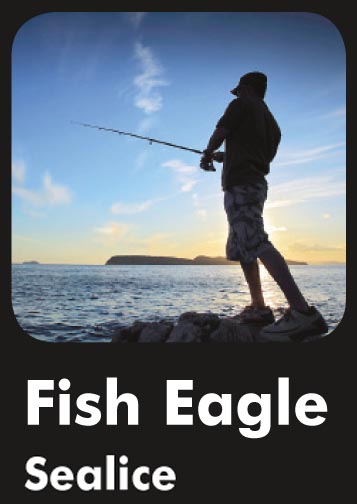
Anglers arrived at their favourite fishing spots on Monday morning only to find the surf in a real mess after the strong north easterly the day before. The sea took a bit of time to settle but towards mid-week, anglers were able to cast lines again and offshore anglers were able to put to sea. Unfortunately low tide coincided with first light and shad anglers struggled to find fish. Reports from some of the popular shad angling spots were that an average of only three to four fish were caught during the prime fishing times. Wednesday is the last day of the shad open season and from Thursday until the end of November anglers may not be in possession of these popular fish as they will be liable for prosecution.
All is not lost however because there are other edible species about and all it means is a change of tackle and bait. On Friday morning an angler fishing with baby squid on an all nylon trace caught a really big stumpnose during the in-coming tide. Other contacts told me of a couple of smaller stumpies that were caught from other local beaches plus one or two nice sized grunter in the Virginia area. Amongst the rocks there have been a few small copper bream caught but anglers have to be patient and be prepared to wait for bites. The best place to find stumpies in the surf is in the turbulent white water next to a sandbank where these fish look in the ‘churn-up’ for food. Although stumpnose can be caught during the daylight hours, the best time is usually in the dark when they seem to bite more freely.
I saw an angler catch a small lesser sandshark one morning last week and on speaking to other anglers I found out that catches of these small sandsharks are becoming quite common. I also saw a couple of bluebottles in the high water mark on the beach after the north easterly wind which could mean that the summer flatfish are not far away. Most of the local anglers do not target these hard fighting fish and use fairly light tackle. When they do hook into a big skate or sandie, the end result is usually a loss of tackle and line and I have seen reels destroyed and rods broken by these big fish.
There has been little news of garrick being caught locally but anglers fishing the upper South Coast beaches have had some nice catches of these fish recently. This could mean that these fish are already on their way back south to cooler waters, but I have caught garrick right up until the end of the month of November in the Tongaat river mouth area before. The best method is with live bait but you could also use fresh fillet baits which could produce a pull from a daga salmon as well. Even though there are usually sharks around in the surf at this time of the year, the idea is to forget about wire traces as the all nylon variety produce the best results.
November is the time that the large blue shad become plentiful in local waters so anglers fishing in the surf should change from fillet baits at night to baits such as crab, sealice and even mussels and there would be more of a chance of shad leaving baited hooks alone. I have found during the past couple of years that fishing light with the drop shot method has produced some excellent sport. I usually fish this method near rocky areas and have caught a variety of fish.
Seas were not exactly ideal for offshore anglers last week but I believe that there were a few big snoek about in some areas and when conditions were not that favourable, anglers still found a few decent bottom fish about.
Sealice
Stay in the loop with The North Coast Courier on Facebook, X, Instagram & YouTube for the latest news.
Mobile users can join our WhatsApp Broadcast Service here, or if you’re on desktop, scan the QR code below.