Waste crisis deepens as protests, dumping, and delays overwhelm communities
Protests, ageing refuse trucks, illegal dumping, and missed collections have exposed deep cracks in Johannesburg's waste management system, forcing residents to take matters into their own hands.
Johannesburg waste company Pikitup faces yet more shutdown issues in few of the depots, as workers demand permanent employment.
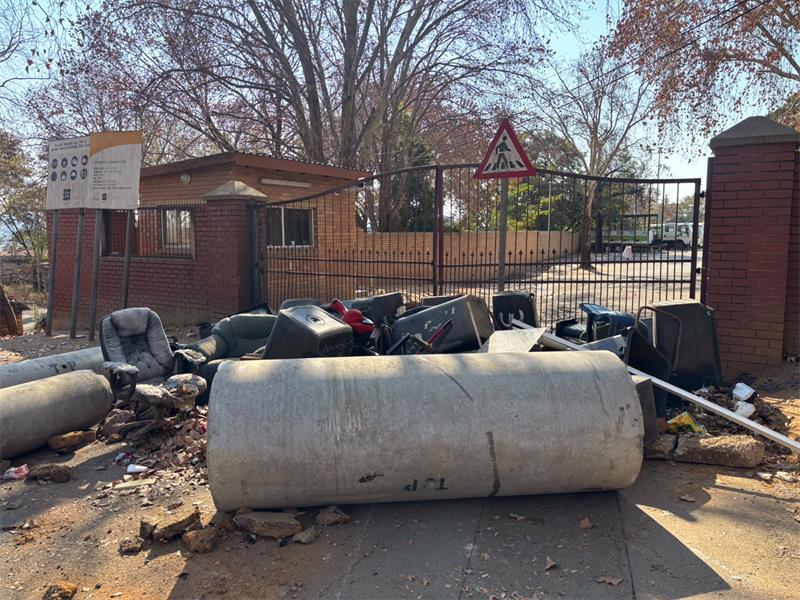
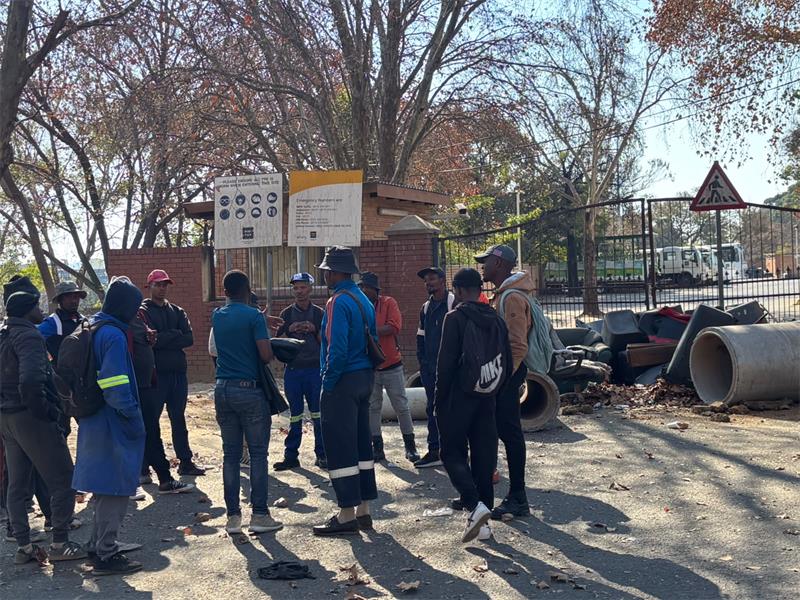
The entity recently informed residents that waste collection services in certain parts of the city are currently experiencing disruptions due to ongoing protest action by casual workers contracted to waste collection service providers. The protesters have blocked entrances to the Marlboro, Waterval, Roodepoort, Randburg, Orange Farm, and Avalon depots, preventing waste collection vehicles and permanent Pikitup employees from leaving the depots to conduct scheduled waste collection services.
The casual workers have once again brought waste collection services to a standstill, demanding that the entity honour a promise to absorb them into permanent positions. Pikitup promised to do so earlier this year, however, months later, they claim no progress has been made, and that management has failed to provide any feedback or timeline on the commitment.
Read more: Calls grow for urgent action as Brixton Cemetery faces dumping, vegetation, and security crises
One of the protesters, Emanuel Mawela, explained that the entity is dragging out the process again. “We have done everything, including the criminal checks and all. We have met with management, but they are not giving us what we need.”
Pikitup issued an official statement, highlighting that its employees are not on strike and remain available to provide waste collection services. However, the blockades have significantly affected the entity’s ability to render services.
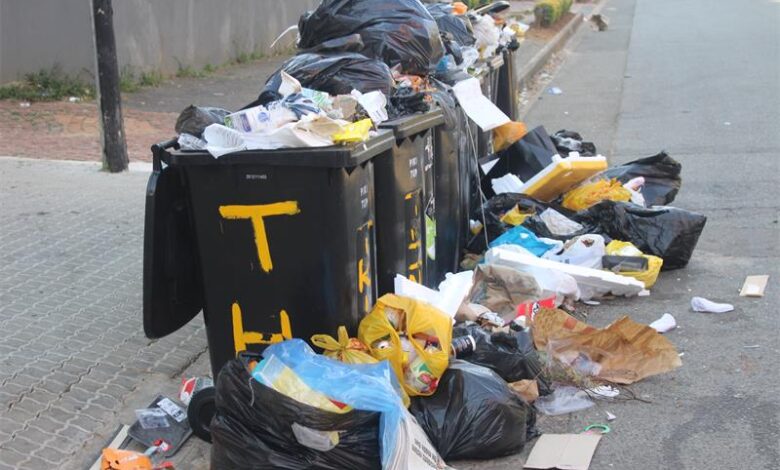
Ward 99 councillor Hendrik Bodenstein explained that some resident’s bins haven’t been collected in six weeks. “It is an environmental and health crisis. Pests and illnesses will cripple our communities, and it all could have been avoided. This is an unacceptable situation where residents pay, pay, and pay.”
Waste crisis piles on
The crisis at the waste utility deepens even more, as illegal dumping and ageing refuse trucks are leaving residents frustrated, while millions of rands are spent clearing recurring dumping hotspots across the city.
Ward 134 councillor Devon Steenkamp said complaints have become almost a daily occurrence since December 2025. According to him, the crisis extends beyond broken refuse trucks. “This is not just a truck problem; it is a wider operational crisis involving poor fleet availability, weak maintenance, growing dependence on contractors, supplier payment problems, and pressure on landfill capacity.”
He said Johannesburg currently has only two functional, city-owned landfill sites, forcing greater reliance on private landfill facilities at additional cost. He believes the city cannot continue managing waste collection through what he described as permanent crisis management.
Pikitup responds to wider cracks in operation
Pikitup spokesperson Muzi Mkhwanazi confirmed the entity currently operates 80 municipal refuse trucks, supplemented by 220 contractor vehicles, giving a total operational fleet of 300 trucks. He acknowledged that financial constraints, ageing vehicles, supplier payment delays, and frequent breakdowns have affected refuse collection services, regardless of securing R5.21m as their approved operating budget, and R345m for a capital budget.
According to Mkhwanazi, Johannesburg currently has 2 176 recurring illegal dumping hotspots, with R94m budgeted during the 2026/27 financial year to clear illegal dumping across the city. He said Pikitup continues working with communities to rehabilitate illegal dumping sites into parks, food gardens, and small business spaces, while also conducting education and awareness programmes.
Also read: Clean Green Group keeps Albertville Park beautiful, despite ongoing illegal dumping challenges
Mkhwanazi added that the city, JMPD, and Pikitup by-law officers continue monitoring dumping hotspots, while newly introduced by-laws now allow authorities to impound vehicles used for illegal dumping.
While City officials work through operational challenges, residents, and community organisations say restoring reliable refuse collection remains essential to improving public health, neighbourhood cleanliness, and confidence in basic municipal service delivery.
Communities step in
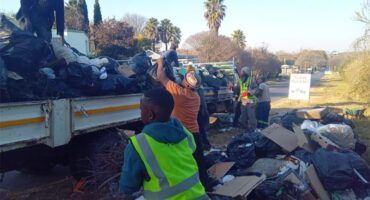
On a more positive note, communities have begun stepping in to keep neighbourhoods clean. Non-profit organisation Let’s Work has removed 12 truckloads of household refuse from Roosevelt Park, Linden, Montgomery Park, and Emmarentia, after residents requested assistance.
Founder Felicity Lawlor said the organisation acted after seeing refuse piling up in neighbourhoods. “Let’s Work exists to help our communities when there is a genuine need. As refuse began piling up because of the ongoing collection disruptions, we knew it wouldn’t take long before bags were being ripped open, rubbish blowing into the streets, and potential health concerns developing.”
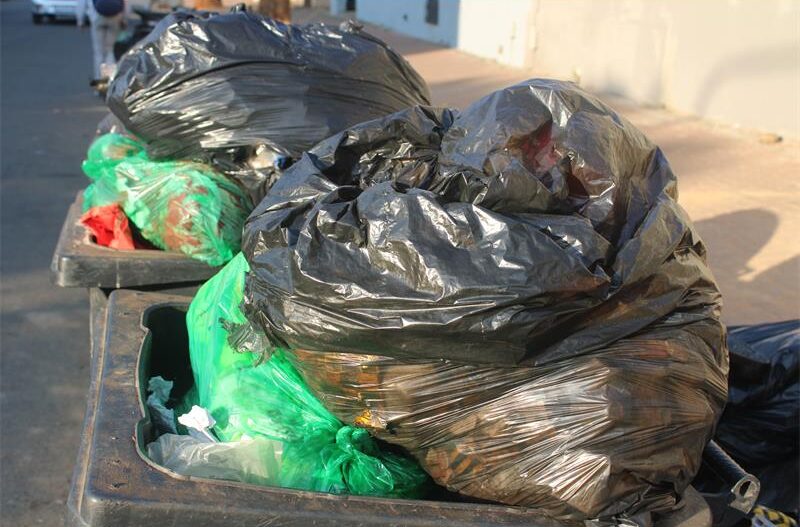
Lawlor said the organisation focused on areas where collections had repeatedly been missed. She said residents played a vital role by volunteering, co-ordinating collections, and contributing towards transport costs.
Lawlor added that volunteers faced challenges, including re-bagging refuse that had already been torn open by recyclers and separating garden refuse from household waste before it could be transported to authorised disposal facilities.
Follow us on our Whatsapp channel, Facebook, X, Instagram, and TikTok for the latest updates!