Do you rage on the road?
JOHANNESBURG - Even the most laid-back person can experience rage behind the steering wheel. But how do you curb road rage?
Road rage and aggressive driving are major problems in South Africa, particularly in urban metropolitan areas where traffic congestion and time urgency contribute to increased levels of frustration among drivers.
“South Africans are notoriously aggressive drivers and although no official statistics of road rage incidents exist, anecdotal evidence suggests that the incidence of road rage is on the rise and that it is a serious threat to our safety on the road,” Dial Direct Insurance spokesperson, John October said.
Following the widely publicised road rage incident in Fourways earlier this week, October offered tips to stay calm behind the wheel.
October said that there are a number of reasons for rage on the road and that people who are prone to aggressive outbursts are more likely to direct their anger at total strangers. However, he points out that even the most laid-back person can take their frustration out on other drivers after a long and stressful day at work.
“Road rage is really just the release of pent-up anger which very often has little to do with driving or traffic. If a person is already at boiling point after an argument with their boss, for example, someone unintentionally cutting them off in the traffic can be all it takes to push them over the edge,” says October.
Do you suffer from road rage? If you answer yes to any of the following six questions, you may be a road-rager.
*Do you regularly exceed the speed limit to get to work on time?
*Do you drive too close to other drivers?
*Do you flash your lights and hoot to let drivers know when they annoy you?
*Do you verbally abuse other drivers whether they can hear you or not?
*Do you frequently weave in and out of traffic to get ahead?
*Do you feel the need to set bad drivers straight?
With this in mind, October says that the onus is on motorists to manage their emotions better while driving.
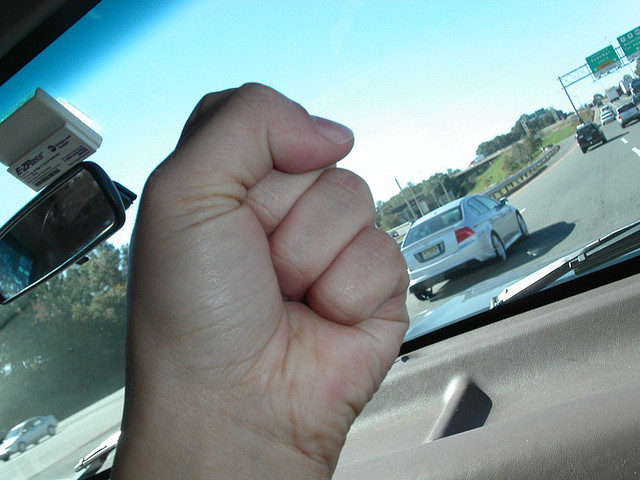
“The trick is not to personalise someone else’s aggression toward you. If someone waves their fists and hoots at you, spitting obscenities at them through your window is hardly going to diffuse the situation. In fact, this kind of behaviour can trigger a road rage incident,” advises October.
How to avoid road rage:
Get enough sleep: Eight hours of sleep can do wonders for alleviating feelings of annoyance and anger.
Plan properly: If you are the type of person who allows just enough time to drive to an appointment, you might be more prone to temper and speeding. Adding 10 minutes to your expected journey time means being able to negotiate road works or other unexpected delays, without worrying about being late, and a calmer drive.
Change the radio channel: Listen to music that relaxes you, rather than hypes you up. Or, use the time to listen to an audio-book of that that novel you’ve been meaning to read for months.
Do relaxation exercises when driving: Flex your fingers and loosen your hold on the steering wheel. When taking a long trip, make sure you get out and stretch your legs every two hours.
Do not take bad behaviour personally: When encountering another motorist’s undesirable driving behaviour, remember that it has nothing to do with you. It is far more likely that that driver was distracted by something in his/her own car, and the ensuing behaviour was not meant to deliberately irk you.
“The reality of city driving means that we are all likely to lose our tempers at some point. However, by planning ahead and keeping things in perspective, we can prevent our emotions from getting the better of us,” October concluded.