
Spring time – grey days for allergy sufferers
NORTHCLIFF – Learn more about your seasonal allergies and tips on how to cure them.
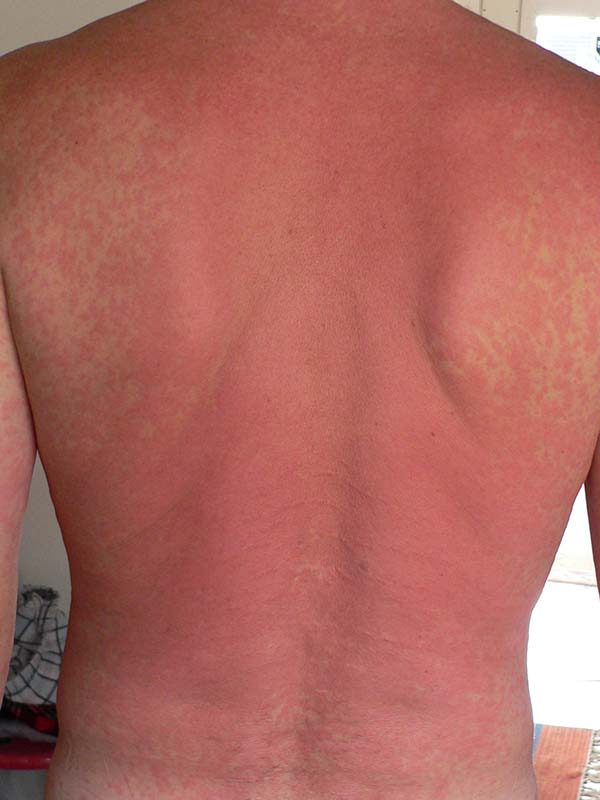
Sunshine, colour, picnics, blossoms – these are just some of the reasons why most people love spring. Unfortunately for allergy sufferers, this tends to be a miserable time of the year.
“As winter ends and blossoms appear, asthma, hay-fever, allergic conjunctivitis and even eczema begin to flare up”, says Dr Nicola Rains, a general practitioner at NHC Health Centres.
According to Dr Rains, allergies are not only caused by pollen. Pets, dust-mites, foods, moulds and room fresheners are also triggers of allergic reactions.
Up to 20 per cent of South Africans suffer from allergic reactions, with those living in the Highveld particularly prone to this condition, according to the Allergy Society of South Africa.
Symptoms of spring allergies include sneezing, wheezing, nasal congestion, runny nose, and watery, red or itchy eyes, headaches and coughing, says Dr Rains.
“Unfortunately it is impossible to fully protect yourself against exposure to pollen, especially with the types of outdoor activities that people engage in during the warm seasons. However, there are a few things that you can do to minimise exposure,” she informs.
Tips:
- If you are going to work in the garden, you could wear a dust mask or wet handkerchief over your mouth and nose.
- Avoid hanging washing outdoors on windy days and refrain from keeping flowers indoors.
- If you are sending flowers to an allergic individual, refrain from choosing allergenic flowers which predominantly include wind-pollinated, darker-coloured plants. The brighter the flower the less likely it is to cause allergies.
“Prevention is better than cure, but if you do experience symptoms associated with spring allergies, there is medical treatment available for relief,” says Dr Rains.
Antihistamines and decongestants are the best treatments for spring allergy symptoms. Antihistamines are available in pill form and are useful for relieving your sneezing, itchy and runny nose. Topical corticosteroids in the form of a nasal spray are the most effective maintenance therapy for intermittent and persistent allergic rhinitis. These should be started two weeks before the onset of the season and continued until it is over.
Allergic conjunctivitis may respond to anti-allergy eye drops but if the redness or irritation persists beyond 48 hours, it is best to seek medical attention.