GALLERY: City of Joburg holds HIV and Aids imbizo to tackle stigma
BRAAMFONTEIN – The Department of Health is working towards zero HIV/Aids by 2030.
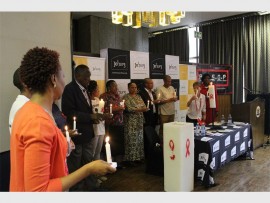
The City of Joburg held an HIV/Aids imbizo on 4 December at the Metro Centre Council in Braamfontein.
In recognition of World Aids Day, the City of Joburg and its partners hosted an imbizo against discrimination against those infected and affected by the pandemic.
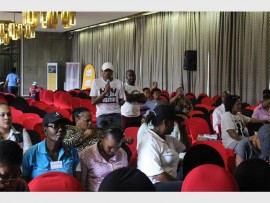
Community leaders, non-governmental organisations, faith-based organisations and health representatives from across the City’s seven regions attended the imbizo.
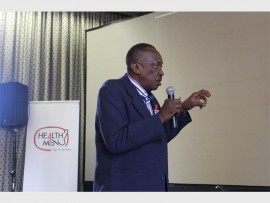
Dr Nombuso Madonsela touched on the HIV/Aids statistics emphasising that by the year 2030, the Department of Health is hoping for zero people living with HIV/Aids. She also mentioned that many people do not know their status and the department will initiate active mobile units to go to communities and set up testing stations. Dr Madonsela also said that 5.7 million people in SA living with HIV/Aids know their status, 4.1 million people who know their status are eligible and are on treatment and there are 3.7 million people on treatment with suppressed viral loads. “The mortality rate has gone down since 2005 from 50.8 per cent to 31.1 per cent in 2014 and the infection rate has gone from 10 per cent in 2008 to 5.8 per cent in 2012,” said Dr Mandonsela. She added that the inconsistency of using condoms is a problem, especially among the youth.
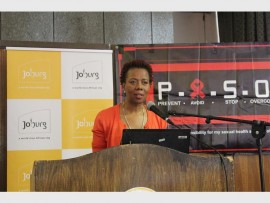
Deputy co-chairperson of the South African National Aids Council Trust (Sanac) Prudence Mabele, who has been living with HIV/Aidssince 1990, spoke about the stigma around the pandemic. She urged people to support each other and also mentioned that HIV/Aids should not be like it was years ago where people would point fingers and be ashamed of it.
South African national network of women living with HIV, Positive Women’s Network (PNW) and Treatment Action Campaign compiled research on the stigma on people living with HIV (PLHIV). Stigma and discrimination towards PLHIV are recognised as barriers to prevention and treatment, and barriers to social and psychological support.
The research focused on different types of stigmas such as external stigma which is done by others through attitudes, rejection, stereotyping and discrimination to PLHIV; internal stigma that happens when PLHIV begin to believe the negative things being said about them, anticipated stigma which is the anticipation or expectation that one will be treated differently or poorly because of the stigmatised identity and courtesy stigma, where a person perceives or experiences discrimination due to their association with PLHIV.
The National Department of Health has a vision for zero new HIV and TB infections, zero HIV and TB-related deaths, zero new infections due to vertical transmission and zero discrimination.