Researchers and the public need to communicate better under Covid-19
AUCKLAND PARK – Better communication is needed in the public sphere regarding the pandemic.
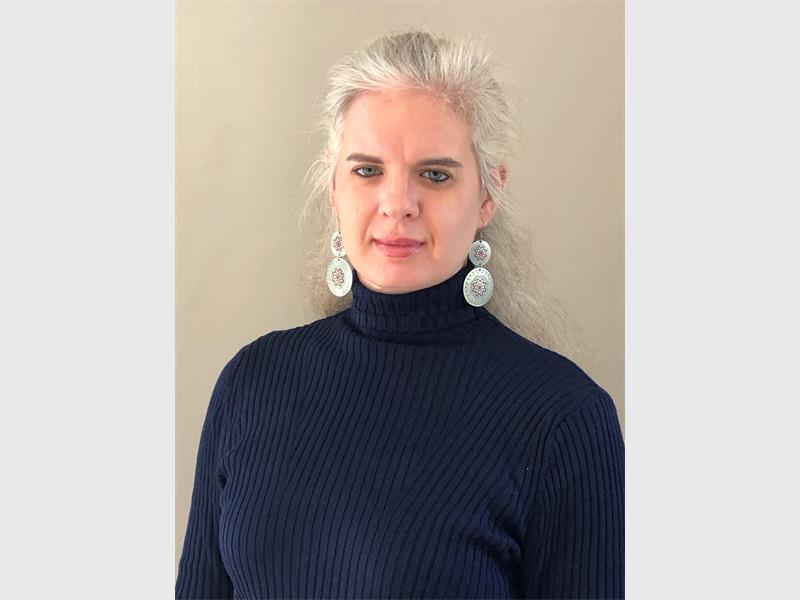
One of the points coming out of the latest University of Johannesburg webinar entitled Data and Delusion After Covid-19, was that better communication is needed in the public sphere regarding the pandemic.
Prof. Charis Harley, an academic based in the Faculty of Engineering and the Built Environment at the university, and someone who has worked as a data scientist, expressed the view that good scientists take time to do research before airing their voices in the public domain.
For this reason, often the first voices we hear regarding global challenges, such as pandemics, are not scientific and probably not very accurate.
“I think for me one of the things that this pandemic actually brought to light was the fact that possibly in terms of communication platforms we do not have the most effective communication platforms,” Harley said.
“Not just among scientists but probably between scientists and government and in this case between laypeople and other forums.”
The professor explained that communication has exploded on social media and people think this is sufficient communication regarding a pandemic such as the Coronavirus.
“I don’t think that is true. When we were doing an assessment of basically what the feeling was towards lockdown… depending on the social media platform we looked at, there was a very clear leaning towards either being pro or against lockdown. So whether looking at Facebook versus Twitter versus another platform… which shows that different people are drawn toward differen platforms.”
She said under serious circumstances such as a lockdown, researchers need a form of communication that will allow them to get data from the whole population, rather than only segments of it.
“So specifically, people that would be influenced by for instance, nutritional programmes being shut down – we need their opinion, not everybody on Twitter. So being able to get out the correct individuals who [can] basically set up the appropriate communication platforms so we can get opinions of the relevant parties. We need to look into this and start assessing are we really communicating as effectively with each other as we can, given the technologies available to us.”
Joining Harley in the webinar as guest speakers were Dr Shakir Mohamed, an expert in machine learning regarding global challenges and senior researcher at DeepMind in London, and Prof. Olaf Dammann, a professor at universities in America, Germany and Norway and an epidemiologist working in the United States.
Other topics of the conversation included machine learning and models researchers should build when looking at pandemics.