Lightning strikes claims a life in Sophiatown
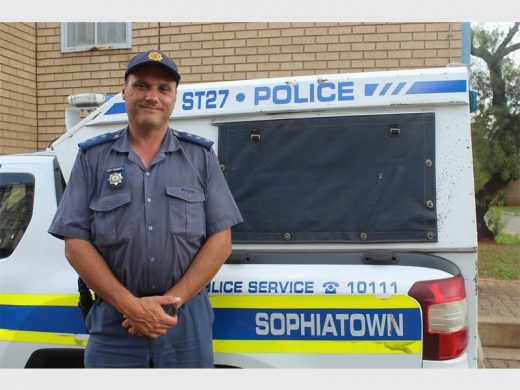
JOBURG – Police confirm that a man passed away on 28 January after being hit by lightning.
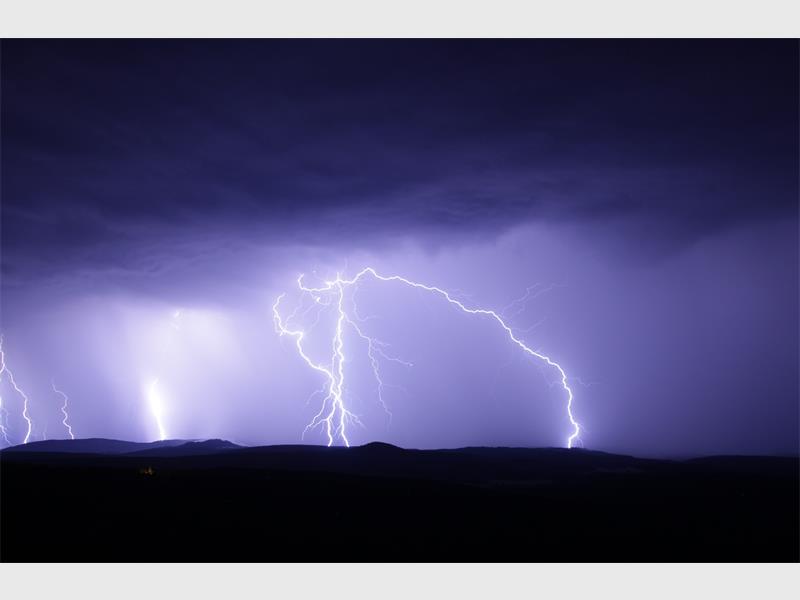
It is estimated that between 500 and 700 people will survive a lightning strike in South Africa annually.
On 28 January a man passed on after apparently being struck by lightning. According to Sophiatown Police Station spokesperson Captain TJ de Bruyn, the man was with his partner when the lightning struck but only he was killed. Medical assistance was called for the man after he had fallen to the ground but nothing could be done to save him. Reports of the man’s death has reminded residents and the public of the October 2020 lightning that took the life of a Melville restaurant worker. Social media users have been asking if the Melville and Sophiatown region has become a lightning hotspot considering the two recent deaths and how deadly it is across the country. As unfortunate as these deaths are, they are normal according to experts.
According to the South Africa Weather Service’s (SAWS) Morne Gijben, there are no official statistics on lightning deaths in South Africa but it is estimated that between 1.5 and 8.8 people per million of the population are killed by lightning each year. SAWS has also gathered on information from newspapers, online newspapers and websites, and data reported by some mortuaries suggests that 80 to 100 people lose their lives to lightning strikes annually. Gijben expressed, “This number is likely an underestimate since lightning deaths might not get reported by the media, some mortuaries might not report the data, and some deaths (especially in rural areas) may not get investigated where a person is buried without an autopsy to establish that lightning was the culprit.”
It is also estimated that annually between 500 and 700 people will survive a lightning strike in South Africa.
Lightning-producing storms such as the ones experienced in the area over the last few weeks are most prevalent over the eastern half of the country, especially high-lying areas. The SAWS’s data on Lightning Ground Flash Density and Total Lightning Risk (recorded between 2006 and 2014) shows that people are at risk from lightning over the entire country, however areas over the central interior are at a higher risk than areas over the Western Cape, for example.
The large number of South Africans still living in less-developed areas are often affected more by lightning than those in urban areas. Gijben explained, “This is due to the fact that people spend most of their time outdoors and have insufficient shelters to protect them from lightning. Informal settlements are particularly vulnerable to lightning, since the houses and structures provide little protection against lightning. Lightning victims in urban areas are often outdoors at the time of the lightning strikes, with an opportunity to seek shelter in a fully enclosed building.