Wits employees go the extra mile for students and academics stranded abroad
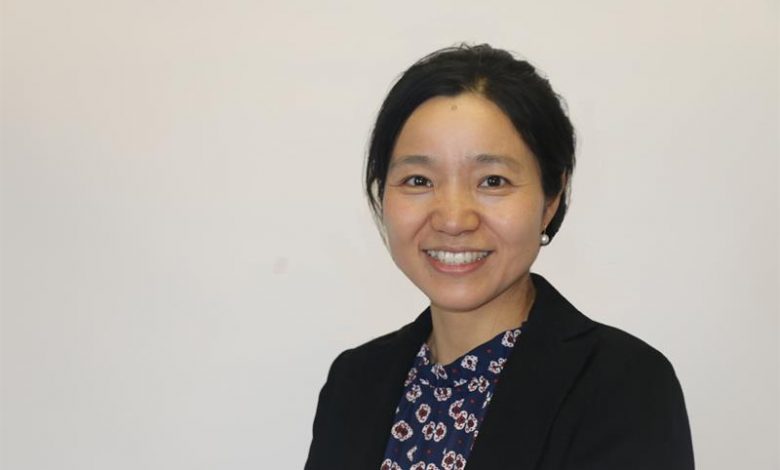
BRAAMFONTEIN – Dr Yan Yang and Alison Simons from the Wits Strategic Partnerships Office supported Witsies who were abroad at the onset of the Covid-19 pandemic.
With the goal to ensure that Wits University students and staff located across the world returned back home safely, employees of the institution’s strategic partnership office worked tirelessly to support them.
This amid the crippling uncertainty experienced at the onset of the coronavirus pandemic.
Dr Yan Yang, the Wits programme manager for East Asia relations, and research manager, Alison Simons, supported Witsies who were either part of an academic exchange programme abroad or were visiting their home countries for the 2019 December break. Their dedication earned them nominations as Wits Covid-19 Heroes.
Yang managed several cases of Witsies abroad including that of a Wits academic who had travelled to Wuhan in late 2019 as part of an academic exchange programme. The academic had to remain in Wuhan after the city went into a hard lockdown in January 2020 and was only repatriated back to South Africa after two months.
Another case she dealt with was of a student returning to South Africa after visiting her family in Wuhan. The student, who managed to leave Wuhan before the hard lockdown, returned to South Africa and remained in quarantine for two weeks.
“It was [about] giving support but also looking at how we could protect the interests of Wits. Especially that of the students and staff as best as we [could] at that point,” said Yang.
After a Wits masters student found herself in Italy when the country had high numbers of confirmed Covid-19 cases, it was Simons who reached out to their partner organisation in Italy to locate the student.
She arranged for the student’s mother to visit Wits and have a virtual reunion with her daughter. This was done because the mom had limited technology skills leaving little chance for communication through email or Facebook.
Yang and Simons acknowledge that the university’s strong relationships with its partners, both internationally and locally, played a crucial role in supporting students and academics stranded abroad.