METRO MATTERS: Behind Joburg’s rubbish crisis
From rapidly filling landfills and an ageing fleet to R170m spent on illegal dumping each year, Pikitup is facing a severe service delivery squeeze. Here is how Johannesburg’s growing waste crisis is threatening both the city’s budget and its most fragile ecosystems.
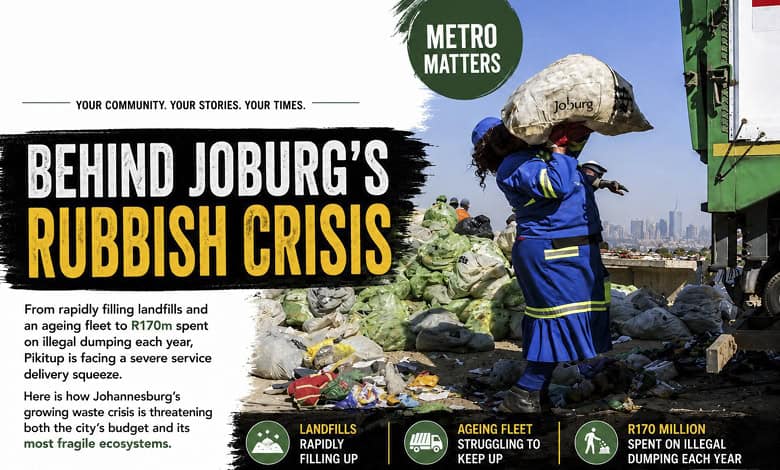
As Johannesburg’s population continues to grow, the city’s waste management entity, Pikitup, is facing mounting pressures that threaten its ability to keep the metro clean.
Pikitup’s 2025/26 business plan paints a picture of an entity struggling with ageing infrastructure, increasing waste volumes, illegal dumping, limited landfill capacity, and budget constraints, while trying to meet ambitious environmental targets.
The entity services more than 908 000 households every week, operating 12 waste management depots, 42 garden sites, four operational landfill sites, and two closed landfill sites for which upgrades are planned.
Pikitup faces major challenges in maintaining service delivery, including:
1. Rapid depletion of landfill space: This could trigger a waste disposal crisis, forcing the city to transport refuse over greater distances and to rely increasingly on expensive privately owned landfill facilities. The entity has budgeted R68m this financial year for disposal fees at private landfill sites but warns that costs will continue rising.
2. Rising costs: Street cleaning alone employs approximately 1 610 workers, accounting for 37% of Pikitup’s workforce, with salaries and allowances costing R617m annually. Overall, staff, fleet, and related operational costs consume approximately 85% of the entity’s total budget.
3. Ageing waste collection vehicles: The entity states that domestic refuse collection has a budget of R1.67b and relies on specialised compactors. However, many vehicles have exceeded their useful lifespan, resulting in rising maintenance costs and service delivery risks. Only six new compactors were delivered during the last financial year. To keep services running, Pikitup has had to rely on hiring vehicles from private suppliers on an ad hoc basis.
Ambitions constrained by funding
Pikitup has committed to reducing the amount of waste sent to landfill by 2040 through recycling and waste minimisation programmes.
However, limited funding continues to restrict progress. Separation-at-source recycling currently operates only in selected areas and community participation remains low. The entity states an estimated R57m would be required to expand the programme city-wide.
Read more: Pikitup collections return to normal, but supplier debt still casts a dark cloud
Climate goals remain in focus
Pikitup is exploring alternative waste treatment technologies, including a proposed waste-to-energy plant through a public/private partnership.
This project is currently in the planning and procurement phase. The city is actively seeking private sector partners to design, build, finance, and operate the facility. The goal is to convert residual waste into electricity, alleviate pressure on the power grid, and recover recyclable materials to reduce landfill dependency.
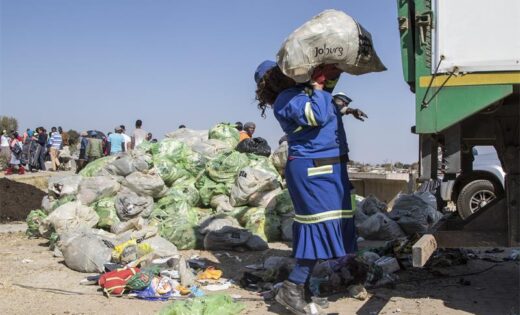
For now, the business plan acknowledges that maintaining reliable refuse collection, while addressing illegal dumping, ageing infrastructure, and diminishing landfill capacity, will remain among Johannesburg’s biggest environmental and service delivery challenges.
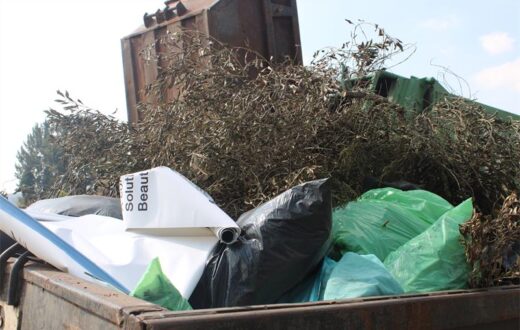
Illegal dumping overwhelms resources
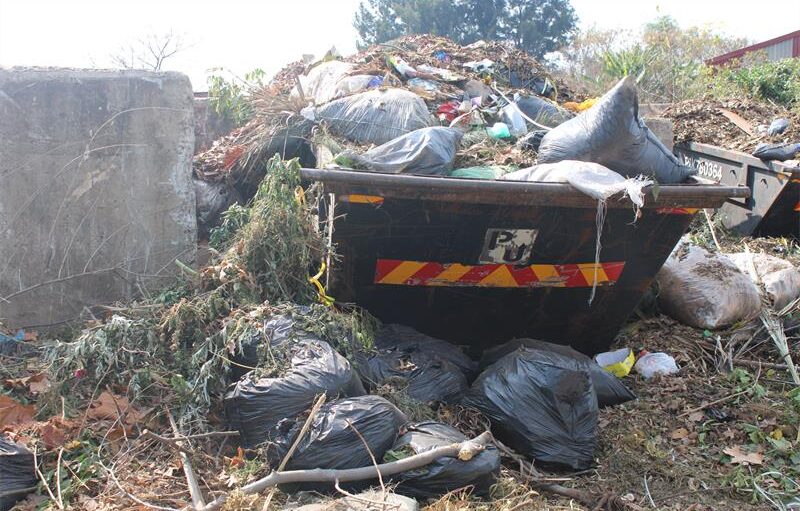
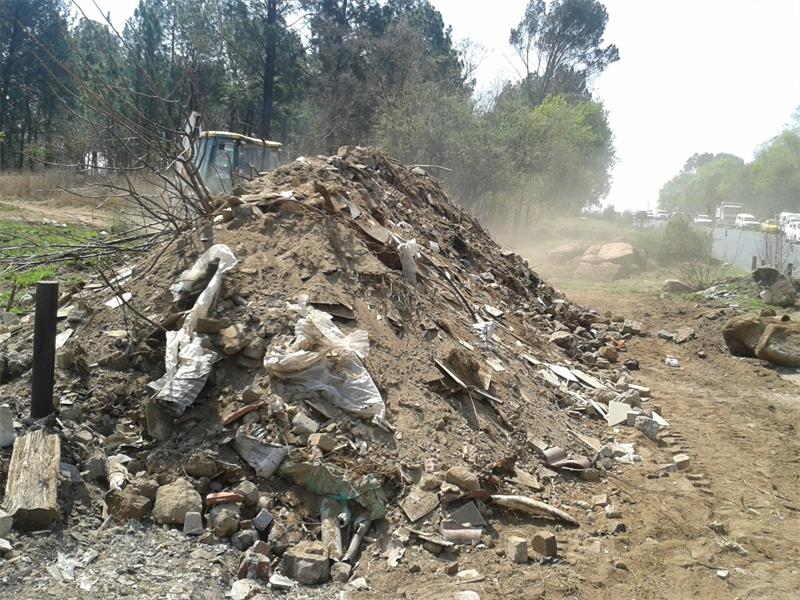
Rapid population growth, expanding informal settlements, backyard dwellings, hijacked buildings, and illegal business dumping are increasing waste volumes.
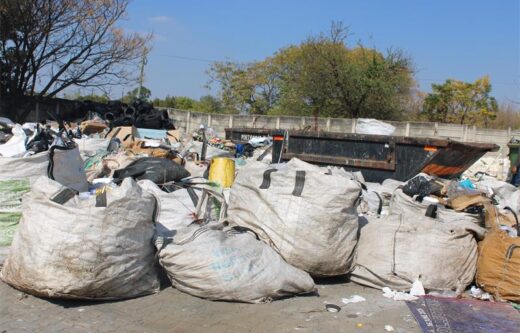
Pikitup spokesperson Anthony Selepe says that the entity spends approximately R170m every year clearing illegally dumped waste. The entity is strengthening partnerships with the JMPD, SAPS, and Johannesburg City Parks and Zoo (JPCZ) to improve enforcement.
According to JPCZ regional manager operations Alton Rankin, illegal dumping has significant environmental, ecological, and social consequences, including pollution of soil and water, damage to natural habitats and ecosystems, destruction of indigenous vegetation, increased spread of invasive plants, and reduced biodiversity through habitat degradation.
Also read: Pikitup responds to contract workers protest at the Waterval depot
Public safety impacts include:
• Increased risk of fires,
• Attraction of rodents, insects, and other disease vectors,
• Creation of hiding places that may contribute to criminal activity,
• Physical hazards from sharp objects, hazardous waste, and unstable debris, and
• Reduced accessibility and usability of parks.
Report illegal dumping to Joburg Connect Call Centre: 0860 562 874 or 011 375 5555, or JMPD Emergency/By-Law Hotline: 011 375 5911
The hidden cost of illegal dumping
As Johannesburg battles mounting waste management challenges, an environmental expert warns that illegal dumping is causing irreversible damage to some of the city’s most fragile ecosystems.
Greater Kyalami Conservancy chairperson Kristin Kallesen said illegal dumping is accelerating the destruction of one of Gauteng’s rarest ecosystems, the Egoli Granite Grassland. “Egoli Granite Grassland is an endangered grassland type, with Kyalami having some of the last remaining pockets in the world.”

The grassland supports an exceptional variety of indigenous plants, including wildflowers and naturally occurring orchids that are becoming increasingly scarce. “Illegal dumping and land clearing are removing these species. Once an area has been tarnished, invasive weeds take over and choke out indigenous vegetation.”
Also read: METRO MATTERS: Illegal connections and debt deepen crisis at City Power as losses near 27%
Kallesen said restoring damaged grasslands to their original ecological condition is extremely difficult. She said wildlife is increasingly scavenging through dumped waste as natural habitats shrink.
“We are finding jackal droppings containing plastic, showing they are feeding on waste. This is partly because there are fewer prey species once natural land has been transformed.”
She added that hazardous waste introduces toxins into the environment that affect both wildlife and domestic animals. “As habitats disappear and pollution increases, animals lose both shelter and food sources.”
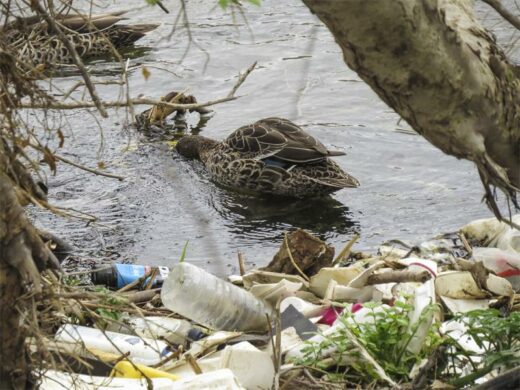
The conservancy has also documented impacts on wetlands, rivers, and streams. Kallesen said dumping blocks natural water flows while contaminating ecosystems with oils, chemicals, and other pollutants. “We have even witnessed sewage trucks illegally discharging waste into rivers.”
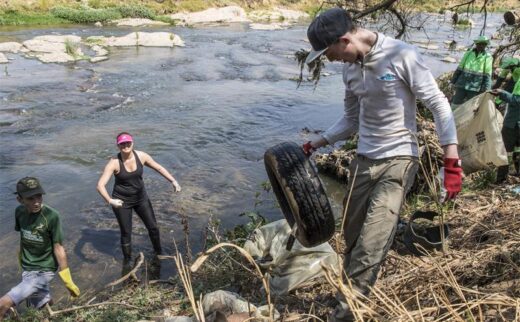
Research shows that microplastics contaminate almost every natural environment. “Microplastics reduce the fertility of many aquatic species, leading to declining populations and reduced biodiversity.” Polluted wetlands also provide poorer habitat and fewer feeding opportunities for birds, amphibians, and other wildlife.
Also read: Metro Matters: Johannesburg’s sewage crisis reaches breaking point
Kallesen described amphibians as important indicators of ecosystem health. “As every link in the ecological chain is damaged or removed, the entire ecosystem suffers.”
She also warned that illegally dumped waste often catches fire during veld fires, releasing dangerous pollutants into the atmosphere. “Johannesburg already experiences some of the worst air quality in the country. These additional toxins pose serious health risks for vulnerable residents.”
Unlike many other forms of pollution, the environmental damage caused by illegal dumping can persist for decades.
Kallesen warned that toxins from waste seep into groundwater, creating risks for residents who still depend on boreholes. She said both people and animals could ultimately consume contaminated groundwater.
Kallesen believes prevention is far more effective than rehabilitation. She urged residents to take responsibility for ensuring their waste is disposed of legally. “If you hire someone to remove garden refuse, recycling, or building rubble, ask for proof of where it has been taken.
There are legitimate waste disposal and recycling facilities available.”
Follow us on our Whatsapp channel, Facebook, X, Instagram and TikTok for the latest updates!