Johannesburg has enough water, Johannesburg Water just can’t manage it properly
On top of a poor ability to manage the water entity on an operational level, the funding shortfalls are crippling for the maintenance and replacement of ageing infrastructure which causes leaks, pipe bursts and more – leaving many residents desperate.
JW score: 3.5
Caxton score: 2
Few things in life are certain, but a quick fix to Johannesburg’s ongoing water crisis is impossible.
Read more: Firefighters help JW identify problem water hydrants across the city
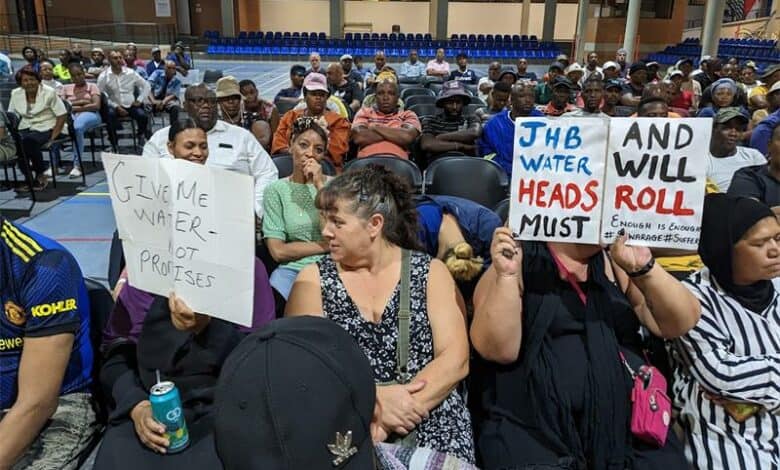
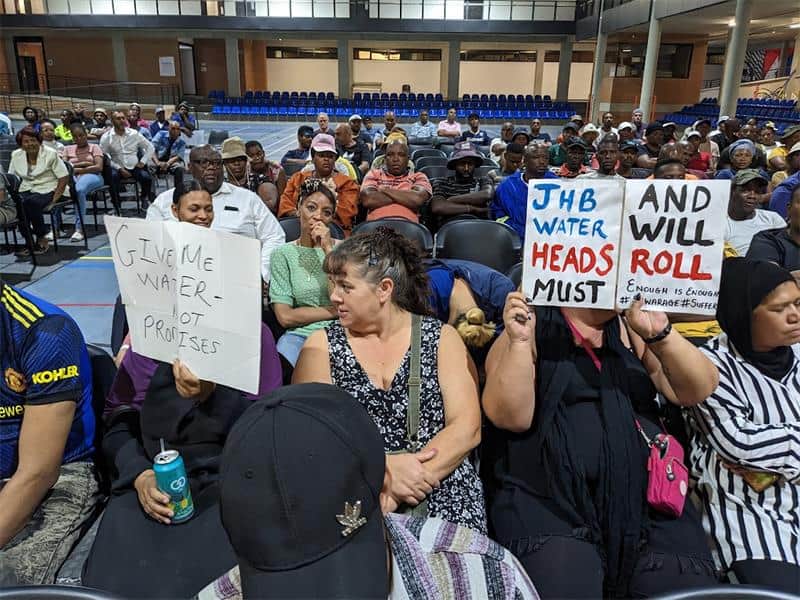
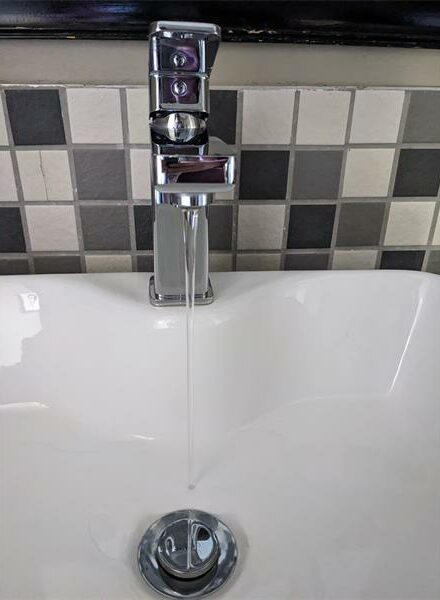
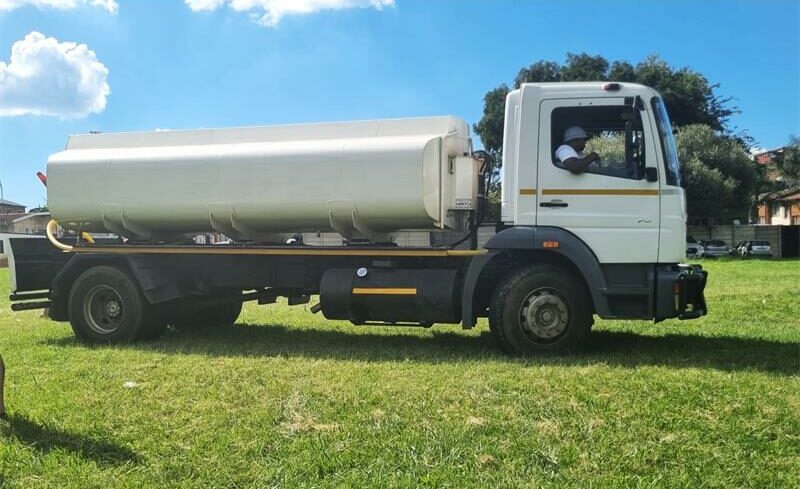
The Constitution in Section 27 (1)(b) states that access to adequate water is a basic human right. Despite this, large areas of the city are routinely forced to desperately chase roving water tankers or use plastic buckets to fill from the taps when there is a supply.
Of the water the city does have, the spokesperson for Johannesburg Water (JW), Nombuso Shabalala, said 46% of non-revenue water is lost. “Physical losses are 24%, commercial losses are 10%, and authorised unbilled consumption is 12%.”
Both Mike Muller, a water expert, and WaterCAN, an Outa initiative, head Ferrial Adams agree that without a dramatic change of some of the top brass at JW, and a large and sustained budget increase from the city, more of the same, and worse, can be expected.
“Revenue brought into city coffers is R12b annually – from that, JW is given only about R1.5b annually for upgrades, replacements and infrastructure. They say they need at least R2.5b – R3b a year to operate effectively,” says Adams.
“This is why they can only replace 14km of water pipes per year when we have thousands of km’s of water pipes – it is a drop in the ocean.”
Stanley Maphologela, Director of Communications and Stakeholder Management at the city says, “The entity allocated a R4.5 billion three-year capital budget. The allocation is aimed at carrying forward projects that focus on maintenance and upgrade of existing water and sewer infrastructure.”
When asked about why the City Council approved salary increases for its members last week in an environment where entities are struggling so badly financially, he would not be drawn.
“The budget approved by Council on May 22 included a 4.8% increase for councillor salaries for the 2024/25 financial year, with a total allocation of R191.”
“One has to wonder,” says Adams, “where the money the city gets from revenue or international loans goes. Across the board, there is collapse, from traffic lights not working to potholes, clinics without everything they need, and more – nothing is working.”
She says the board of JW also needs members with technical and operational expertise, which, she says, the current leadership is lacking.
Also read: JW updates meter-reading schedule
Muller says, “While JW planning seems to be on track, implementation is not. More seriously, management of the operation and maintenance of the water network needs to be strengthened to improve the quality of repairs and to avoid the long supply interruptions suffered in many zones.”
JW identifies its biggest challenges:
• Inconsistent incoming bulk water supply,
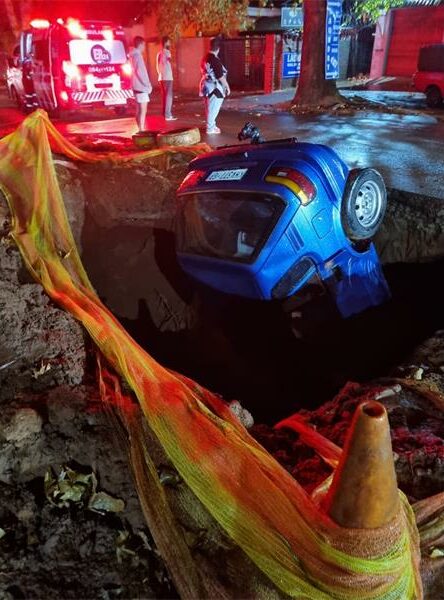
• Ageing infrastructure which leads to frequent pipe bursts,
• Water meter leakages,
• Power supply interruptions,
• Backlog of infrastructure replacements/upgrades,
• Theft and vandalism of infrastructure, and
• Illegal water connections.
JW’s Shabalala says, “There are residents who refuse to have the prepaid water meters installed because they refuse to pay for water. This, in turn, affects our ability to collect revenue, which goes towards infrastructure upgrades and maintenance.”
Ward 88 councillor Nicolene Jonker put forward a motion to the council in September aimed at addressing the water crisis. She wanted a comprehensive internal audit of water meters and valves in areas impacted by water-shedding, especially those fed by the Alexandra and both Hursthill reservoirs. The ANC, EFF, ActionSA, and PA collectively voted against the motion.
Today is a profoundly disappointing day for the residents of Johannesburg, who are enduring ongoing water outages.
Jonker said, “We encourage our residents to stay engaged and hold their leaders accountable. This isn’t the end. It serves as a rallying cry to come together and continue fighting for every individual’s right to access adequate water – a fundamental right that cannot be overlooked or postponed any longer.”
Muller says that his widely circulated prediction, in a report prepared by the Gauteng City Region Observatory five years ago, forewarned the city that if water losses and inefficiency continued without changes being urgently implemented, the city would face increasing water stresses. “The municipality did nothing.
“In March this year, I again stated publicly that if we had a hot and dry October, as we did, that water interruptions and supply would be increasingly problematic. We are in for a tough few months.”
Shabalala says the entity routinely throttles water to some areas in a bid to manage supply. “This process assists with balancing out the systems so that customers all have adequate supply as much as possible.”
JW’s network consists of over 12 400km of water pipes. However, it does not mean that all these need replacement because they all have a certain amount of lifespan to them.
A water expert, speaking to Caxton Local Media on the condition of anonymity due to having a working relationship with the water entity, says, “The people at the top are not sufficiently experienced, especially at an operational level.
“JW is owned by the city and 100% of the board is appointed by the city. So, officials who may want to be more honest about problems will not come forward for fear of losing their jobs.”

Operations staff are weak, and this can be seen when one looks at how badly repairs are done and how they fail to manage supply properly.
“Aside from being allegedly run by ineffectual leaders, JW is plagued by infrastructure collapse and decay which can be seen on show when driving around the city.”
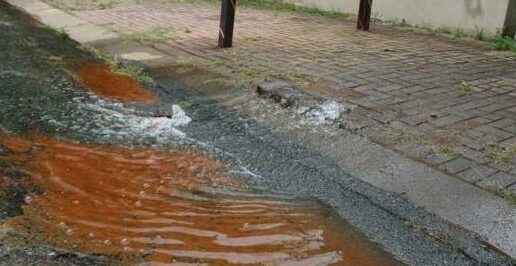
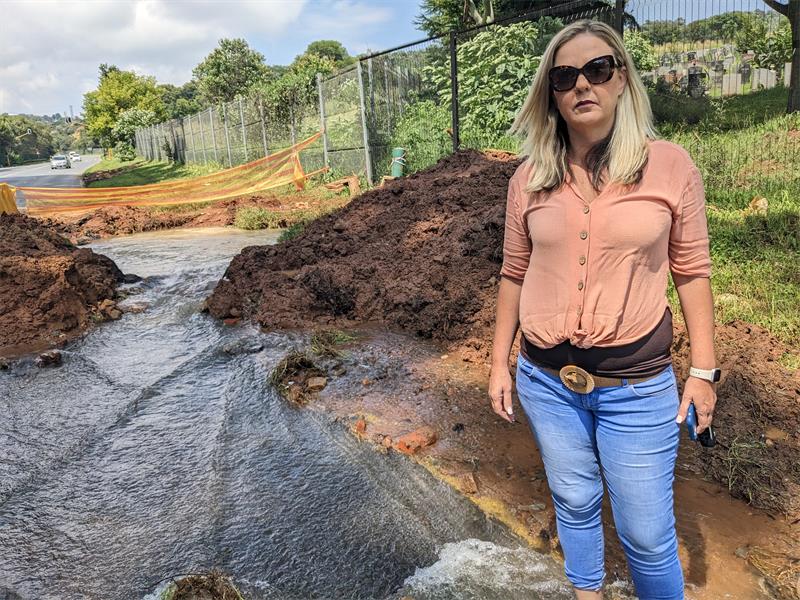
Ward 101 councillor Ralf Bittkau says, “Incessant asbestos pipe bursts and the failure of valves and sewage spills are a nightmare. These problems are mainly due to the long-term lack of properly planned maintenance which is essential to JW’s portfolio of deliverables.”
It must be said that JW is trying to serve the residents, however, their work ethos leaves a lot to be desired.
He, and others across the board, complain about the communication strategy on which the city relies to function, especially at a time when water is so hard to come by in some areas.
Shabalala says, “The standard response time for attending to pipe bursts and leaking water pipes is 24–48 hours, and for a leaking meter it is three days.”
She qualifies this though, by saying, “These response times can fluctuate and be delayed according to the nature and magnitude of the work or repairs that need to be done, the machinery needed, the human labour needed, as well as weather conditions.”
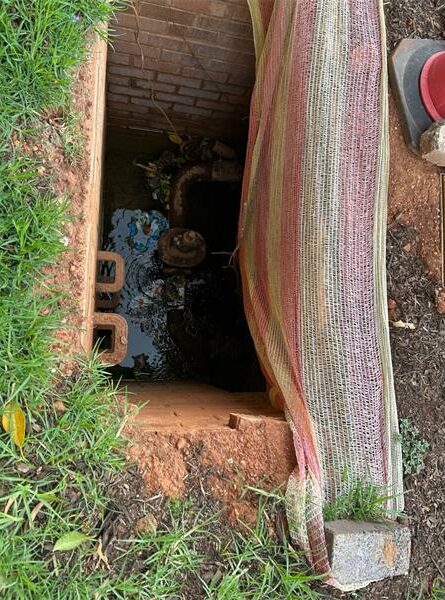
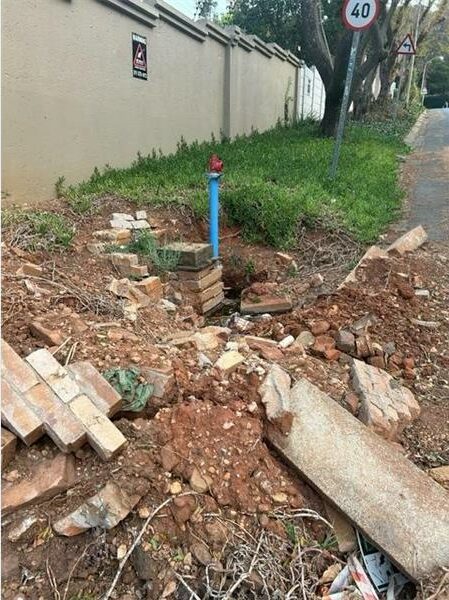
Bittkau also criticises the slow response times when problems are reported, and the length of time reinstatements (filling a hole dug by JW on a street or pavement) when the problem has been attended to.

Johannesburg Roads Agency (JRA) updated a service level agreement that previously allowed JW to carry out reinstatements. Head of regional operations Chayalethu Gqibitole said, “Some of the reinstatements conducted by JW contractors did not meet JRA specifications. Issues such as improper layer works, and insufficient compaction led to subsidence in many areas.”
Bittkau says, “Furthermore, there is a total lack of urgency, and pipe-bursts and sewerage blockages are left unattended for way too long. When they are finally attended to, the reinstatement of the area is left to another team and thereby is often left unattended for years.
“Problems at an operational level quite often result in repairs being done badly, with teams needing to come back two or three times.”
The city has more than enough water. The issue is getting the water to the end user as the infrastructure deteriorates.
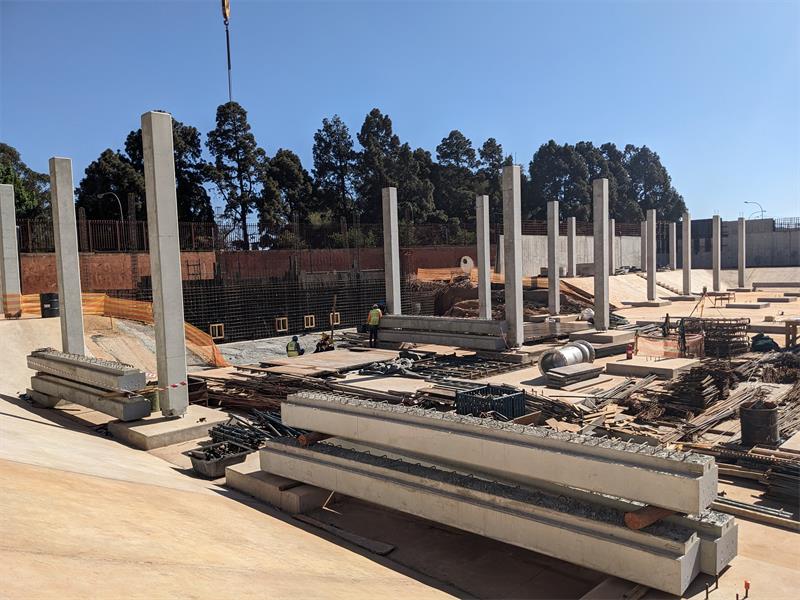
JW is doing what it says it can which includes the massive build in Brixton.
The current R330m build in Brixton to replace the reservoir, water tower, and pump station, due to be completed in April 2025, will bring much relief to residents in areas like Westdene which is plagued by low or no supply.
Other areas not serviced by the Brixton network, like Kensington, Jan Hofmeyer, and many other suburbs across the city – the list is a long one – have no end in sight to the hell they endure every day without a solution in sight.
Follow us on our Facebook, X, Instagram, and TikTok pages. Join our WhatsApp group for any story ideas you may have.
Related article: Scammers acting as JW officials