
Wet weather, bad roads – here’s how to stay safe
With Joburg's notoriously poorly maintained roads, the rainy season can pose an even higher danger factor to road users.

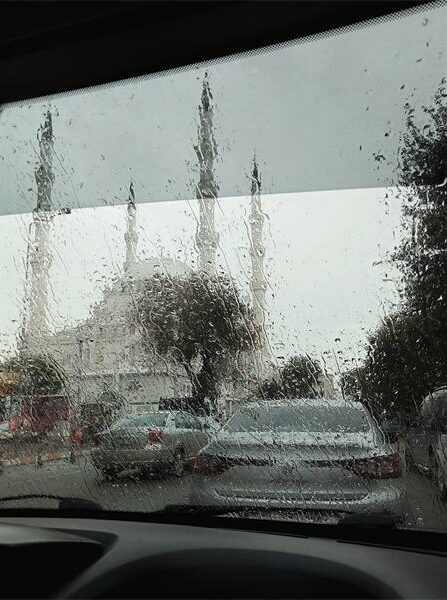
With heavy rains and hail storms predicted in parts of South Africa in the upcoming weeks, motorists are being urged to stay safe. Drivers are advised to take extra precautions considering the city’s dilapidated, pothole-filled roads. In October 2022, there were a reported 25 million potholes sprawled across South African roads.
Read more: Reckless driving plagues Emmarentia
Such conditions can be hazardous for anyone out on the road, says Keletso Mpisane, head of digital car insurer, Blink by MiWay. “Poor visibility, slippery roads, and bad driving behaviour can make being on the road hazardous.”
According to a report by the Road Traffic Management Corporation (RTMC), wet roads and poor visibility contributed to more than 27% of all fatal accidents in SA last year.
Also read: Tips for driving in heavy rains
In the light of the coming wet-weather conditions, Mpisane says there are a few precautions motorists can take to stay safe.
• Get a firm grip: A big part of being safe on the road during stormy weather conditions is making sure that your car is in optimum condition so that you safely can get from point A to point B in wet weather. The condition of your tyres is of prime importance. “Tyres lose grip when driving in wet conditions. The best way to offset this is to periodically check that the tread on your tyres is good. If a tyre is smooth, you could end up skidding on a wet road. You should also check that your tyres are inflated correctly. Over or under-inflation may reduce traction even more.“
• Be extra mindful of other road users: Driving defensively could save your life. One of the most underrated considerations for drivers is being aware that other motorists aren’t heeding road rules, or are driving recklessly. “You may be an excellent driver but always be mindful that you share the road with other motorists who are driving in a way that could cause an accident. Giving them your right of way when you are suspicious of their driving could prevent an accident, and protect your health, your car, and your finances.”
• Be aware of danger: In rainy weather, traffic lights are often out, meaning that intersections are often treated as four-way stops. Be extra careful in these situations, even if it is your right of way. Letting a speeding or reckless driver go first can save you hardship and heartache in many instances.
• Maintain good driving behaviour: No matter how slow traffic may be or how tempting driving faster may seem, don’t speed when the conditions are wet. Avoid driving through pooled water in a dip in the road or trying to cross a fast-flowing, swollen river. Not only do you run the risk of having your car washed away, but the water could also damage your vehicle’s engine and on-board computer.
• Get comprehensive cover: Poor road quality is even more of a problem for drivers who don’t have comprehensive cover, as they compromise not only their physical safety but their financial well-being too. These drivers may have to take extra rim and tyre cover to cover damages arising from poor road conditions.
• Regular check-up: While the overall condition of your car should be top of your checklist of priorities as a driver, it can be costly, meaning that many people skip it. “Unfortunately, many people wait until it’s too late to check up on the state of their cars. They wait for the car to show signs of something being wrong, like an engine noise or squealing brakes, rather than regularly servicing the car,” warns Mpisane. Windscreens, brakes, tyres and lights can prove to be a matter of life and death while driving in rainy conditions and should be regularly checked by certified mechanics and dealers, and not replaced with car products bought from parking lots and at traffic lights.
• Tech can be your friend: The car insurance industry has evolved to a point where the insurer will send out a message about anticipated heavy rains or hail that is due to come at a particular time. You can plan your travels around this information to make sure that the forecast is clear and safer to drive. “The Blink by MiWay app pinpoints a customer’s current location which makes it possible for customers to receive alerts when there’s a hailstorm headed in their direction. This allows them to arrange their travels accordingly.”
• Brake it or make it: Ensure that you regularly maintain your brakes. To test them after going through a puddle by tapping the brake pedal a few times to test the grip. If your brakes don’t seem to be working well, take your car to a certified specialist to check them. And, when cleaning your car, avoid steam-cleaning the brake system, particularly with powerful steam cleaners at car washes, as it could impact braking performance.
• Check your demister: Mist builds up on the windscreen when the car is warm on the inside and it’s cold outdoors, and your windows are closed to protect you from the rain. A demister should effectively clear moisture and mist from your front windscreen to improve visibility.
It’s prudent to take your car in for a full check-up to make sure that you are ready for the rainy season, concludes Mpisane. It can save money in the long run and improve your safety on the roads, so is an important investment to make.
Follow us on our Facebook, X, Instagram, and TikTok pages. Join our WhatsApp group for any story ideas you may have.
Related article: Kia’s power drive to attract women to the industry