
Wits professor becomes nation’s first
Wits philosopher Lucy Allais becomes the first female South African to join the prestigious American Academy of Arts and Sciences.
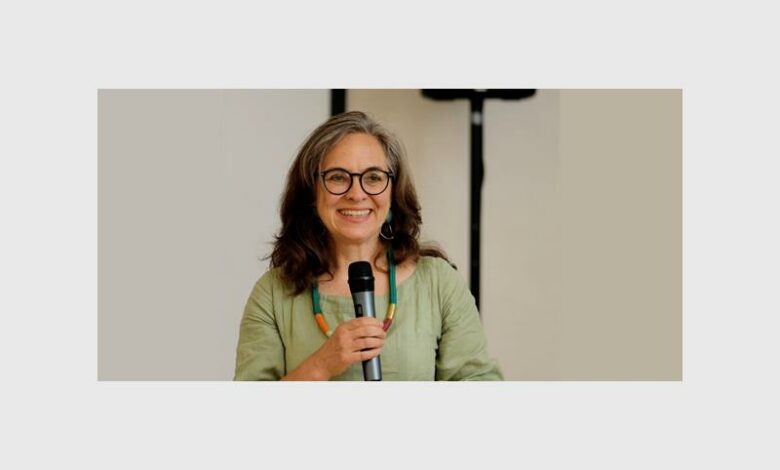
Lucy Allais, a professor of philosophy at Wits and Johns Hopkins University, is the first female South African philosopher to join the American Academy of Arts and Sciences.
Founded in 1780, the academy is one of the oldest learned societies in the United States. It’s both an honorary society that recognises and celebrates the excellence of its members, and an independent research centre. Current members represent today’s innovative thinkers in every field and profession, including more than 250 Nobel and Pulitzer Prize winners.
Read more: Publisher bestowed with honorary doctorate by University of Johannesburg
Election to the academy is regarded in the USA as a lifetime achievement award, similar to the British Royal Society. Around 8 000 people are employed teaching philosophy in the USA, out of which eight were elected to the academy this year.
Allais joins 16 other South African members of the academy, including the late Nelson Mandela (elected 2009). She is the fifth South African woman to have been elected to the academy, the first being honorary member Nadine Gordimer in 1980 and, remarkably, only the second South African philosopher since John Niemeyer Findlay in 1975. This, therefore, makes her the first female South African philosopher to join the American Academy of Arts and Sciences.
A member of the Wits Philosophy Department since 2006, Allais’ research interests include moral emotions such as forgiveness and blame, the German thinker Immanuel Kant, and the nature of human free agency.
Also read: Northcliff Melville Times wins Best Front Page at AVBOB FCJ Excellence Awards
Humbled by the recognition, Allais said she is committed to developing a generation of thinkers. “Philosophy is a subject that interrogates the assumptions and concepts used in other disciplines. Because it combines careful logical rigour with extreme imaginative speculation, it is exceptionally good at developing original and critical thought.
“In a world in which technological development can rapidly make specific skills obsolete, and in which we face numerous pressing problems, creative critical thinking is more important than ever,” she said.
Follow us on our Whatsapp channel, Facebook, X, Instagram, and TikTok for the latest updates