Westdene-based botanist shares her experience on indigenous plants and grassland conservation
Amelia Ruiz-Coogan explains why learning to tell the difference between weeds and wanted plants, and indigenous and alien species, matters, especially in threatened grassland areas.
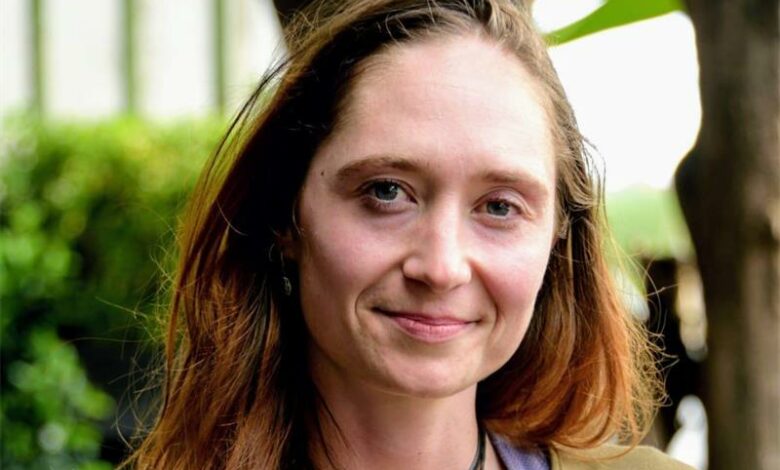
For botanist and horticulturist Amelia Ruiz-Coogan, indigenous plants are not something she discovered later in life, they are something she has known since childhoood.
With a lifelong connection to indigenous plants, particularly highveld grassland plant species, the Westdene botanist has been observing, growing, and learning about them from a young age. Today, her work focuses on the selection, propagation, cultivation, and practical use of locally indigenous plant species, particularly within green architecture and sustainable property development.
Read more: Women for Change bring a haunting silence to Emmarentia at the Johannesburg Botanical Gardens
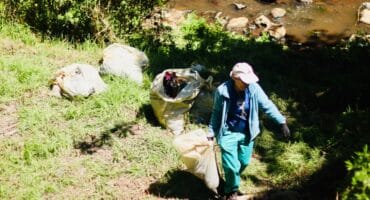
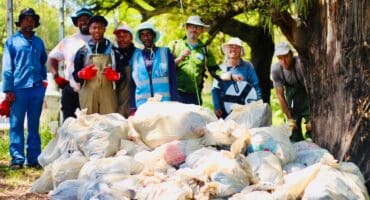
Her area of focus lies at the intersection of ecology, conservation, and how human spaces are designed and managed in ways that support natural systems, rather than replacing them. This perspective formed part of her recent talk on weeds and indigenous plants to the residents Westdene at a clean-up on January 18, a subject she says is often misunderstood. “The talk was inspired by seeing how frequently indigenous plants are unintentionally removed because they are mistaken for weeds, as well as by the continued planting of exotic plants in sensitive ecosystems.”
Many people want to do right by their gardens and open spaces, she explains, but without the right information, well-meaning actions can cause long-terms ecological harm. “Grassland areas are of particular concern, as they are amongs the most threatened ecosystems.”
Ruiz-Coogan stresses that a weed is not simply a plant people dislike. “It is usually a plant growing where it does not belong, or one that spreads aggressively and disrupts natural systems. Indigenous plants, by contrast, evolved in specific areas over thousands of years alongside local insects, birds, soil organisms, fire, and climate patterns.”
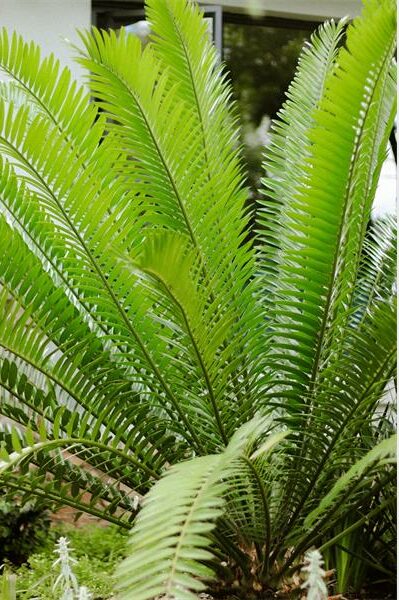
Due to this shared history, indigenous plants support biodiversity in ways that most weeds cannot. She says the focus should be on removing alien invasive species, especially those that spread rapidly and outcompete indigenous plants. “In grassland areas, species such as large clusters of horseweed, Mexican poppies, Mexican aloes or agaves, yuccas, blackjacks, pompom weed, verbena, and bugweed should be prioritised for removal. These plants reduce biodiversity, alter soil conditions, and prevent indigenous plants from flowering and setting seed.”
At the same time, Ruiz-Coogan highlights the importance of protecting indigenous veld grasses and flowering plants, including geophytes, such as cyanotis speciosa, ledebouria species, grassland orchids like eulophia clavicornis, hypoxis species, gladiolus species, helichrysum species, and many others.
Also read: New Indigenous trees rooted in sustainability at Johannesburg Botanical Gardens
She added that many of these plants are not available from nurseries, making wild populations particularly important and highly vulnerable to accidental eradication. Indigenous plants, she explains, form part of the foundation of local ecosystems. “They provide food and habitat for pollinators, birds, and other wildlife, stabilise soil, and are adapted to local rainfall, fire cycles, and climate conditions. When indigenous plants thrive, ecosystems become more resilient and self-sustaining. When indigenous plants are removed by mistake, gaps open up in the ecosystem. These gaps are often quickly filled by alien invasive species, leading to a decline in biodiversity. Over time, this results in fewer pollinators, fewer birds, poorer soil health, and landscapes that require more intervention to manage.”
One of the most common mistakes people make when clearing gardens or land, Ruiz-Coogan says, is removing everything at once, particularly during spring and summer. Plants are often cleared before they have a chance to flower and set seed, preventing natural regeneration. “Another common mistake is assuming that anything unfamiliar or untidy must be a weed, or that anything green must be indigenous.”
Her advice to those wanting to care for land properly is simple to learn what grows naturally in an area before removing anything, and to work slowly, remove alien invasive species selectively and allow indigenous plants time to complete their life cycles.
Often, she says, the best thing to do is interfere less and allow natural processes to do the work. Ultimately, Ruiz-Coogan hopes people walk away with a shift in perspective. Indigenous plants, she adds, are not obstacles to be cleared, but assets to be protected. “Even small patches of grassland can hold remarkable biodiversity, and with awareness and patience, ordinary people can play a meaningful role in conserving one of the most endangered ecosystems.”
Follow us on our Whatsapp channel, Facebook, X, Instagram, and TikTok for the latest updates and inspiration!