Nenio Mbazima talks to us about his film production initiative, his book, and his work with the deaf community
Having lost his hearing at the age of 10, Mbazima has become a beacon for the deaf community in his work as a film producer, a writer, and an advocate for deaf culture.
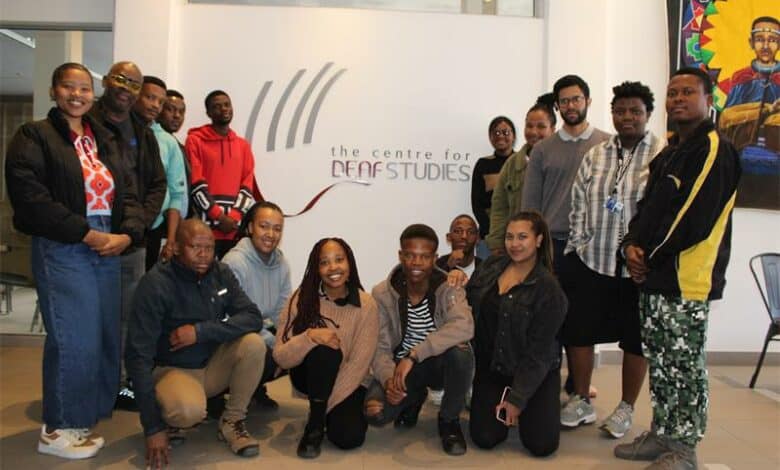
Nenio Mbazima, a video producer at the Centre for Deaf Studies at Wits University, is the project lead of the groundbreaking film production internship for deaf youth. Launched in September, the internship programme will train 15 deaf youth thus contributing to the artistic expression of the deaf community.
Read more: Raising awareness for deaf children
Mbazima has 23 years in film production and is a three time literature award-winning author of Strong Winds, a book based on his life, including when he contracted meningitis at 10-years-old, which left him deaf. The book is described as being full of suspense, humour, and drama.
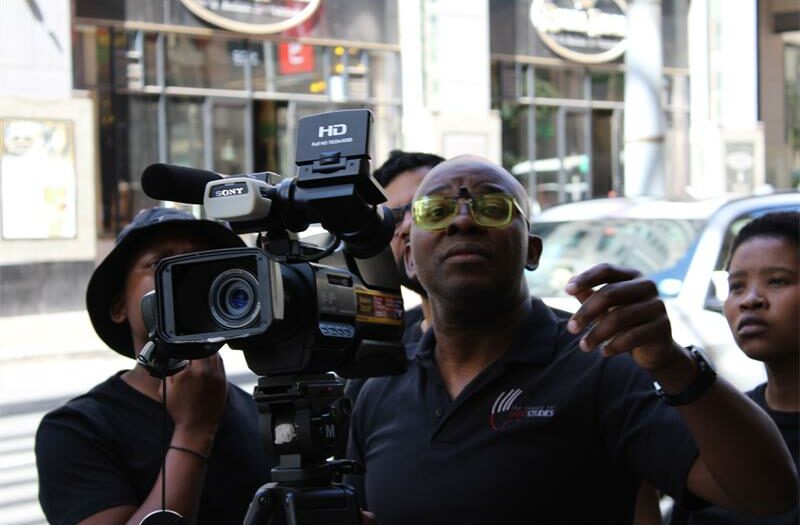
He answered a few questions about himself:
Also read: City joins hands with DeafSA
• Share with us a bit about yourself?
My full names are Nenio Makhosini Mbazima. The name Nenio is Spanish, derived from El Niño which means: ‘the boy’, and refers to Christ the Child, because El Niño usually happens around Christmas. El Niño causes strong winds, also my book title. Makhosini is a Swazi name originally used to refer to: ‘The mountains where kings are buried.’ I was named after my maternal grandfather from Ntfonjeni in Swaziland. I am one of eight children, seven boys and one girl.
• You contracted meningitis at 10 years old and lost your hearing. How did this impact your life?
I’m glad that I became deaf. Most people die from meningitis but I didn’t. I was given a second chance at life and I grabbed it with both hands. It wasn’t always easy – I was angry initially, but I embraced my deafness. My early schooling years were a challenge as I was not provided with a sign language interpreter in class, which wasn’t surprising given that I was the only deaf learner in a mainstream school. It was challenging. When teachers gave instructions, I often missed out on a lot. However, my classmates were incredibly supportive. They let me copy their notes and welcomed me into their study groups. Over time, they even learned how to communicate with me, which made a huge difference.
• Tell us more about your work at the centre and its impact?
As a video producer, I am responsible for conceptualising content that needs to be transformed into videos. This includes creating educational material, translating resources into South African Sign Language, and ensuring that deaf individuals have equal access to information and education. My work involves collaborating with educators, linguists, and deaf community members to ensure that the content is accurate, engaging, and culturally relevant. The impact has been profound, as these resources help bridge communication gaps, promote inclusivity, and empower deaf individuals by providing them with accessible learning tools and media content in their own language.
• What are your thoughts on deaf art?
Deaf art is a powerful and unique expression of deaf culture and identity. It allows deaf artists to communicate their experiences, emotions, and perspectives in a visual language that transcends spoken words. Through their art, they can challenge societal perceptions, celebrate deaf pride, and raise awareness about the beauty and richness of sign language and deaf culture. Deaf art also serves as a means of advocacy, breaking down barriers and fostering greater understanding between deaf and hearing communities.
Follow us on our Facebook, X, Instagram, and TikTok pages. Join our WhatsApp group for any story ideas you may have.
Related article: Deaf swimmer climbs Kilimanjaro