A suburb shaped by history and heritage
Gather to hear the story of Emmarentia, and the tale of Louw Geldenhuys, the influential figure whose beliefs shaped Emmarentia's identity and community development.
Emmarentia, a suburb in Johannesburg, has a rich history that traces back to the larger Braamfontein farm, which was established in the mid 19th century.
According to the City of Johannesburg (CoJ) website, the farm was granted to Gerrit Bezuidenhout in 1858, covering an expansive area of 3 500 hectares. This land would eventually play a crucial role in the development of Johannesburg.
Read more: History of the Country Club Johannesburg
In 1886, the eastern part of Braamfontein was purchased by Lourens Geldenhuys, the father of Louw Geldenhuys, for £4 500, coinciding with the discovery of gold in Johannesburg. This pivotal moment attracted a wave of settlers and prospectors to the area, leading to significant changes in land ownership and usage.
Lourens, originally from Swellendam in the Cape, had previously settled in Kliprivier near Heidelberg, where he had three sons: Frans, Dirk, and Louw. After discovering gold at various locations, including Elandsfontein, Lourens formed the Geldenhuys Estates Gold Mining Company, which contributed to the burgeoning mining industry in the region.
As the demand for land grew, Lourens and his sons began to subdivide the farm. In 1891, Louw and Frans registered the subdivision of their farms, establishing boundaries that would shape the future of the area. Each brother received half of the water supply, from what is now the Westdene Dam, ensuring that their agricultural endeavours could thrive.
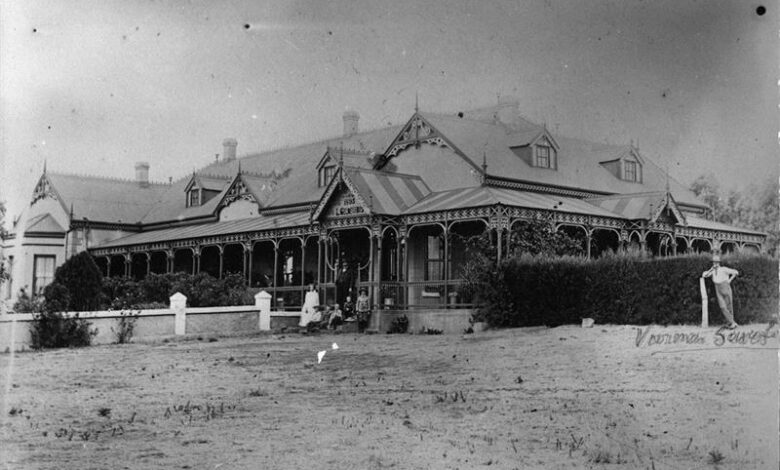
Louw married Emmarentia Botha in 1887, and built her a large farmhouse on Greenhill Road, which is now recognised as a national monument and the oldest house in Johannesburg. Emmarentia was a passionate gardener, and her influence is still felt today, with palm trees she planted still standing in front of the house.
The couple had 15 children, eight of whom survived, and their family cemetery is located on Hill Road. The Geldenhuys family played a significant role in the community, with Louw providing landless boers with work after the Anglo Boer War, allowing them to construct the Emmarentia Dam and settle on smallholdings in the area.
As the years progressed, Louw and Emmarentia’s land was further subdivided, leading to the establishment of surrounding suburbs, such as Linden and Greenside. The Geldenhuys family continued to influence the area, with Louw actively participating in local politics and community initiatives.
Today, Emmarentia is characterised by its historical architecture and lush gardens, reflecting the legacy of the Geldenhuys family. The farmhouse, now over 115 years old, has been carefully preserved, showcasing a blend of Victorian and Art Deco styles. The unique features of the house, including its long stoep and eclectic furnishings, tell the story of a family deeply rooted in the history of Johannesburg.
Follow us on our Whatsapp channel, Facebook, X, Instagram, and TikTok for the latest updates and inspiration!