Melville, Emmarentia and surrounding suburbs highlight deeper strain on water supply
Joburg officials addressed the media to address the ongoing water crisis, outlining the scale of the crisis, ongoing interventions, and the broader structural challenges facing the city.
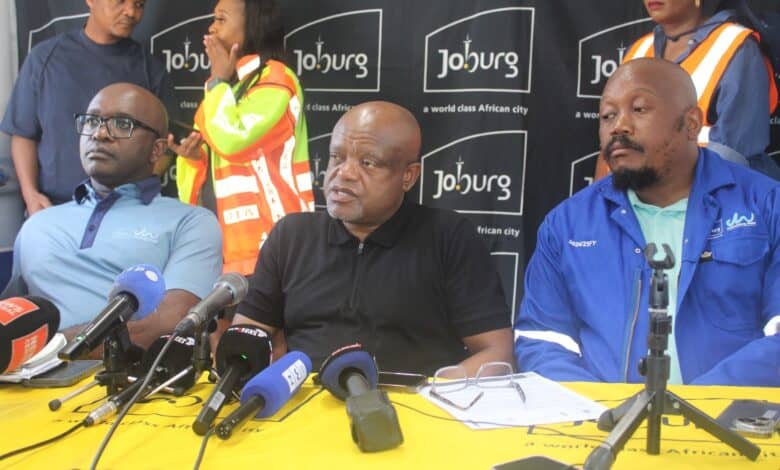
Residents in Melville, Emmarentia, Westdene, Richmond and surrounding areas remain without water as the City of Johannesburg races to stabilise its already strained supply system, officials revealed during a media briefing at the new Brixton tower and reservoir on February 11.
The briefing was given by Executive Mayor Dada Morero, MMC for Environmental and Infrastructure Services Jack Sekwaila, and Johannesburg Water managing director Ntshavheni Mukwevho, who outlined the scale of the crisis, ongoing interventions, and the broader structural challenges facing the city’s water network.
Read more: Westdene and Richmond students feel pressure as the water crisis disrupts the academic year
Morero acknowledged that the collapse of key infrastructure had triggered widespread disruptions at a time when demand was high. He added that the situation had affected a wide range of communities and underscored the urgency of addressing historical infrastructure backlogs. “It is just unfortunate that the reservoir [couldn’t provide water] at the point where people were consuming water and needed water,” he said, adding that the city was now refurbishing Hursthill 1 and Hursthill 2 to prevent similar failures in the future.
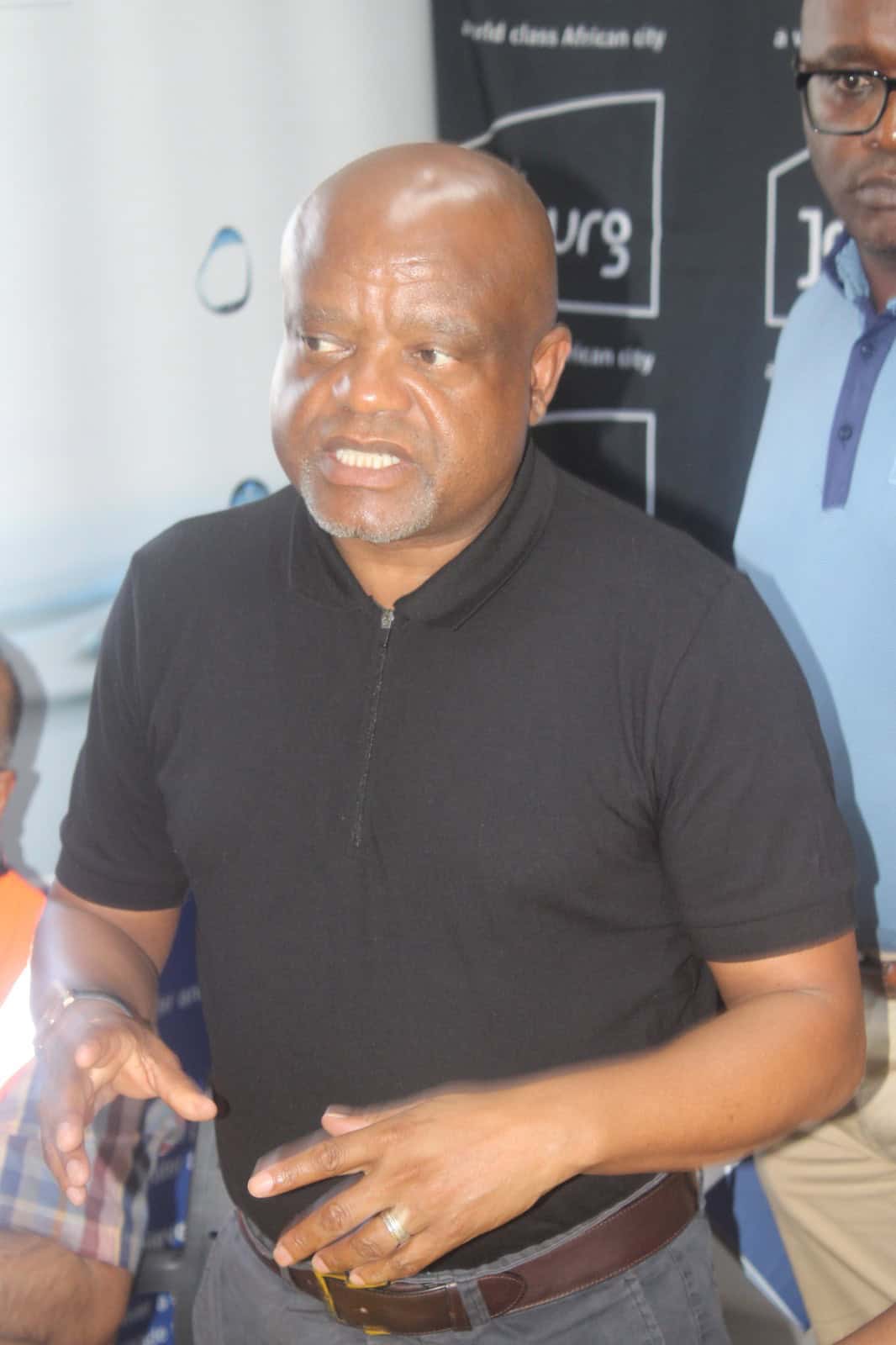
He also pointed to the scale of Johannesburg’s infrastructure burden, noting that the city’s water network stretches over more than 12 000km, with at least 150km in the Central Business District (CBD) alone requiring full replacement. The cost of upgrading just the CBD infrastructure, he said, could run into billions of rand.
Morero highlighted that the city has allocated R1.7b in its 2025/2026 budget for water infrastructure and plans to increase spending in the coming years, while also trying to raise funds through borrowing and external partnerships. “Capital expenditure across infrastructure, including water, electricity and roads, currently stands at about R8b, with plans to push it closer to R10b in the next financial year.”
Also read: Melville residents take to the streets as water crisis sparks urgent protest
He added that JW has also begun expanding its emergency response capacity. “Nineteen water tankers are currently in operation, with plans to purchase an additional 20 tankers in the coming years to reach a fleet of 60.” Borehole schemes and alternative water resources are being rolled out, particularly in informal settlements and high-consumption areas, to reduce reliance on the main grid.
@caxtonjoburgnorth WATCH: A resident sitting next to Joburg Executive Mayor Dada Morero voicing his frustrations over the lack of water. Video: Waydon Jacobs #Northcliff #Mayor ♬ original sound – Caxton Joburg North
Mukwevho said that the crisis could not be solved through infrastructure upgrades alone. He stressed that pressure management, rapid leak response and water conservation measures were all necessary as demand continues to exceed supply. He explained that the imbalance between supply and demand has led to depleted reserves, low pressure in pipelines and recurring disruptions in areas such as Crown Gardens and Alexandra Park. Daily coordination with Rand Water and internal teams, he said, is aimed at stabilising the system and restoring reserves to sustainable levels.
Officials also pointed out that there are broader pressures on Johannesburg’s infrastructure, pointing to rapid population growth. Morero said that the city is experiencing an influx of about 10 000 people every month. Despite the challenges, the mayor noted what he described as ‘positive developments in the city’, including economic growth.
Morero and Mukwevho confirmed that the Brixton reservoir and tower will be online by the end of February
The officials concluded that stabilising Johannesburg’s water supply will depend on a combination of urgent technical interventions, sustained investment and coordinated demand management — warning that without systemic improvements, disruptions could continue.
Follow us on our Whatsapp channel, Facebook, X, Instagram, and TikTok for the latest updates and inspiration!