
How invasive water lilies took over
A large-scale removal project is helping restore balance to a dam overtaken by invasive water lilies.
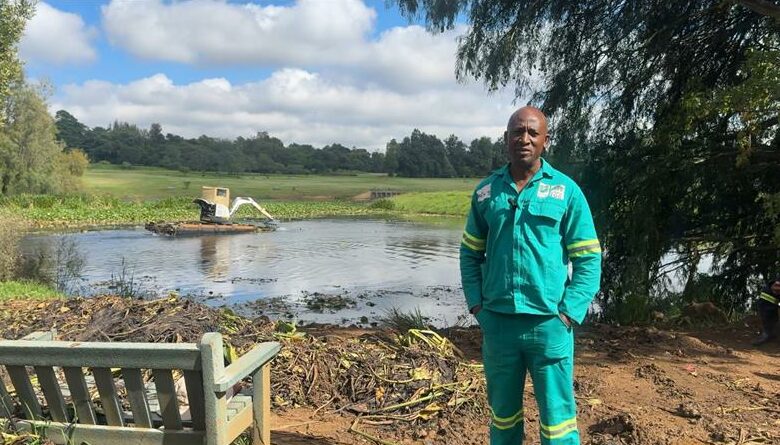
Efforts to restore the ecological balance at the Johannesburg Botanical Gardens’ top dam have recently seen the removal of invasive water lilies that had overtaken large sections of the water.
Read more: Blitz clean-up revitalises Johannesburg Botanical Gardens
According to Johannesburg City Parks and Zoo spokesperson Jenny Moodley, the rapid spread of the lilies was driven by a combination of high nutrient levels in the water, likely caused by runoff and pollution, as well as warm, still conditions that allowed the plants to thrive. In some cases, the species may also have been introduced unintentionally.
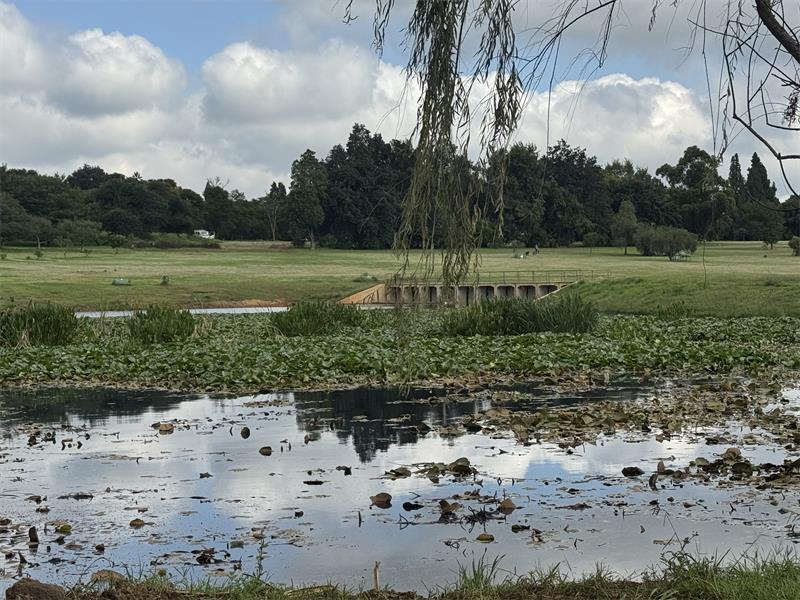
“The plants grow very quickly and take over the dam, pushing out indigenous vegetation and negatively affecting water quality,” Moodley explained.
At their peak, the dense mats of lilies covered much of the water’s surface, blocking sunlight and reducing oxygen levels – creating a difficult environment for fish and other aquatic life to survive.
Also read: Westdene-based botanist shares her experience on indigenous plants and grassland conservation
The removal process involved specialised equipment, including an amphibious harvester, to clear the plants and extract as much of the root system as possible. However, the operation was not without challenges. “The plants were very dense and difficult to remove, and some areas were hard to reach.”
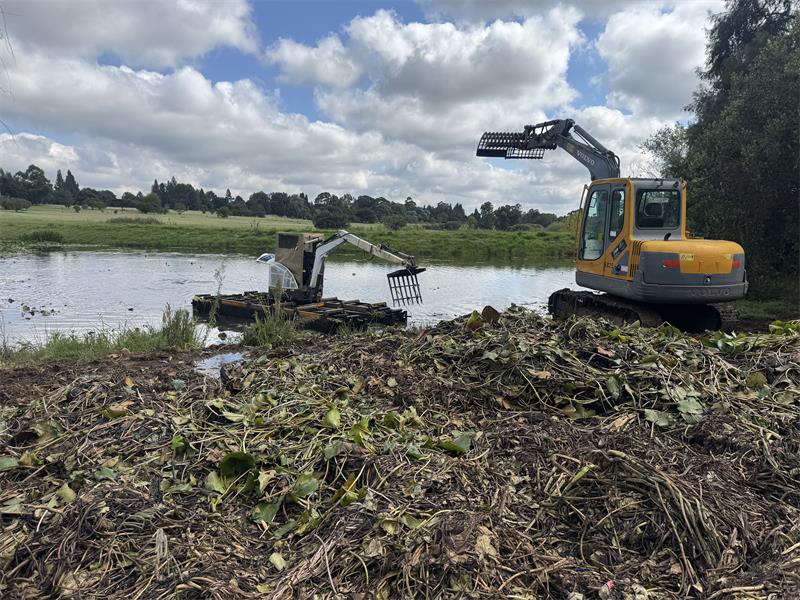
With the lilies now cleared, improvements in water quality are expected, allowing sunlight and oxygen to return to the dam and support the recovery of natural ecosystems.
Ongoing monitoring will be key, and members of the public are urged to play their part by keeping the area clean and avoiding the dumping of waste or plants into the water.
Follow us on our Whatsapp channel, Facebook, X, Instagram, and TikTok for the latest updates and inspiration!