
Johannesburg Roads Agency has no plans to change the wayleave process after Melville and Northcliff’s civic organisations appeal for a simplified process
Frustration is growing as JRA defends its strict wayleave process, while civic groups argue red tape is slowing urgent road repairs and blocking community-led solutions.
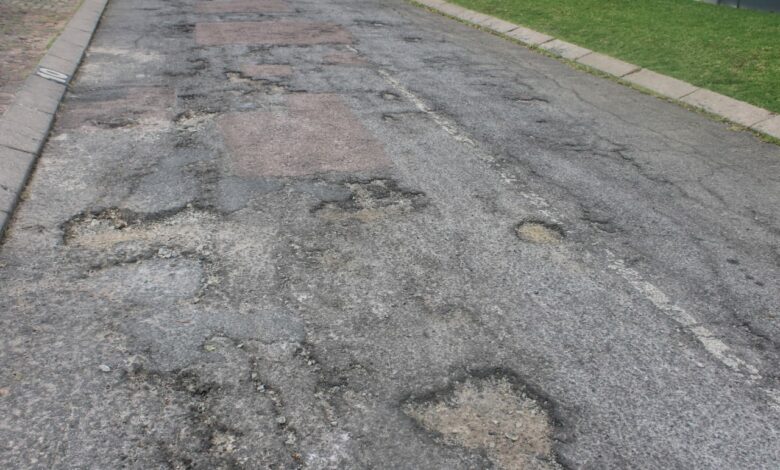
The wayleave process of the Johannesburg Roads Agency (JRA) brought tensions between municipal authorities and residents over how — and how quickly — road repairs should be carried out.
At the centre of the debate is a strict regulatory system that requires formal approval before any work can take place on or near public roads. While city officials insist the process is essential for safety and oversight, community groups argue it has become a bottleneck in addressing urgent infrastructure failures.
Civic organisations are calling for a more collaborative approach, rather than strict enforcement.
Read more: Alberts Farm bridge damage sparks safety concerns as erosion threatens road collapse
In recent discussions involving community groups such as the Northcliff Rotary Club (NRC) and CREASS Community Services, there have been calls for the city to formally recognise and support structured community-led initiatives.
Dave Woodhouse of NRC stated that they would want:
- Clear and simple approval process
- Defined safety and technical guidelines
- Access to approved materials or supplier partnership
- Indemnity or legal protection when operating within agreed standards
He assured that this would turn what is currently ‘informal and risky’ into something structured and far more effective.
Responding to a media query on April 2, Khaya Gqibitole, HOD of regional operations, said that the wayleave process is both necessary and non-negotiable. “It is a mandatory approval process for anyone who wants to conduct any work on the city’s road reserve,” he said, stressing that it ensures compliance with safety regulations and prevents damage to underground infrastructure.
Also read: JRA barricades Hofmeyer Road section while stream blockage plans finalised
The system also allows the city to monitor activity on its roads and hold those carrying out work accountable, while preserving the lifespan of existing infrastructure. According to Gqibitole, there are currently no plans to amend or streamline the process.
But for residents dealing with worsening road conditions, the process has become a point of frustration.
Community members said delays in approvals and slow municipal response times have left them with little choice but to consider stepping in themselves — even as officials warn that doing so is illegal.
Under the city’s Public Road and Miscellaneous By-laws, residents are prohibited from repairing roads or interfering with municipal infrastructure. Authorities argue that unauthorised work often leads to substandard repairs that fail quickly and can create additional hazards.
Beyond safety concerns, the JRA has also raised the issue of legal and financial risk, noting that poorly executed repairs could expose the city to liability claims from motorists.
Follow us on our Whatsapp channel, Facebook, X, Instagram, and TikTok for the latest updates and inspiration!