Politics of potholes: City calls For partnerships to tackle R26b road backlog
Amid a R26b road maintenance backlog, community-led pothole repairs highlight the gap between infrastructure needs and city resources
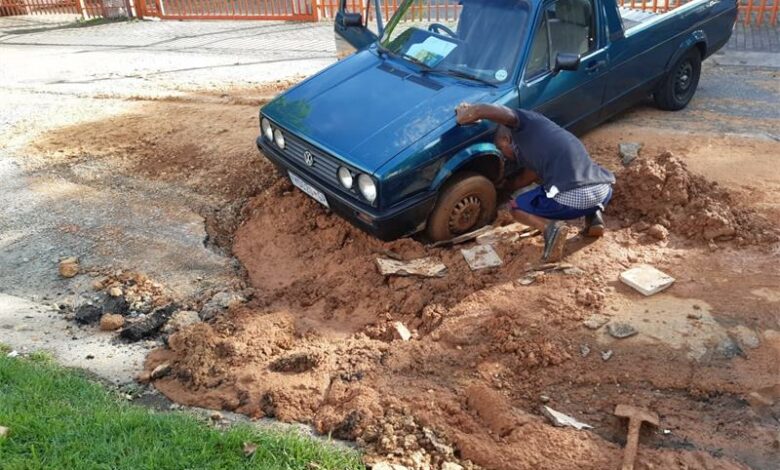
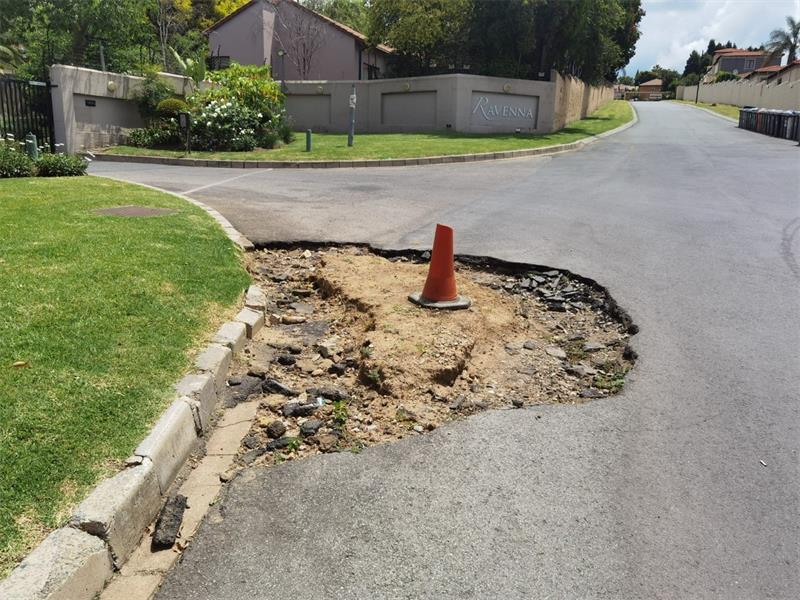
The state of Johannesburg’s roads is deteriorating rapidly.
Potholes and damaged surfaces are forcing motorists to slow down to avoid costly vehicle damage, increasing frustration among residents calling for urgent intervention.
Legal framework and safety concerns
Johannesburg Roads Agency (JRA), tasked with maintaining the city’s extensive road network, says it recognises the growing concern, but warns against residents taking repairs into their own hands without proper authorisation. While acknowledging the spirit of active citizenship, the agency stressed that unauthorised pothole repairs – including filling holes without written permission and an approved wayleave – violates municipal by-laws and could lead to fines, confiscation of equipment, and possible arrests by Johannesburg Metropolitan Police Department (JMPD).
Read more: The Discovery of less potholes Auckland Park
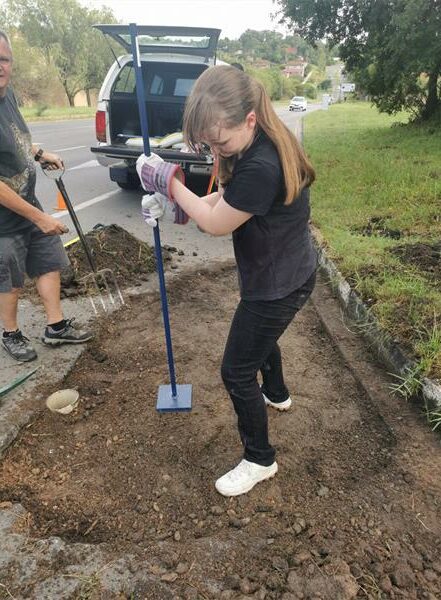
JRA chief executive officer Zweli Nyathi cautioned that road maintenance is a technical process requiring strict standards. “Using non-standard materials, like sand or bricks, creates loose debris that could crack windscreens or cause serious accidents for fellow motorists and cyclists.”
He added that poorly executed repairs could allow water to seep into the road structure, leading to deeper damage, such as cracking and eventual structural failure, which carries significant financial implications for the city. Liability concerns also arise, particularly where improper signage or barricading puts both workers and road users at risk, or where underground infrastructure, such as cables and pipes, is damaged.
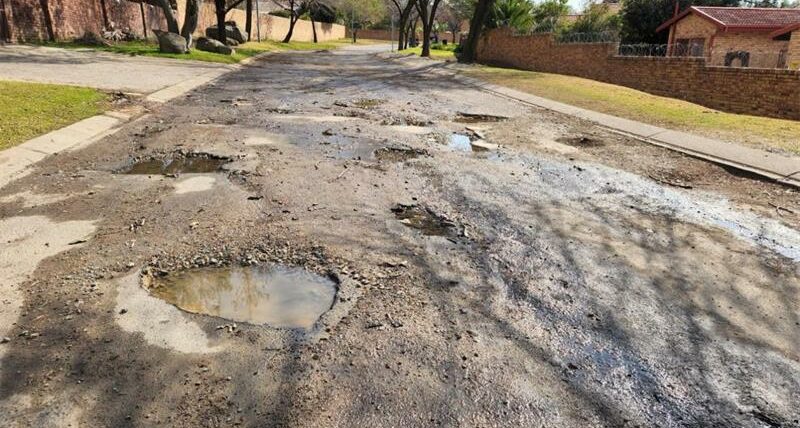
Despite these warnings, frustration on the ground is evident as residents and community groups step in to address what they describe as a growing safety hazard.
Residents take action as roads deteriorate
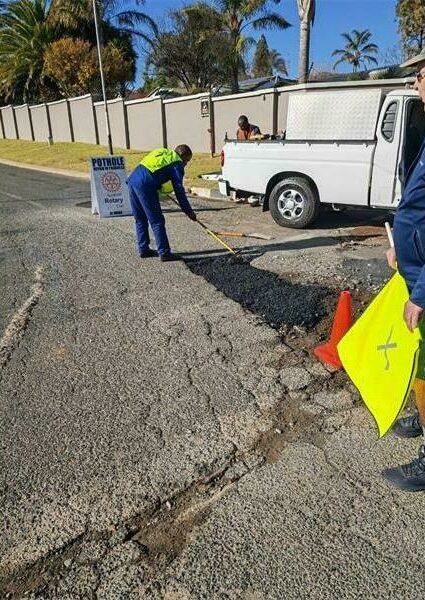
Dave Woodhouse, of the Northcliff Rotary Club, said their involvement stems from ongoing community work in affected areas. “These are areas where the club is already active with community upliftment, making pothole repairs a natural extension of responding to local needs. At its core, it’s about safety and dignity. Potholes damage vehicles, create hazards, and sometimes contribute to accidents. When residents report damage daily and nothing changes, standing back is no longer responsible.”
Woodhouse emphasised that such efforts are not intended to replace the city’s role. “Recurring damage from rain and traffic means repeated attention, which drains funding and volunteer energy. Community buy-in keeps it going, but proper infrastructure maintenance must come from the city.”
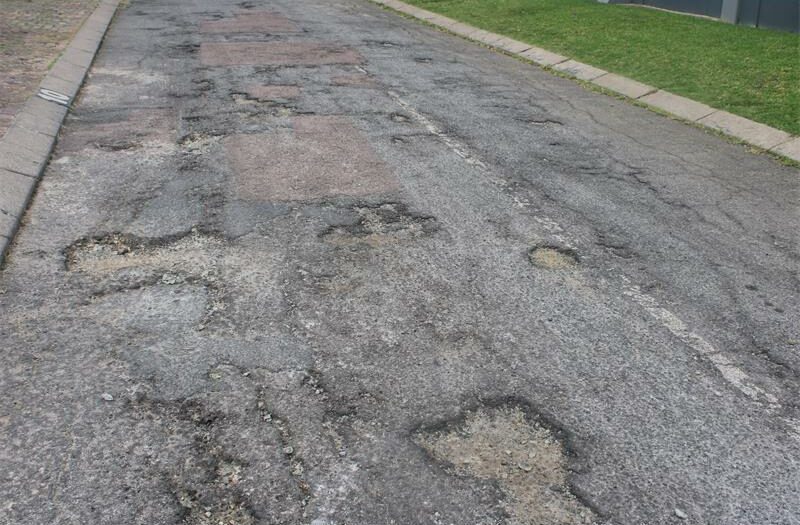
Danny Nunes, of CREASS Community Services, who conduct their work in Melville, echoed the need for structure and oversight in community-led interventions. “Where potholes cause traffic jams or damage, repairs should be considered emergency work. Contractors should follow full health and safety standards, have insurance, and work in co-ordination with JMPD when high traffic volumes are involved.”
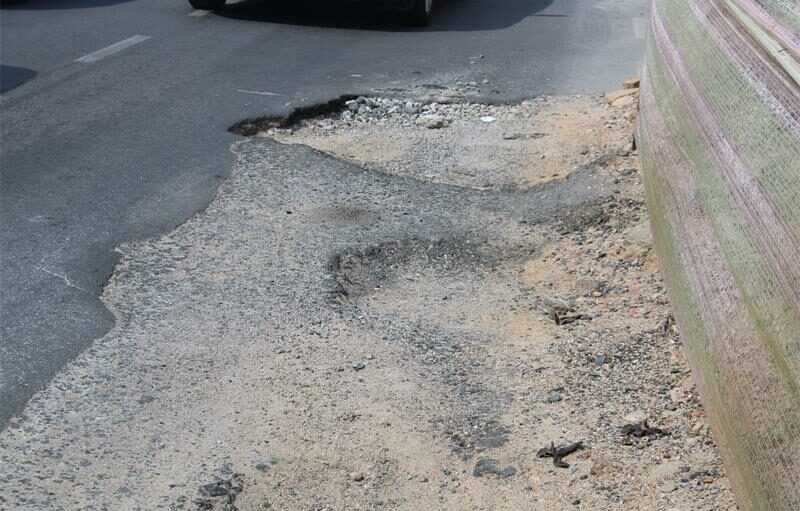
Also read: Councillor calls on JRA for action on potholes and reinstatements in Fairland
He suggested that formal agreements could provide a safer path forward. “JRA should consider memorandum Of understandings for responsible community repairs, and perhaps adjust wayleave fees, given the community already covers materials and labour.”
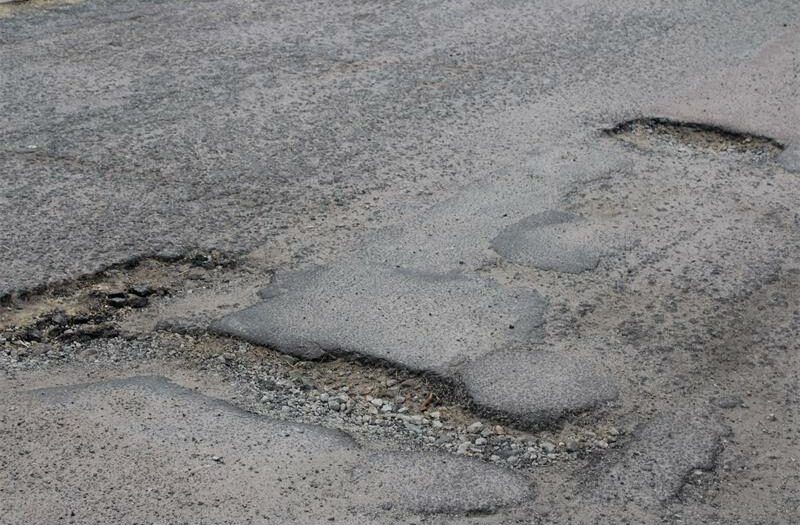
Nunes noted that monitoring remains part of their approach. “It’s not perfect, and it’s not a substitute for full resurfacing, but, done properly, it significantly extends the life of the repair and improves safety.”
Public/private partnerships as a solution
City officials point to the scale of the challenge as a key constraint. Member of the Mayoral Committee for Transport Kenny Kunene said the road maintenance backlog now exceeds R26b, a challenge he says requires a collaborative infrastructure service delivery model.
Kunene highlighted existing partnerships, including traffic signal backup power projects and pothole repair collaborations, as examples of how public and private sectors can work together. “We are actively inviting organised business and community forums to engage with the city through formalised public/private partnership frameworks.”
He warned that fragmented and informal fixes risk undermining long-term solutions. “Through partnerships we can align private resources with JRA’s technical oversight and specification compliance to restore transport corridors to world-class status.” Residents and organisations are encouraged to follow official channels, including applying for wayleaves or reporting defects through the city’s systems, allowing trained teams to carry out repairs using approved methods and materials.
As the debate continues, Johannesburg’s roads remain under strain, with both authorities and communities agreeing on one point: The need for safer, more reliable infrastructure is becoming increasingly urgent.
Follow us on our Whatsapp channel, Facebook, X, Instagram, and TikTok for the latest updates and inspiration!