Melville’s ageing trees expose growing urban infrastructure crisis across the city
The planned removal of four large Kapok trees in Melville has drawn attention to the city's growing urban forestry challenges, where ageing trees, damaged infrastructure, and public safety concerns are increasingly colliding in older suburbs.
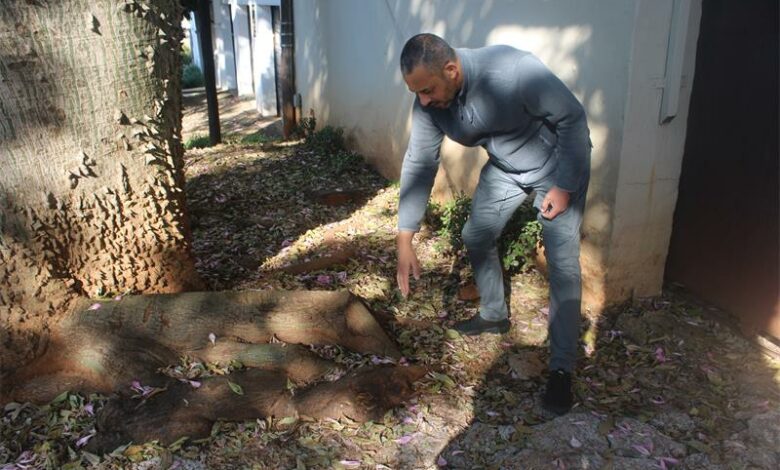
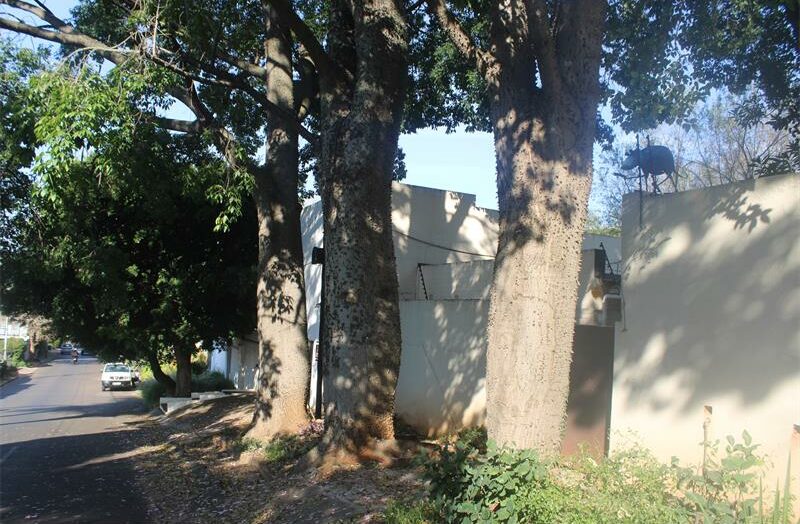
The planned removal of four large Kapok trees on 5th Avenue in Melville has highlighted a growing challenge facing the city’s older suburbs – ageing urban trees colliding with ageing infrastructure.
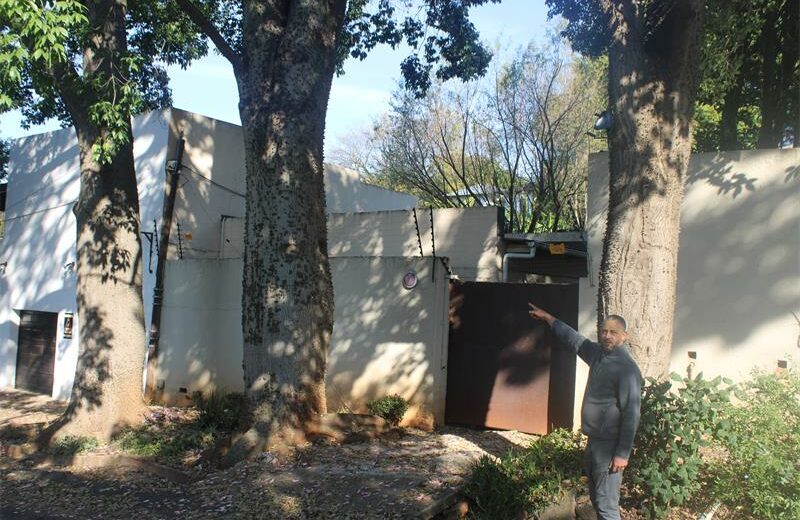
While the towering trees have long formed part of Melville’s leafy identifty, years of unchecked root growth, falling branches, and damage to roads, walls, and underground infrastructure have now forced Johannesburg City Parks and Zoo (JCPZ) to intervene before more serious incidents occur.
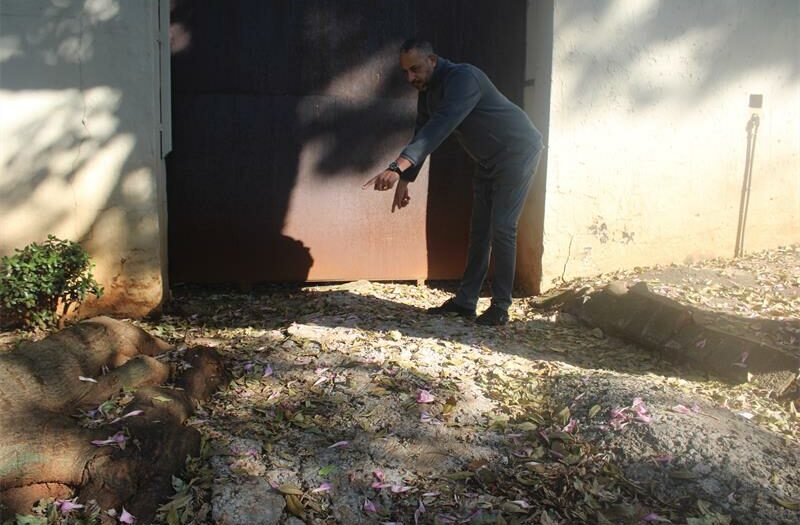
According to JCPZ regional manager Alton Rankin, the trees were found to be causing severe pavement upliftment, damage to underground infrastructure, obstruction of property access, and structural damage within a nearby property. “The roots had reportedly affected flooring and building structures, while dead branches were falling from the canopy, posing an ongoing hazard to residents, vehicles, and pedestrians.”
Read more: City Parks acts on Kapok trees becoming a thorn in Melvilles side
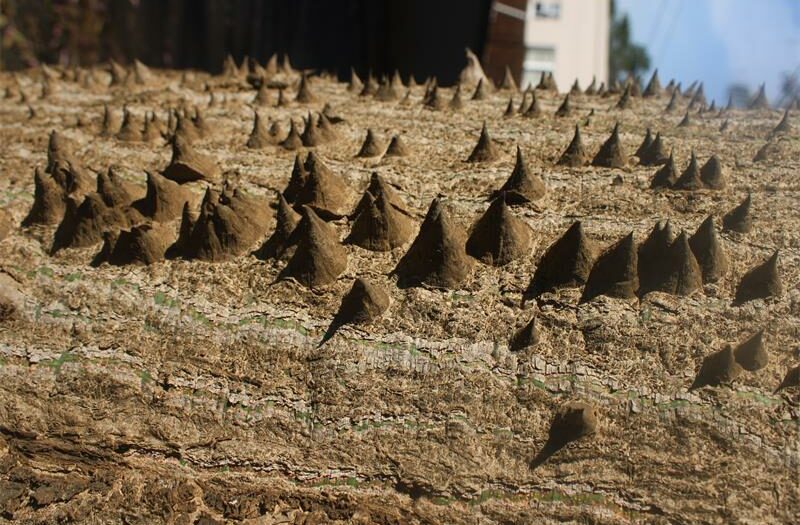
The homeowner first approached JCPZ in February, after warning that the trees posed a danger to the property, tenants, and surrounding community. Since then, technical assessments have identified multiple risk factors, including structural instability, dead wood, aggressive root systems, and the trees’ unsuitability for confined pavement spaces.
Danny Nunes, of the Melville Security Initiative, said the concerns surrounding the Kapok trees had been building for five years. He warned that ageing trees remain a wider concern across the suburb, particularly where branches are dying, trees are leaning, or power lines are being affected. Nunes said the intervention should not be viewed as an attack on trees, but rather an attempt by JCPZ to prevent further infrastructure damage and reduce public safety risks.
Also read: Fallen tree crushes car on Beyers Naudé Drive after heavy rains
Beyond a single property dispute, the issue reflects a broader urban problem, increasingly affecting older Johannesburg suburbs, where mature trees and outdated infrastructure now compete for limited underground space. Rankin explained that certain historic tree species, planted decades ago, are no longer ideal for narrow pavements and dense service corridors. “In many older suburbs, such as Melville, some species perform better in larger open spaces, rather than narrow road reserves or pavements where underground infrastructure and confined root zones create long-term challenges.”
Rankin added that climate change and increasingly unpredictable weather conditions are also intensifying the pressure on the city’s urban forest. “Stronger storms, prolonged rainfall, drought stress, and high winds are accelerating tree decline and increasing the likelihood of falling branches and uprooted trees.”
Although some residents objected to the removals, Rankin noted that public safety remained the primary concern. Rankin met with residents directly to explain the technical reasons behind the decision, while balancing environmental considerations with infrastructure protection.
The four trees are expected to be removed this week, subject to weather and logistical conditions. City Parks said replacement planting with more suitable species may be considered in future, as part of broader urban forestry planning aimed at preventing similar conflicts between nature and infrastructure in Johannesburg’s ageing suburbs.
Follow us on our Whatsapp channel, Facebook, X, Instagram, and TikTok for the latest updates and inspiration!